ONS data shows UK borrowing falls to £16bn in June, easing fiscal pressure for new government
Year-to-date borrowing remains above Office for Budget Responsibility forecasts, with economists warning of limited headroom amid rising debt burdens and market sensitivity.

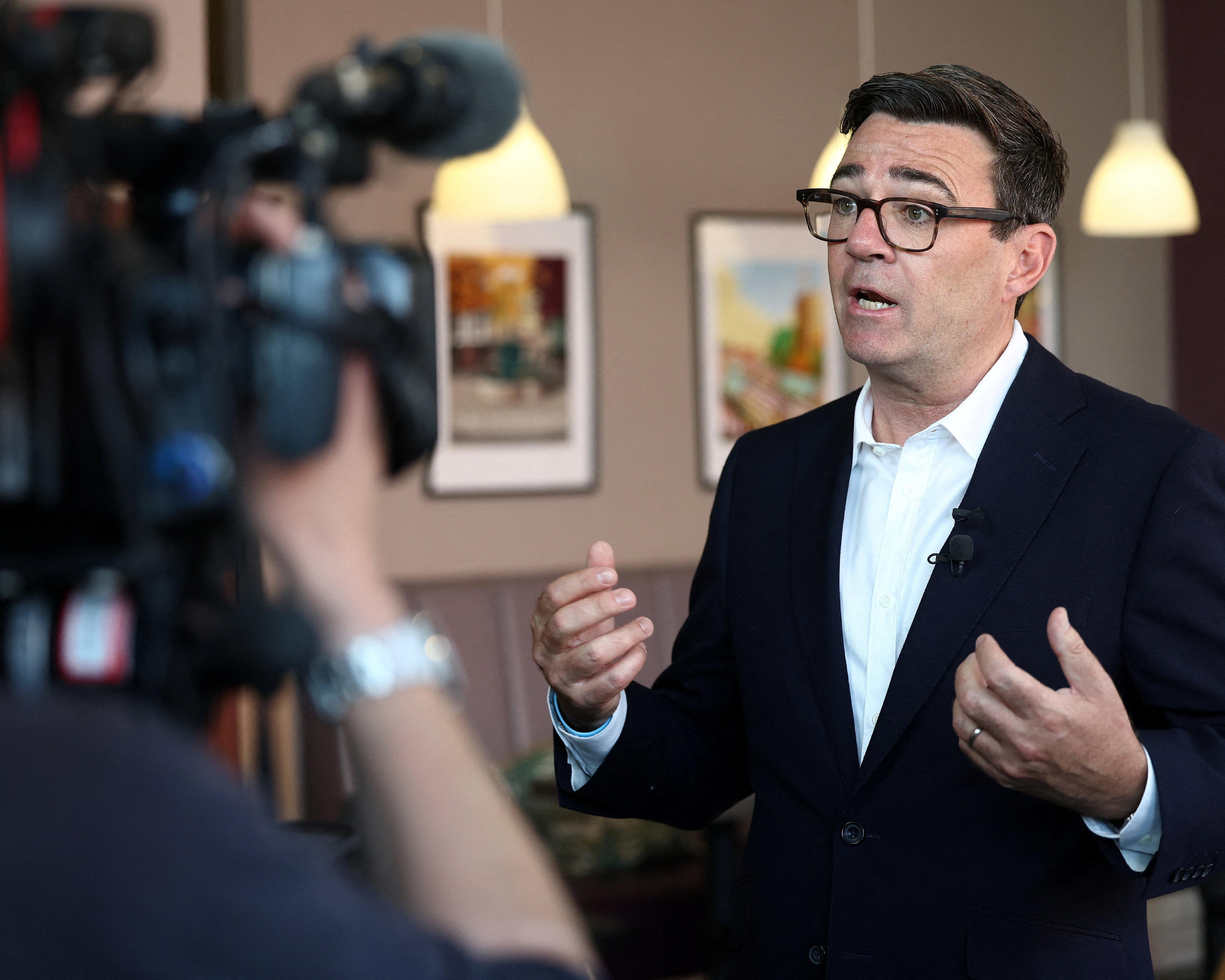
The UK government’s public sector net borrowing fell to £16bn in June, a figure lower than expected and £7.9bn less than in the same month last year, according to data released by the Office for National Statistics. The reduction was largely attributed to lower inflation-linked debt interest costs, which reached £11.8bn, down £5.3bn from the previous year. While the monthly decline provided a positive backdrop for Prime Minister Andy Burnham and Chancellor John Healey, year-to-date borrowing for the financial year stands at £57.6bn, remaining £2.7bn above the Office for Budget Responsibility forecast.
The new administration has utilised the data to bolster its fiscal strategy, which includes cutting VAT on household electricity bills from 1 October. Chancellor Healey confirmed that the measure would be funded this year by the cancellation of the digital ID programme. Healey stated that he and Burnham had agreed to work in lockstep to meet fiscal rules while addressing the cost of living, emphasising that fiscal credibility is the bedrock for economic stability and national security.
Despite the lower monthly borrowing, economists warn of limited fiscal headroom amid rising debt burdens and market sensitivity. Nabil Taleb, an economist at PwC UK, noted that with borrowing costs still sensitive, even modest commitments can carry significant consequences. He questioned whether the government’s ambition is matched by credible funding and a convincing grip on borrowing, highlighting the strain on public finances as spending pressures loom.
Global bond markets have shown jitters regarding the new government's tax and spending plans, leading to rising borrowing costs. Investors are fretting over whether Burnham will pursue a radically different path to his predecessor, Keir Starmer. Although Burnham has committed to sticking to Labour’s fiscal rules and manifesto tax promises, he has hinted at using flexibility within fiscal rules to bolster public investment, a comment interpreted by some investors as a signal for potentially higher borrowing.
The UK economy has shown signs of resilience in recent months despite concerns over the impact of higher energy prices linked to the Iran war. However, the latest snapshot from the ONS indicates that debt interest payments in June, while lower than the previous year, remain the fourth highest on record. Ruth Gregory, deputy chief UK economist at Capital Economics, described June’s public finances as a rare piece of good news but cautioned that with the UK’s debt burden still rising, there is limited scope for extra public borrowing.