Oklahoma leadership signals shift toward collective bargaining amid SEC sustainability concerns
As Oklahoma prepares for a demanding SEC schedule, the program’s new administration is questioning the long-term viability of the current college athletics model, advocating for collective bargaining as a solution to rising roster costs.
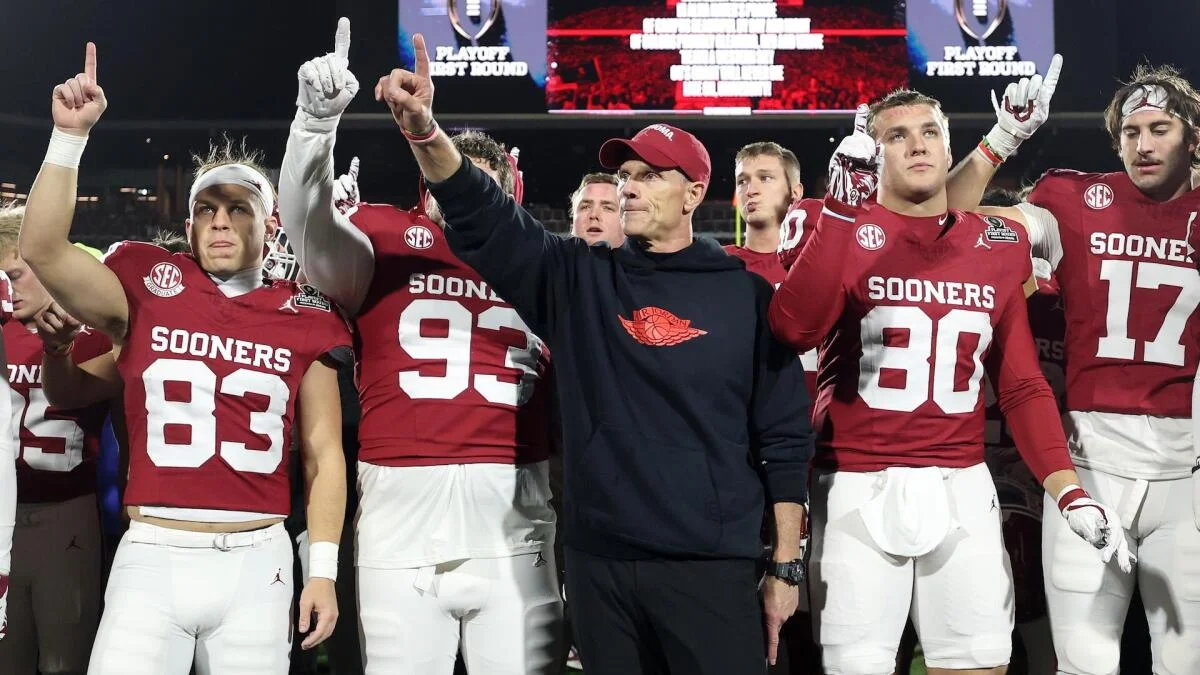
Oklahoma head coach Brent Venables and new athletic director Roger Denny presented a coordinated front at SEC media days in Tampa, addressing both the Sooners’ on-field trajectory and the broader financial sustainability of college athletics. Venables, who returned to the College Football Playoff last season after a difficult debut campaign, acknowledged the necessity for offensive improvements following quarterback John Mateer’s injury, while Denny, Oklahoma’s first athletic director without prior experience in the role, questioned the long-term viability of the existing system.
Venables highlighted the team’s return to the College Football Playoff last season, driven by a dominant defence that allowed 15.5 points per game. However, he noted the need for offensive improvement following quarterback John Mateer's injury, which fundamentally altered the team's capabilities late in the season. Mateer, who suffered a thumb injury that affected his ability to grip the ball, threw as many interceptions as touchdowns in the final eight games of the previous season. Venables emphasised that the team must become a more aggressive and physical offensive unit to complement their defensive strength.
Denny, a corporate tax attorney with expertise in labour law and mergers, discussed the financial sustainability of the current model, advocating for collective bargaining as a solution to rising roster costs. He noted that while Oklahoma benefits from strong fan and donor support, the current rates of spending are not sustainable indefinitely. Denny argued that collective bargaining offers an enforceable path to cost certainty, distinct from legislative efforts such as the SCORE Act, which collapsed in June.
The athletic director warned that removing spending caps without proper governance could erode the competitive balance that drives the billion-dollar media deals funding these budgets. Venables echoed these concerns, referencing the NFL’s model of parity and constraints, and stating that the current system allowing blue-blood programs to utilise significantly larger NIL budgets is not sustainable for college football as a whole.
Both leaders stressed the importance of unity within the program. Venables praised Denny’s understanding of the locker room culture and his strategic foresight, while Denny affirmed full support for Venables despite the recent change in athletic leadership. With a challenging schedule ahead, including early-season games against Michigan and Georgia, the Sooners aim to elevate their middle roster and address offensive deficiencies to remain a legitimate SEC contender.