Oklahoma homes contaminated by oil field wastewater as regulator faces scrutiny
A ProPublica and The Frontier report details how high-pressure injection of drilling waste is spreading belowground, affecting drinking water and property across the state.
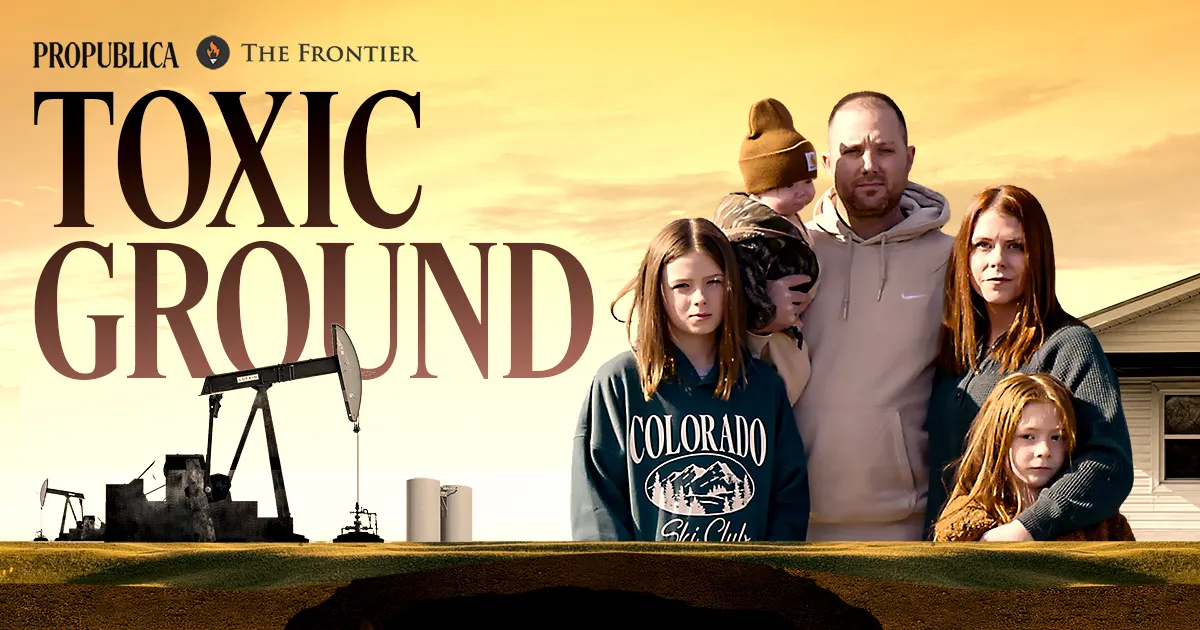
Kara Meredith was at her Fort Gibson home on 23 August 2025, caring for her five-week-old son, when she discovered water covering the bathroom floor. Her husband, Mitch Meredith, initially dismissed the incident until he observed a dark liquid bubbling up around the base of the bathtub. Family members worked through the night to contain the substance, with an uncle identifying the fluid as oil near dawn.
The contamination stems from the disposal methods used by the energy sector in the United States, the world’s largest oil and gas producer. Energy companies have historically managed hundreds of billions of gallons of toxic wastewater annually by injecting brine underground via high-pressure wells. In Oklahoma, this fluid is reportedly spreading uncontrollably beneath the surface, escaping through old, unplugged wells and polluting land and drinking water supplies.
A joint investigation by ProPublica and The Frontier, reported by Nick Bowlin, highlights the scale of the issue. The reporting indicates that approximately half of Oklahomans reside within a mile of an oil and gas operation. The investigation, which includes a documentary format, examines how this wastewater is seeping into the daily lives of residents and damaging properties across the state.
The Oklahoma Corporation Commission, the state agency responsible for regulating the oil and gas industry, has come under scrutiny regarding its oversight of these practices. In response to the growing concerns, the commission stated it is committed to doing the right thing, holding operators accountable, protecting Oklahoma and its resources, and providing fair and balanced regulation.
Previous reporting by ProPublica has documented similar instances of oil and gas pollution contaminating drinking water, killing cattle, and causing property damage in the region. The current investigation underscores the ongoing challenges faced by communities living in close proximity to extraction activities and the regulatory mechanisms intended to manage them.