Okinawa marks 81st anniversary of Battle of Okinawa on Memorial Day
As the region commemorates the human cost of the 1945 conflict, officials and residents renew prayers for peace amid ongoing strategic debates.
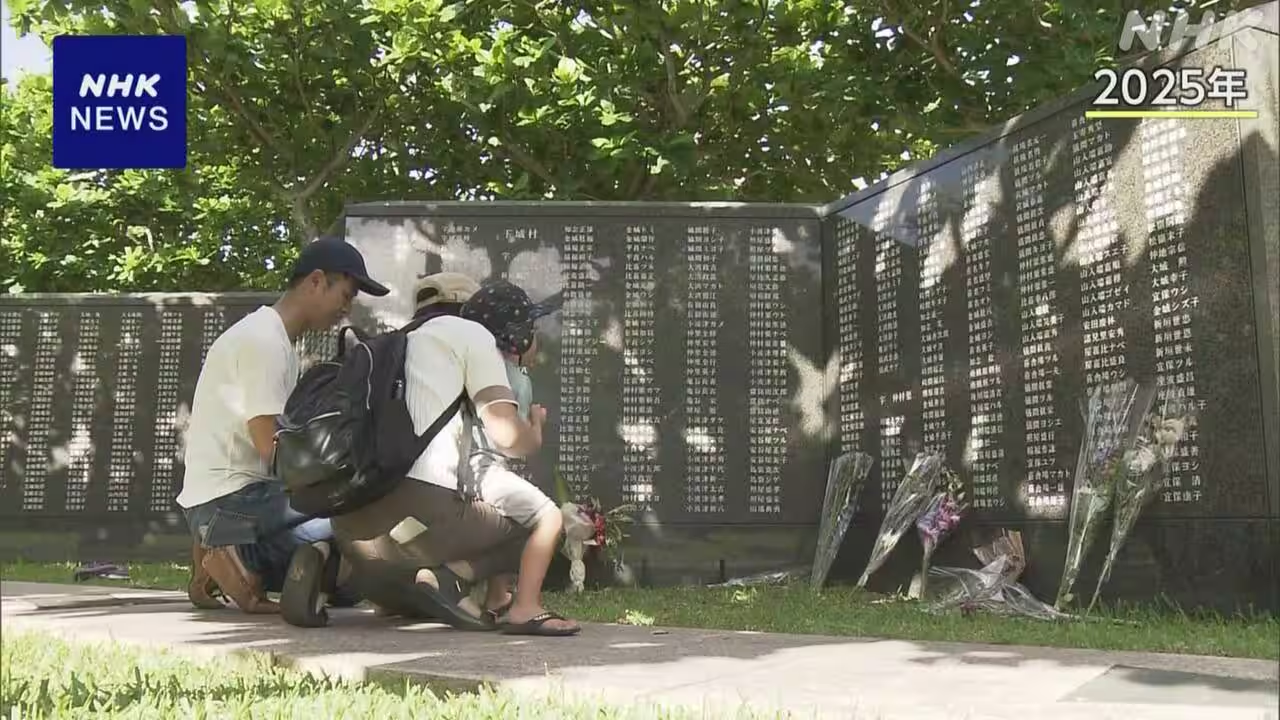
Okinawa observed the 81st anniversary of the Battle of Okinawa on Memorial Day, June 23, 2026, dedicating the occasion to mourning the more than 200,000 individuals who perished during the intense ground warfare of the Pacific War’s final stages. The commemoration, which heavily involved civilians, serves as a solemn reminder of the conflict’s devastating impact on the local population and a renewed call for peace.
According to NHK News Japan, the day is formally designated to honour the war dead and reaffirm commitments to pacifism. The Battle of Okinawa, fought in the closing months of World War II, is remembered for its ferocity and the significant loss of life among both military personnel and Okinawan residents. The figure of over 200,000 deaths cited by the broadcaster reflects the widely accepted estimate of the human toll associated with the battle.
The observance underscores the enduring legacy of the conflict in Okinawan society and governance. Memorial Day functions as an annual institution for reflection, allowing the community to process the historical trauma of a war that directly involved local residents in its most brutal phases. The event highlights the persistent need to address the historical narratives surrounding the Pacific War and their contemporary political implications.
While the focus remains on the historical commemoration, the region’s strategic position continues to influence policy discussions. Okinawa’s role in regional security dynamics remains a critical topic, often intersecting with debates on military presence and local autonomy. The anniversary serves as a focal point for these ongoing institutional conversations, balancing remembrance with current geopolitical realities.
The 2026 observance occurs against a backdrop of broader regional events, including recent weather advisories issued by the Japan Meteorological Agency. However, the Memorial Day events are distinct from unrelated natural disaster responses, such as the tsunami advisory issued earlier in June following a magnitude 8.2 earthquake. The separation of these events highlights the diverse challenges facing the prefecture, from historical memory to immediate environmental concerns.
As Okinawa marks this significant milestone, the emphasis remains on the collective memory of the war dead and the aspiration for lasting peace. The annual ritual reinforces the importance of historical awareness in shaping future policy and diplomatic relations. The commemoration stands as a testament to the resilience of the Okinawan people and their continued commitment to resolving conflicts through peaceful means.
The 81st anniversary of the Battle of Okinawa thus serves not only as a historical marker but as a contemporary political statement. It reflects the ongoing dialogue between local governance, national policy, and international relations. The day’s activities, centred on mourning and prayer, provide a structured opportunity for the community to engage with its past and project its hopes for the future.