Oil traders warn of critical shortage as Hormuz closure depletes strategic reserves
The renewed closure of the Strait of Hormuz has triggered warnings from market participants that global oil supplies are nearing a critical deficit, with strategic buffers significantly diminished.
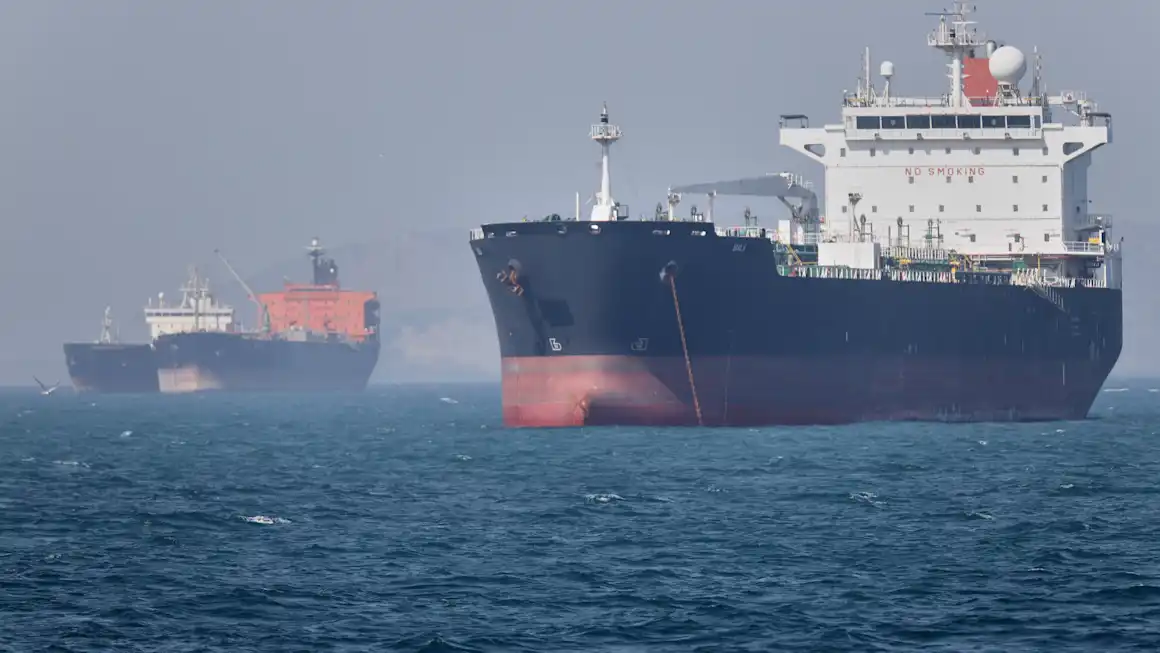
Oil traders are warning that the global energy market is approaching a critical shortage following the renewed closure of the Strait of Hormuz. According to a report by the Financial Times, the key maritime chokepoint has shut once more, exacerbating supply concerns in an already strained market.
The situation is particularly acute because strategic stockpiles, which previously served as vital shock absorbers at the onset of the Iran war, are now reported to be running low. This depletion of reserves suggests that the market has lost a significant buffer against supply disruptions, leaving it more vulnerable to further geopolitical shocks.
The current crisis follows a period of heightened tension, including the shooting down of a US helicopter by Iran, which prompted vows of response from President Trump. These events have contributed to a volatile environment where the security of energy transit routes remains a primary concern for global markets.
Geopolitical efforts to stabilise the region included a recent Beijing summit, attended by US business leaders such as Elon Musk, Tim Cook, and Jensen Huang. Discussions at the summit, which marked the first visit by an American president to China since 2017, covered trade, artificial intelligence, and the security of the Strait of Hormuz.
Meanwhile, Iran’s domestic economic climate remains fraught with hyperinflation and military uncertainty, factors that continue to influence the broader geopolitical landscape. As strategic reserves dwindle and the Hormuz closure persists, the market faces the prospect of tighter supplies and increased volatility.