Oil prices slip as markets brace for new US sanctions on Iran
Crude oil values declined on Monday as investors awaited the specifics of a new US sanctions campaign against Iran, described by Washington as its toughest ever.
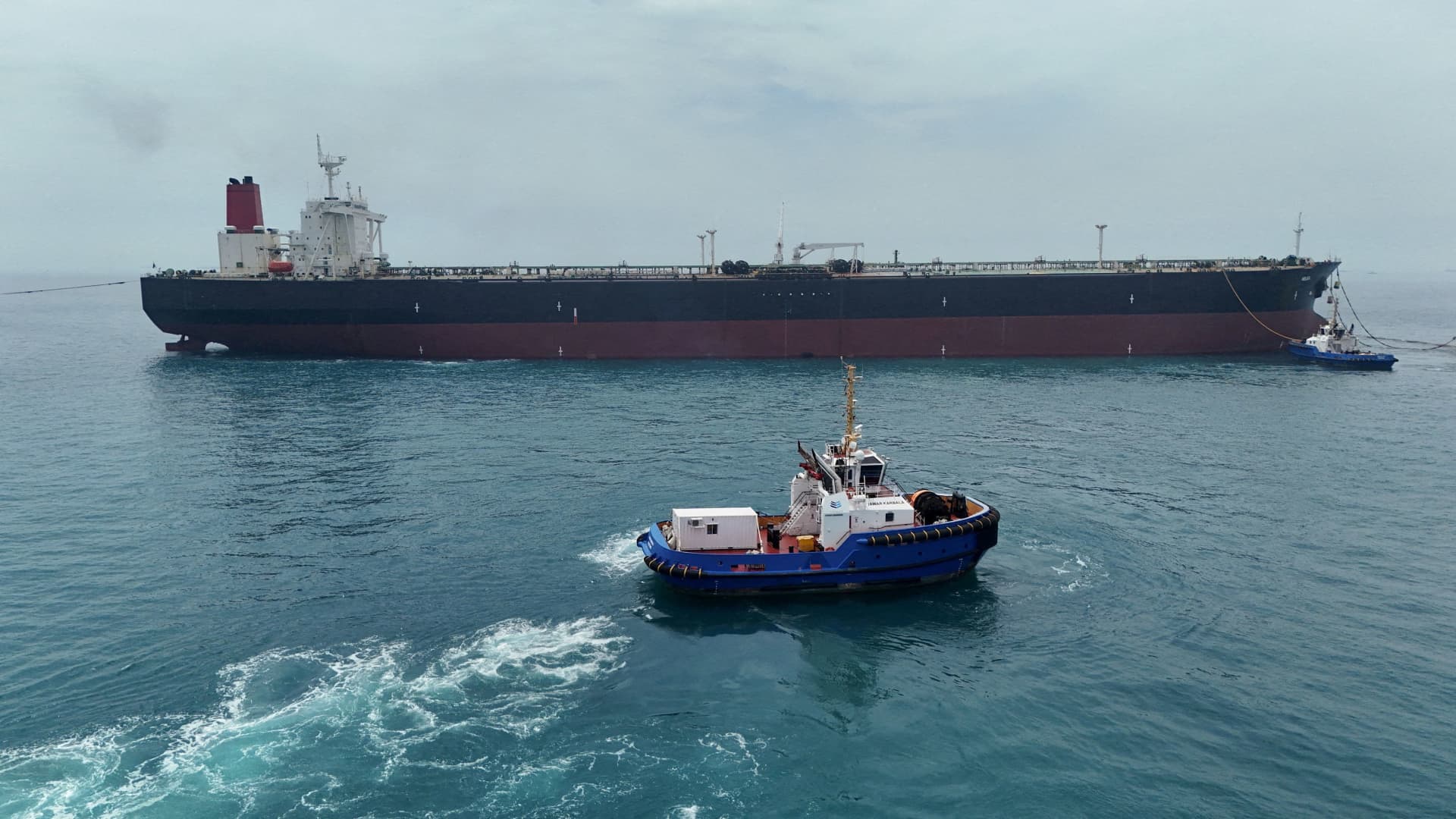
Oil prices fell on Monday as market participants awaited details of a new sanctions campaign against Iran. The move comes as investors assess the potential impact on global supply chains following a period of heightened geopolitical tension in the Middle East.
Washington has characterised the upcoming measures as its "toughest-ever" sanctions campaign against the Iranian economy. However, the specific scope and details of these new restrictions have not yet been fully released, leaving a degree of uncertainty in the market.
This price action follows a recent period in which oil values rose due to fears of supply disruptions. Those earlier increases were driven by deadly attacks on vessels in the Gulf of Oman and the Red Sea, which heightened concerns over the stability of key shipping routes.
Complicating the landscape further is an ongoing oil spill near Oman, which continues to worsen. Response efforts have been hindered by a lack of clarity regarding the vessel’s origin and the cause of the breach, adding another layer of complexity to the region's energy outlook.
The current market movement reflects a cautious stance among investors who are weighing the immediate geopolitical risks against the potential long-term effects of the new US policy. As the details of the sanctions are expected to be unveiled, the focus remains on how these measures will influence Iran’s ability to export crude.
According to reporting from CNBC, the primary driver for Monday’s decline was the anticipation of these new US measures. The market is now waiting for concrete data to determine whether the sanctions will significantly curtail Iranian oil flows or if the impact will be more gradual.