Oil prices rise as US strikes Iran following helicopter incident
Strait of Hormuz shipping concerns mount after US President Donald Trump vows retaliation for Apache helicopter attack.
Oil prices have increased following the United States' launch of military strikes against Iran, according to a report by CNBC. The escalation in hostilities has triggered immediate market reactions, with investors weighing the potential impact on global energy supplies.
The military action was precipitated by an incident involving a US Army AH-64 Apache helicopter over the Strait of Hormuz. US President Donald Trump has accused Iran of shooting down the aircraft and has vowed retaliation, marking a significant shift in regional dynamics.
This development represents a sharp escalation in military tensions, occurring shortly after indications that negotiations to end Middle East conflicts were underway. The timing suggests a sudden breakdown in diplomatic efforts, replacing potential de-escalation with direct military confrontation.
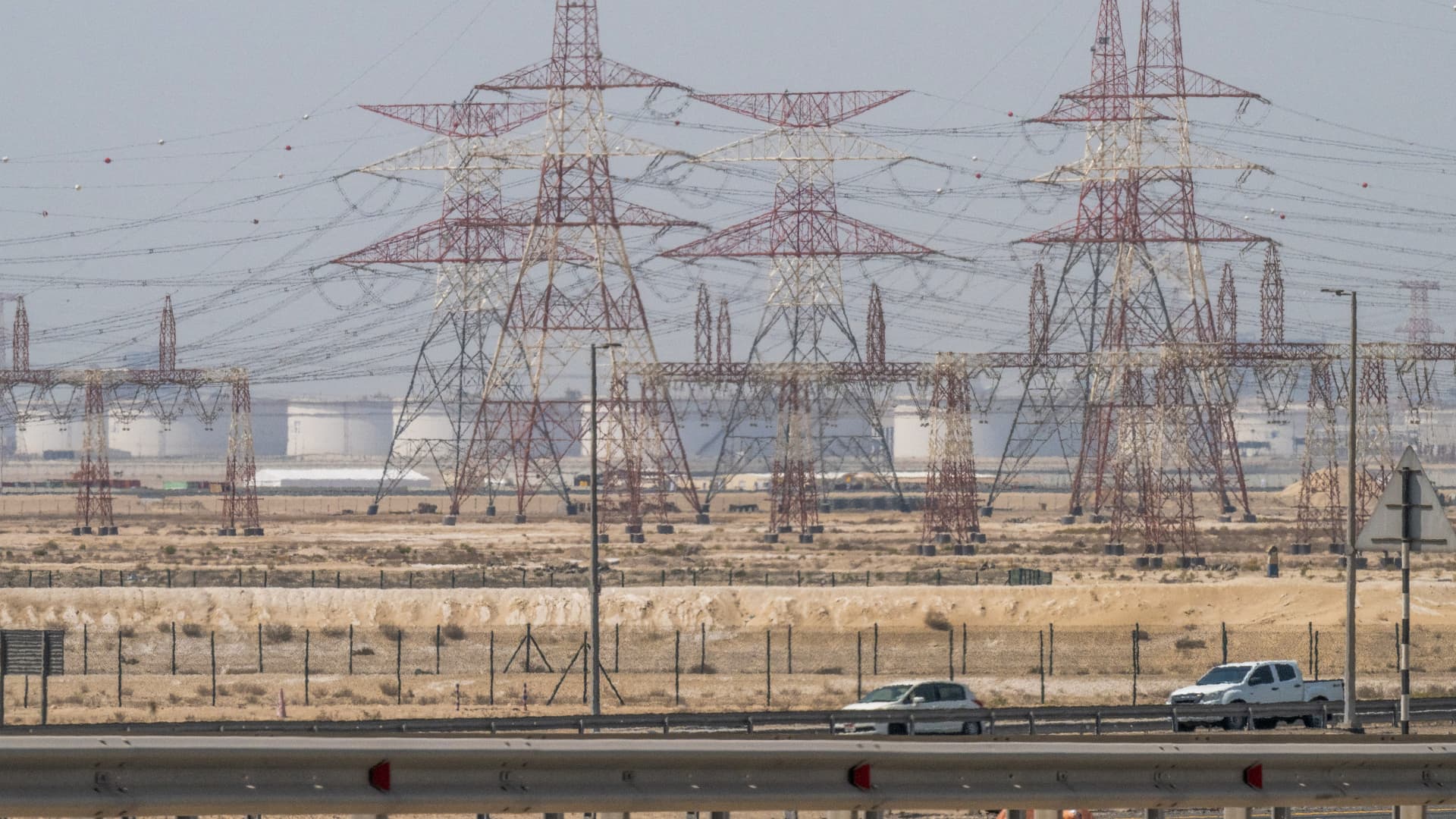
Market participants are now focused on the Strait of Hormuz, a critical chokepoint for global oil shipping. There are growing concerns that renewed clashes between the US and Iran could threaten navigation through the strait, potentially disrupting the flow of crude oil and refined products to international markets.
The rise in oil prices reflects the immediate risk premium being priced in by traders. As the situation develops, the stability of energy logistics in the Persian Gulf remains a primary variable for financial markets and institutional investors monitoring commodity exposures.