Oil prices rise as Iran warns of retaliation against US infrastructure
Brent and WTI crude gained on Friday as investors assessed escalating tensions between the United States and Iran, following warnings that Tehran would retaliate if critical infrastructure is targeted.
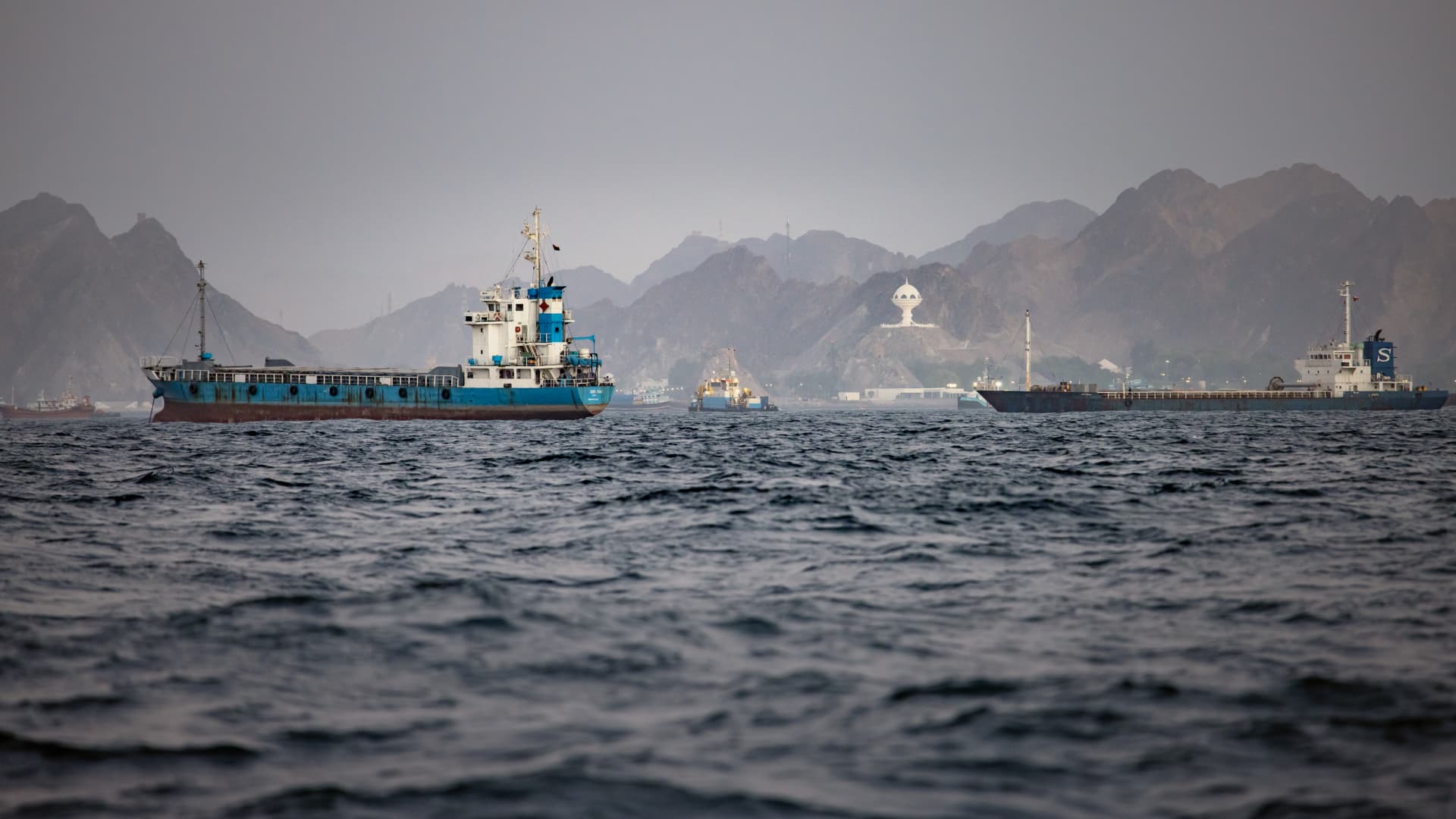
Oil prices rose on Friday as investors weighed escalating threats between the United States and Iran, according to reporting from CNBC. The increase in crude benchmarks followed warnings from Iran that it would retaliate if the Trump administration targeted the country's critical infrastructure.
The market reaction comes against the backdrop of a widened US military campaign. The United States has launched a second wave of strikes on Iranian infrastructure, including an airport in Iranshahr, the Bandar Abbas Railway Junction Station, and bridges near the Strait of Hormuz. These attacks represent a significant escalation, with strikes reaching the vicinity of Tehran for the first time.
Prior to this escalation, markets had experienced a drop in oil prices as investors reacted to reports that the United States and Iran were nearing an interim peace deal to reopen the Strait of Hormuz. The current rise in prices signals a shift in sentiment as the potential for de-escalation recedes and military operations intensify.
Iranian state media confirmed that overnight attacks hit key infrastructure in the south. The targeting of facilities such as the Bandar Abbas Railway Junction Station and bridges near the Strait of Hormuz has raised concerns about the potential impact on global supply chains and throughput in one of the world's most critical energy chokepoints.
While the specific nature and timing of Iran's retaliatory actions remain unconfirmed, the threats have prompted a reassessment of risk among investors. The market is now pricing in the possibility of prolonged instability in the region, which could have lasting implications for energy markets and broader economic conditions.