Oil prices retreat to pre-war lows as Gulf supply normalises
Brent crude and WTI settle at their lowest since late February, driven by an initial accord ending the US-Israeli war with Iran and the resumption of maritime traffic.
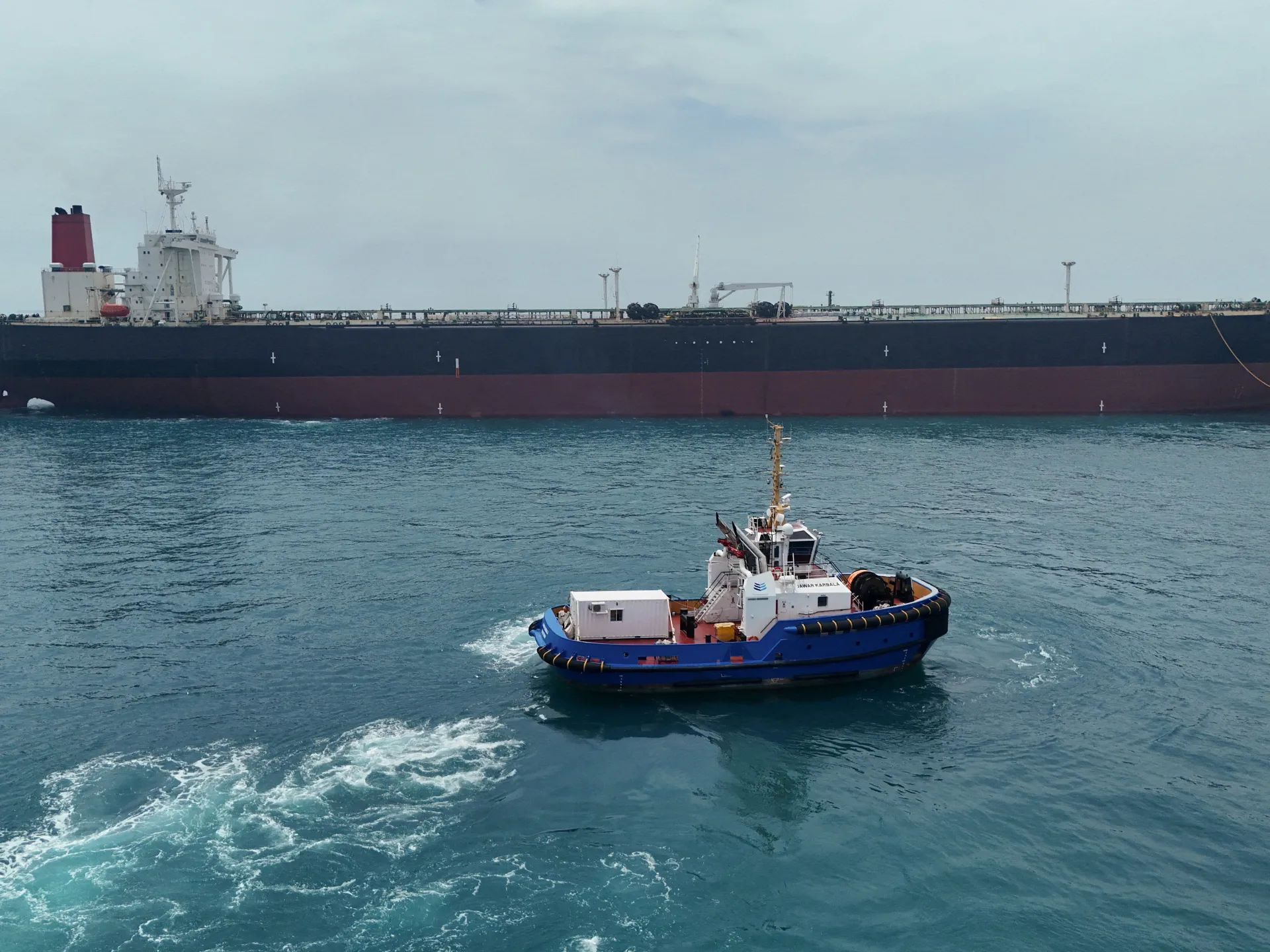
Oil prices have fallen to their lowest levels since late February 2026, prior to the commencement of the Iran war, as expectations of rising Middle Eastern supply outweigh ongoing demand concerns. Brent crude futures for August delivery dropped 1.44 per cent to $72.68 a barrel, while US West Texas Intermediate (WTI) lost 1.08 per cent to $72.68 a barrel. Both benchmarks hit their lowest points since February 27, with August Brent trading lower than September contracts at $73.59, a market structure signalling ample short-term supply.
The decline follows an initial accord to end the US-Israeli war with Iran, which has facilitated the resumption of traffic through the Strait of Hormuz. US Energy Secretary Chris Wright stated that flows through the strait have returned to near pre-war levels, with at least 20 million barrels exiting the waterway in the past 24 hours. Wright noted that while traffic is near normal, full normality may take several weeks due to the necessity of clearing mines from the channel.
Wright asserted that oil would continue to flow through the strait even if the current peace deal does not hold, arguing that Iran would not be able to close the waterway again. The accord established a 60-day period of negotiations to address more complex issues, including Iran’s nuclear programme. Concurrently, Iran is set to boost oil sales following a temporary reprieve from US sanctions, further contributing to the downward pressure on physical crude oil cargoes globally.
Diplomatic efforts to stabilise the region are intensifying, with US Secretary of State Marco Rubio arriving in Bahrain for a Gulf Cooperation Council meeting. Rubio is expected to pledge security guarantees to Gulf allies, a move aimed at reassuring regional partners as the United States seeks backing for the Iran peace deal. The diplomatic push comes against a backdrop of severe disruption to regional trade, where an Iranian blockade previously cut off crucial oil and gas shipments.
Despite the easing of immediate supply fears, security tensions persist. Iran’s Revolutionary Guards have warned against unauthorised crossings of the Strait of Hormuz, stating that vessels not complying with authorisation will be dealt with. Tehran plans to impose maritime service fees on transit, a move the United States opposes on the grounds that the strait is an international waterway where tolls should not be charged. In response to the instability, Oman has opened temporary routes to facilitate tanker departures in coordination with the International Maritime Organization.