Oil prices retreat as Trump tempers expectations on Iran peace deal
Mixed signals from the White House regarding negotiations with Tehran have stabilised energy markets, though analysts warn that restoring global supply chains will take months.
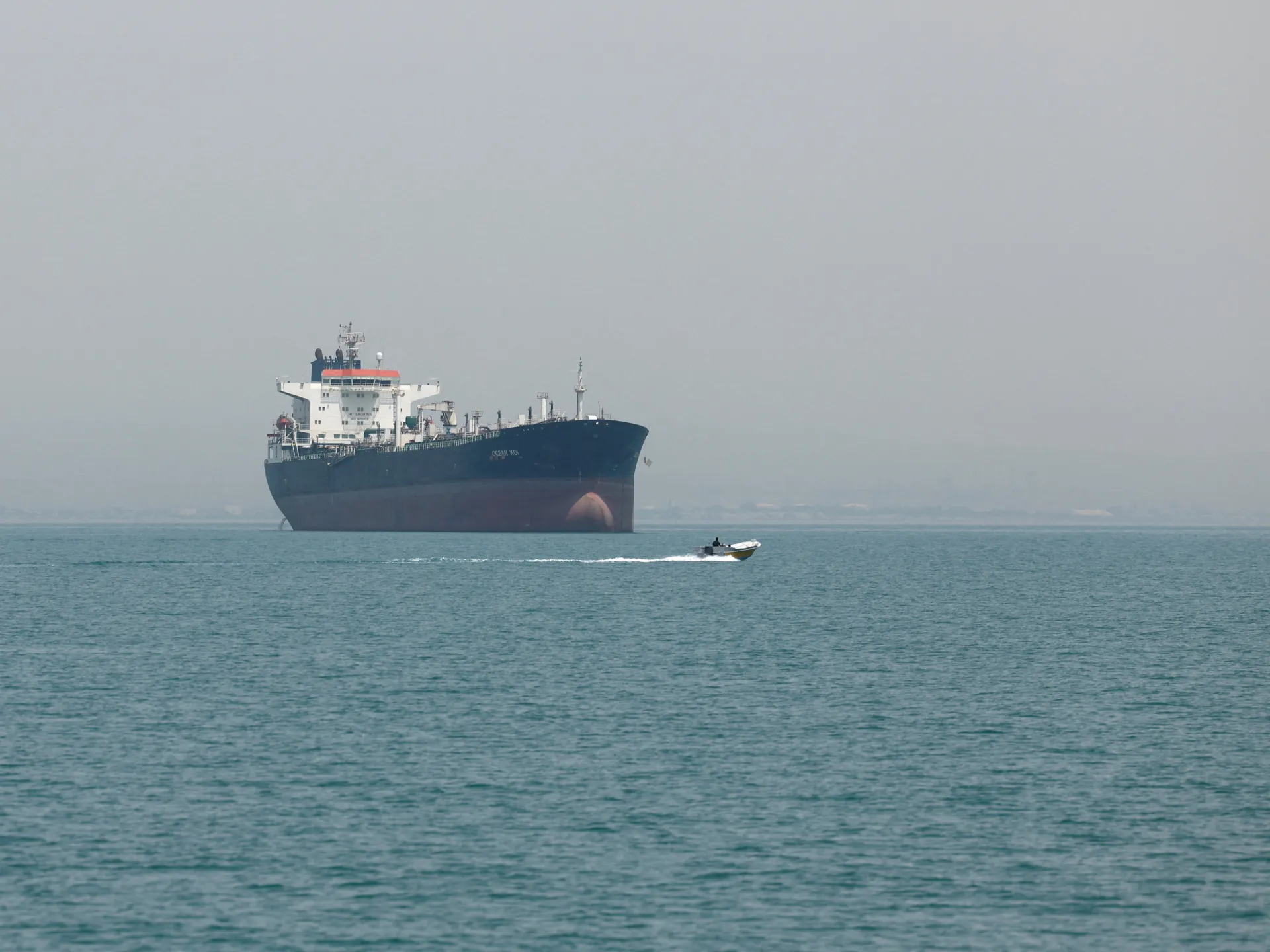
Oil prices dropped sharply on Sunday, with Brent crude falling approximately 5 per cent to $98.47 a barrel, as US President Donald Trump issued mixed signals regarding a potential peace deal to end the US-Israel war on Iran. While Trump stated that negotiations with Tehran were proceeding in an “orderly and constructive manner,” he instructed officials not to rush into an agreement, contradicting earlier remarks where he suggested a deal had been “largely negotiated.”
The US blockade of Iranian ports remains in effect until an agreement is reached, certified, and signed, according to Trump’s post on Truth Social. “Both sides must take their time and get it right. There can be no mistakes!” Trump wrote, signalling a cautious approach to the diplomatic process despite the market’s eagerness for a resolution to the conflict that has disrupted global energy transit.
Concurrently, Japan’s Nikkei 225 index surged more than 3 per cent to a record high, surpassing the 64,000 mark on Monday, 25 May 2026. The rally occurred during holiday-thinned trading volumes and was driven by investor hopes that the conflict would conclude and the Strait of Hormuz would reopen. The index had already closed at a record peak on Friday following initial reports of constructive talks.
Despite the market relief, analysts cautioned that the return to normalcy would be gradual. June Goh, a senior oil market analyst at Sparta in Singapore, noted that while a deal could release up to 100 million barrels of crude from stranded ships, it may take three to six months to restore production and refineries to status quo. “Fundamentally, there is no change to the underlying picture, where 10-11 million barrels per day of crude oil continue to be shut-in for every day the Strait of Hormuz remains shut,” Goh told Al Jazeera.
Iran has effectively blockaded the Strait of Hormuz since late February 2026, disrupting about one-fifth of global oil trade, while the US has imposed a blockade of Iranian ports since mid-April. Although Brent crude has fallen 9 per cent from a month ago, prices remain over a third higher than pre-war levels, reflecting the persistent structural risks in the region’s energy infrastructure.