Oil prices dip as US and Iran manage expectations on potential deal
Washington and Tehran navigate a three-month conflict with domestic pressures mounting, while regional Gulf states remain divided over the path forward.
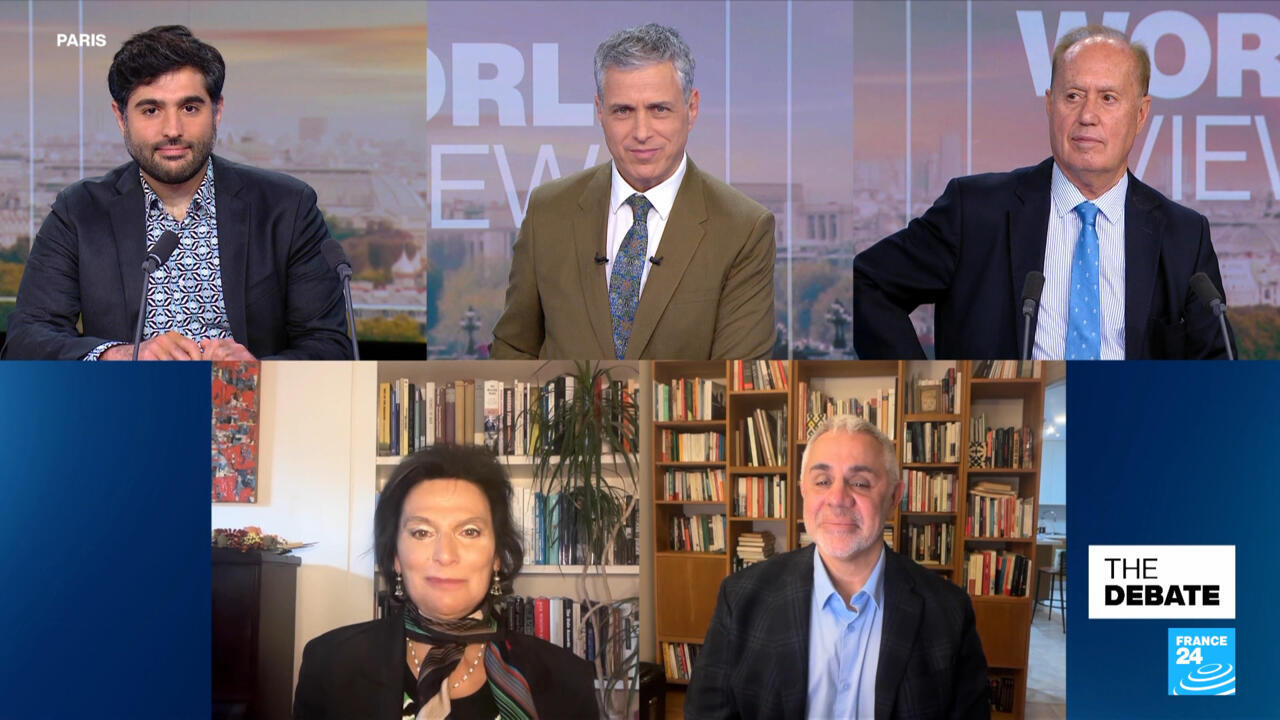
Brent crude oil prices have fallen below $100 a barrel for the first time in two weeks, a shift attributed to recent messaging from US President Donald Trump regarding ongoing negotiations with Iran. The dip in global energy costs comes as the conflict between the two nations, originally projected to last four weeks, has now extended to three months. Both Washington and Tehran are currently managing expectations regarding the possibility of a final agreement or a memorandum of understanding.
The diplomatic landscape remains fragile, particularly following military actions taken on Monday. US forces conducted strikes on missile sites and vessels in southern Iran, citing self-defence against threats from Iranian forces. These attacks occurred as Iranian negotiators arrived in Doha for high-stakes talks aimed at resolving the three-month-long conflict. The strikes pose a direct threat to a ceasefire that began on 8 April, raising questions about the stability of the current pause in hostilities.
Domestic political pressures are significantly influencing the strategic calculus for both sides. In the United States, President Trump faces mounting inflation ahead of the November midterm elections, which threatens to erode the political benefits of recent tax breaks. Additionally, the US is preparing to host the World Cup in less than three weeks, adding another layer of complexity to the administration’s foreign policy objectives.
Iran, meanwhile, contends with what has been described as severe economic difficulties, or "economic ruin." This internal pressure contrasts with the US situation, prompting analysis on which side may be more likely to concede first in the negotiations. The intersection of economic survival and political survival continues to drive the urgency of the diplomatic efforts in Doha.
Regionally, Gulf states remain divided on the approach to the conflict. The United Arab Emirates has aligned closer to Israel, adopting a hawkish stance, while Oman, another frontline state near the Strait of Hormuz, has taken a more conciliatory approach. This split highlights the broader geopolitical challenges surrounding the world's biggest choke point for oil and gas, as the region navigates the potential for a deal, a return to war, or a permanent state of limbo.