Oil markets retreat as US and Iran negotiate peace deal terms
Asian equities rally while analysts warn structural supply constraints will keep markets tight through 2027.
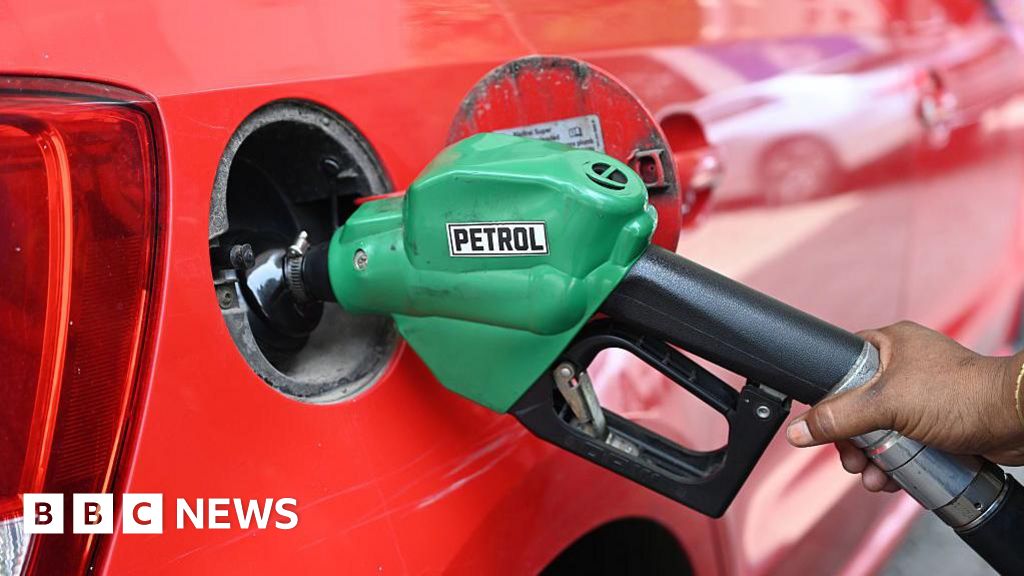
Global energy markets experienced a sharp correction on Monday following reports that the United States and Iran have largely negotiated a peace agreement to end the conflict that began on 28 February. US President Donald Trump confirmed that an accord with Tehran was in advanced stages, stating that the agreement would include the reopening of the Strait of Hormuz, a critical shipping route that has been effectively closed since the onset of hostilities.
The prospect of restored access to the narrow waterway, through which approximately one-fifth of the world’s oil and liquefied natural gas typically passes, triggered a significant rally in Asian equity markets. Japan’s Nikkei 225 index surged by 2.9%, surpassing the 65,000 mark for the first time. The gain reflects investor optimism regarding the resolution of the conflict, which has severely impacted energy-dependent economies in the region, including Japan and South Korea.
In commodity markets, the global benchmark Brent crude fell by 5.5% to $97.90, while US-traded crude dropped 5.8% to $90.99. Despite the immediate price relief, the levels remain substantially higher than pre-war benchmarks, where Brent was trading around $70 a barrel. The decline follows a period of extreme volatility after Iran threatened to attack commercial shipping in retaliation for US and Israeli strikes on Iranian territory and allied Gulf states.
President Trump urged caution in the finalisation of the deal, instructing his negotiating team not to rush the process. “Both sides must take their time and get it right. There can be no mistakes,” Trump stated on social media, contradicting earlier remarks that suggested an imminent announcement. He also reported positive discussions with leaders from Saudi Arabia, the United Arab Emirates, and Qatar, as well as Israeli Prime Minister Benjamin Netanyahu, regarding a memorandum of understanding pertaining to peace.
However, Iranian officials maintained a cautious stance, with foreign ministry spokesman Esmaeil Baqaei noting that while positions were converging, key issues remained unresolved. He accused the US of making contradictory statements, highlighting the fragility of the diplomatic progress. Analysts emphasise that even if a deal is finalised, the restoration of normal oil flows will be gradual.
Saul Kavonic, head of energy research at MST Financial, noted that while there is near-term price relief, structural deficits persist. He warned that oil markets are expected to remain tight through 2027 due to the time required to repair damaged facilities and rebuild global stocks that have seen record depletion since the war began.
June Goh, a senior oil market analyst at Sparta in Singapore, added that while a settlement could release up to 100 million barrels of crude from stranded ships, it may take three to six months to restore production and refineries to their pre-conflict status. The underlying supply picture remains constrained by physical infrastructure damage and depleted reserves.