Ohio high school runners navigate GPS ban and technological reliance
A recent report highlights the tension between the data-driven training methods of Wooster-area distance runners and strict state athletic association rules, revealing a complex relationship with wearable technology.
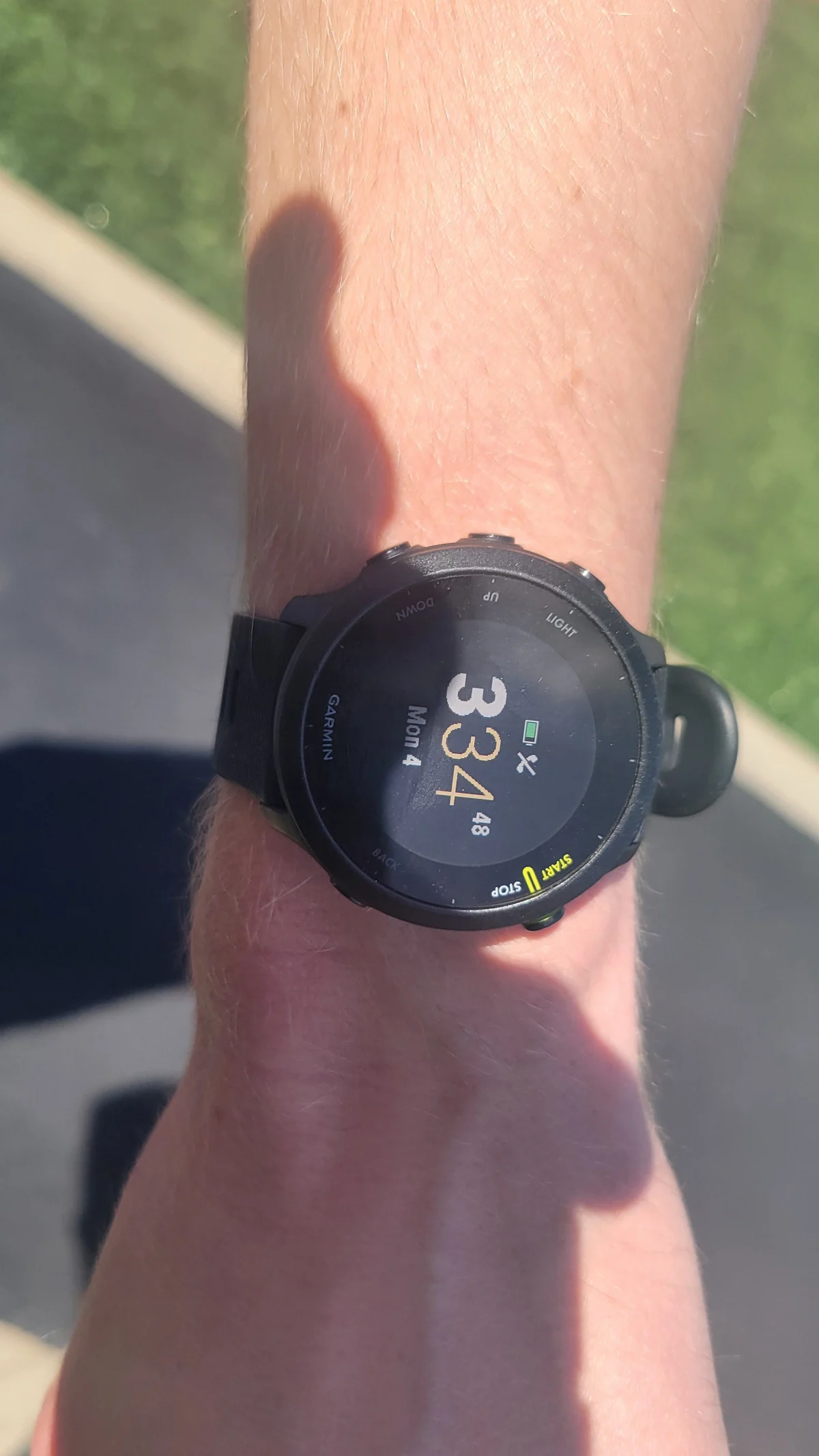
A recent report from The Daily Record, cited by Yahoo Sports, examines the reliance of high school distance runners in the Wooster area of Ohio on GPS running watches. While athletes such as Kaitlyn Carr and Owen Lacy utilise these devices to monitor pace and splits during training, the Ohio High School Athletic Association (OHSAA) prohibits their use during official meets, classifying them as potential pacing aids. Consequently, competitors typically rely on start-stop watches or coach assistance for timing. Despite this technological dependence, some runners describe the devices as a "security blanket" rather than a strict performance necessity, with others preferring to race by "feel" or trust fully automatic timing systems.
The integration of wearable technology into daily training routines is evident among the region’s top performers. Smithville senior Kaitlyn Carr, a three-time individual state track and field champion, immediately checks her Garmin 235 after races to review her time, describing the device as a "security blanket" that she never misses a practice without. Similarly, Orrville senior Owen Lacy, a Division II All-Ohioan, wears a Garmin Forerunner 55 purchased via a team fundraiser, primarily monitoring his pace rather than heart rate data. For Waynedale twin brothers Jaydon and Jackson Varner, the transition to GPS technology occurred in middle school, replacing elementary school stopwatches with devices capable of tracking distance and lap splits.
Norwayne senior Lillith Dreibelbis switched to a Garmin Forerunner 55 in her sophomore year, citing improved battery life, which lasts two weeks, and comfort as key factors in her decision. She notes that the device’s user-friendly interface and ability to track splits have made a significant difference in her training. However, the reliance on specific brands is not universal; Smithville junior Maryn Erdman, the 2024 Division III 800m state champion, wears a Coros Pace 3 during practices for its accurate data on cadence and splits, though she does not wear a watch during races.
The regulatory environment presents a distinct challenge for athletes accustomed to real-time data. OHSAA rules prohibit GPS watches during official meets because electronic devices are viewed as providing an unfair advantage through real-time pacing information. In response, runners adapt their equipment for competition. Carr uses a start-stop watch during cross country and track to monitor her time, while the Varner twins use their devices strictly as stopwatches to ensure they remain on pace. Nigel Wenger, a Smithville sophomore, wears a Garmin only during practice, stating that he goes by "feel" during races and trusts the Fully Automatic Timing System.
Despite the ubiquity of these devices, several athletes acknowledge that they can perform well without them. Erdman relies on parents to shout out splits for her shorter distance events, arguing that watches are inconsequential for sprints. Lillith Dreibelbis noted that focusing on her time during a race can be detrimental, suggesting she runs better when she does not wear the device. Carr admitted to needing to break the habit of checking her watch mid-race and stopping it immediately upon crossing the line, indicating that while the technology is a comfort, it is not always a performance imperative.
The report underscores a broader trend where technology serves as a training guide rather than a competitive crutch. While Garmin, Apple, Coros, and Polar are prominent brands globally, Garmin remains the preferred choice for many area runners due to its straightforward application and pacing features. The divergence between training habits and competition rules highlights the need for athletes to balance data-driven preparation with the sensory experience of racing, relying on coaches and timing systems when electronic aids are prohibited.