Office attire in the heat: navigating professional dress codes during Europe’s record temperatures
Chloe Mac Donnell from The Guardian outlines breathable fabrics and smart casual alternatives to replace beachwear in the office.
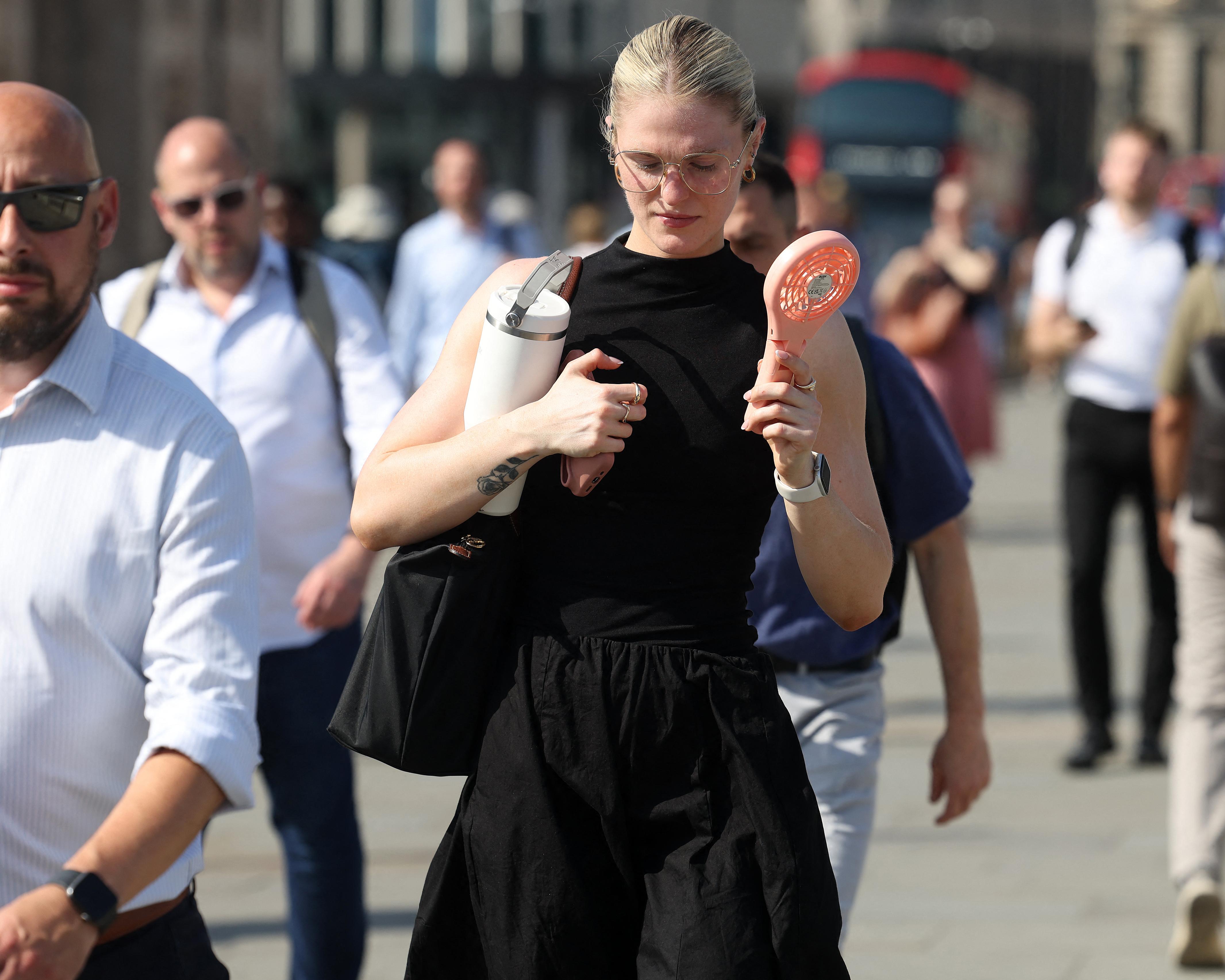
Chloe Mac Donnell, deputy fashion and lifestyle editor at The Guardian, has issued guidance on maintaining professional office attire amidst record-breaking temperatures across Europe. Published on 13 July 2026, the advice comes as the UK experiences temperatures exceeding 36C, prompting fire brigades to issue wildfire alerts and Spanish Prime Minister Pedro Sánchez to urge workers to ditch neck ties. With the climate crisis intensifying, the article suggests that dressing for work requires a strategic shift away from synthetic materials towards breathable natural fabrics.
The Guardian’s editorial team advises professionals to prioritise cotton, silk, merino wool, and linen, which allow heat to escape, while avoiding poly-blend materials that trap moisture. Semi-synthetic options such as modal (Tencel) and viscose are also recommended for their moisture-absorbing properties. Mac Donnell warns against treating the office like a leisure space, explicitly discouraging beachwear, short shorts, and cargo shorts, noting that ergonomic chairs are not deckchairs and that hemlines can become problematic when seated.
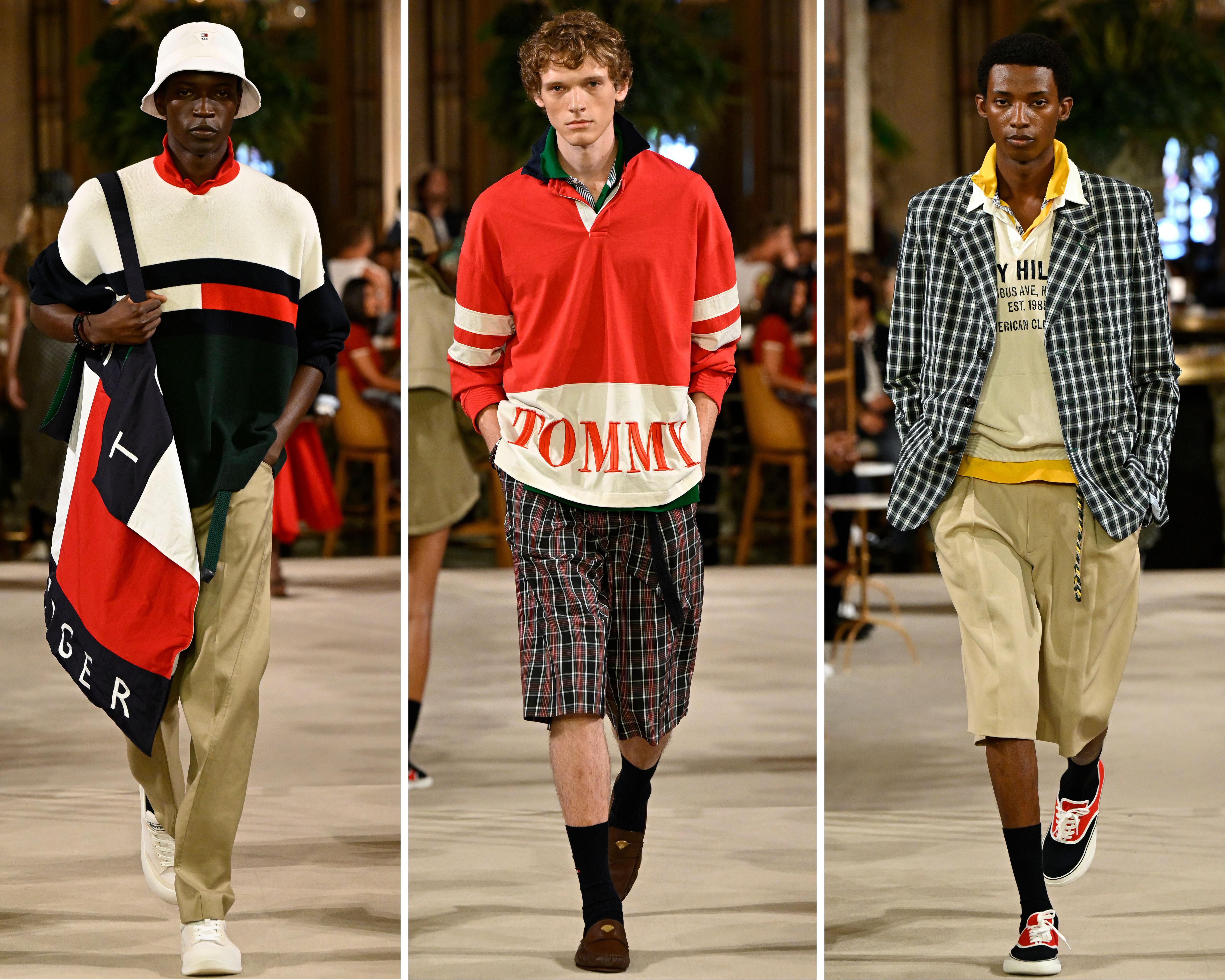
For smart casual environments, the guidance suggests loose, airy cuts over tight shapewear. Recommended items include midi dresses, polo shirts, and roomy shirts, with a preference for wider straps to cover bra lines. The article references cultural moments, such as Brad Pitt wearing a skirt in Berlin at 35C and footballers using ice vests, to illustrate the practical need for airflow. Men are advised to follow the lead of figures like Thomas Tuchel and Andy Burnham by swapping jumpers for polo shirts, though the piece cautions against pairing cargo shorts with dress shirts.
Footwear choices also require adjustment for the workplace. While flip-flops and mesh jelly shoes are popular for casual outings, they are deemed unsuitable for team meetings. Instead, slingback flats or leather sandals are suggested, alongside a note on the Gen Z trend of pairing trainers or loafers with above-ankle socks. The article highlights that some professionals may still feel uncomfortable with exposed toes, suggesting tailored trousers paired with Birkenstocks as a compromise.
Beyond traditional fabrics, the piece highlights emerging climate-resilient clothing technologies. Uniqlo, which closed some European stores in June 2026 due to searing heat, offers UV-protection ranges. Additionally, Rick Owens collaborated with Adidas to create inflatable cooling suits with in-built fans and ice vests, described as a personal air conditioning system. These innovations signal a shift in the fashion industry as brands respond to the increasing frequency of extreme weather events.