OECD warns UK Labour government against triple-lock pension pledge
The Organisation for Economic Cooperation and Development has recommended scrapping the triple-lock mechanism, citing significant fiscal risks and recommending a switch to an earnings and inflation average to secure long-term savings.
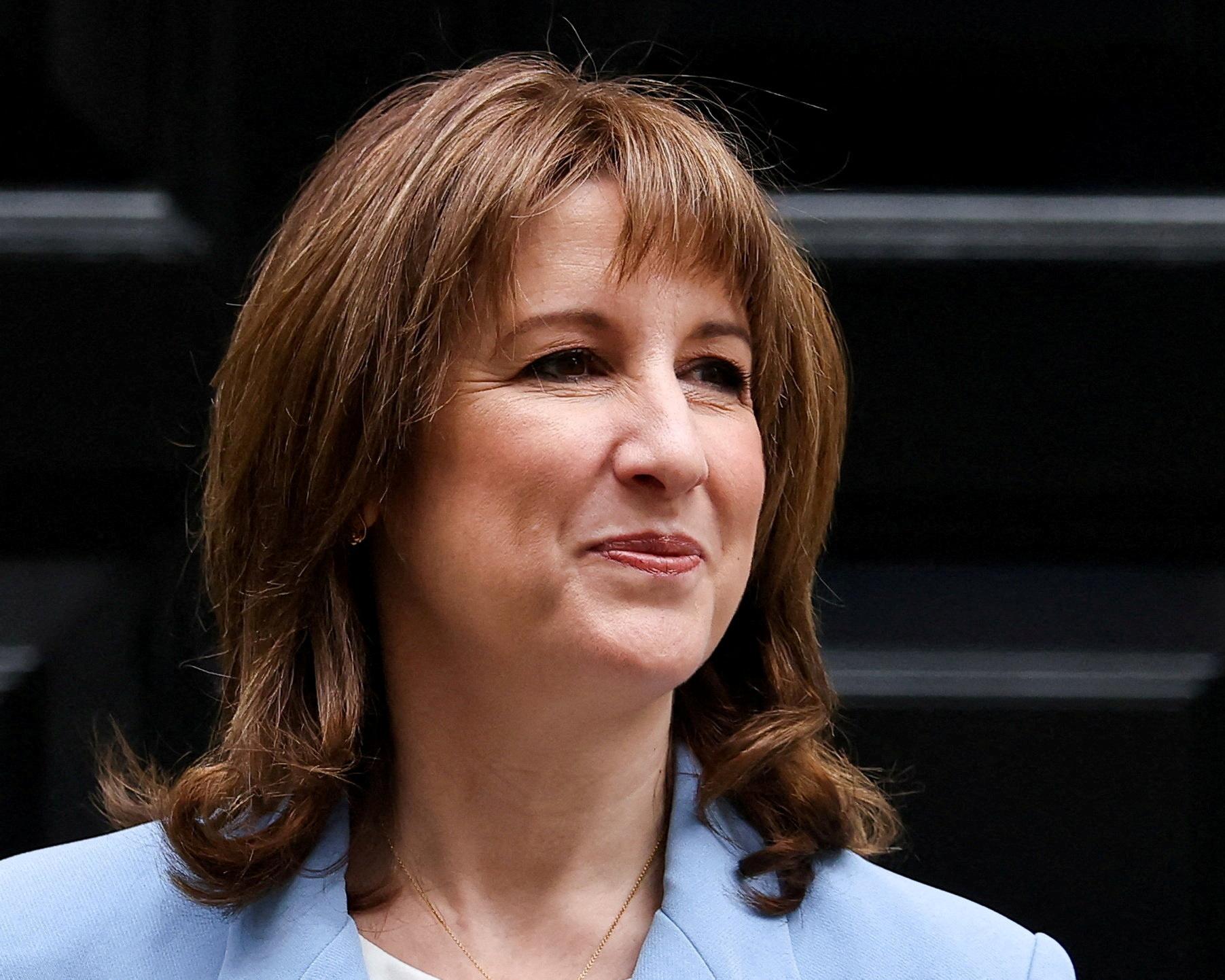
The Organisation for Economic Cooperation and Development has urged the UK Labour government to abandon its triple-lock pension policy, warning that the current mechanism places unsustainable pressure on public expenditure. In its latest economic survey, the Paris-based organisation stated that the pledge, which uprates state pensions based on the highest of wage growth, inflation, or 2.5%, exposes public finances to supply shocks and adds significant fiscal risks.
The OECD recommended replacing the existing system with a mechanism based on an average of earnings and inflation. The organisation estimates that this structural change could yield long-term savings equivalent to 2% of GDP. However, it cautioned that any such reform would require building public support to be viable.
The report was released as Chancellor Rachel Reeves prepares to leave the Treasury, with Andy Burnham expected to assume the role of prime minister and a new chancellor to be appointed next week. While the OECD broadly praised Reeves’s pro-growth agenda and her role in restoring economic stability, it emphasised that high public debt, interest payments, and spending pressures from ageing, climate, and defence limit the government’s fiscal space.
The organisation advised against raising headline tax rates, noting that the tax burden is already high and the system remains complex. Instead, it suggested that tax reforms should prioritise efficiency and revenue strengthening. To address spending pressures, the OECD highlighted the need for improved hospital productivity within the NHS, suggesting operational improvements such as better coordination of patient discharges.
The OECD’s assessment aligns with concerns raised by other institutions, including the Resolution Foundation, the Institute for Fiscal Studies, and the Office for Budget Responsibility, which have previously highlighted the triple-lock as a risk to long-term fiscal sustainability. The OECD noted that the policy has cost three times as much as anticipated since its introduction by the previous coalition government in 2010.
Reeves responded to the findings by stating that the OECD agreed the government had restored stability and placed the economy in a stronger position than two years prior. Her comments followed her final Mansion House speech, where she defended her fiscal decisions and sought to prove doubters wrong regarding her approach to managing the public finances.