Odesa strike kills three as EU defence integration push begins
Russian forces target fuel storage and residential buildings in Odesa, while Ukrainian drone units report striking 20 vessels in the Black Sea overnight.
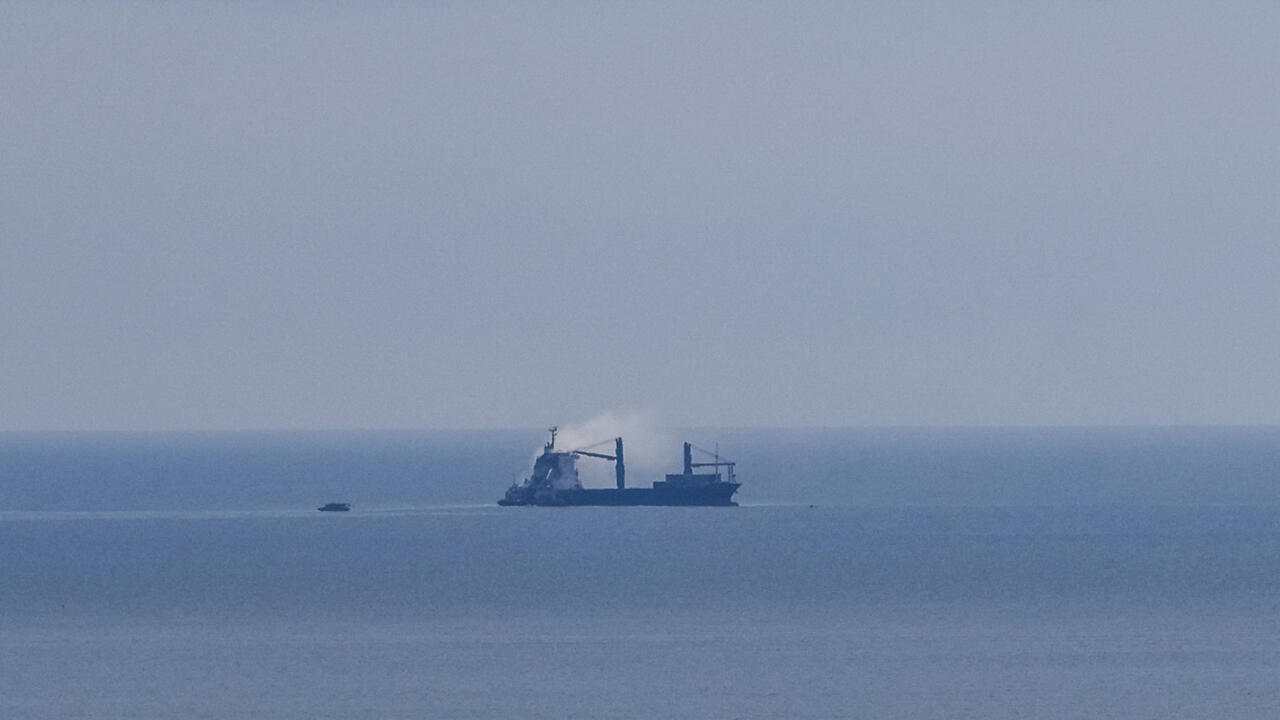
A Russian strike on the Ukrainian port city of Odesa on 15 July 2026 has killed three people and hospitalised three others, according to local official Serhiy Lysak. The attack, which damaged residential buildings and port infrastructure including fuel storage tanks, coincided with the arrival of European Commission President Ursula von der Leyen in Kyiv to announce new defence initiatives.
Lysak, head of the Odesa military administration, confirmed the casualties and structural damage via Telegram, though he did not specify the cause of the explosion. Russia’s defence ministry stated it used precision-guided air-launched weapons and attack drones to target port facilities in Odesa and Chornomorsk, specifically citing fuel storage tanks and unloading infrastructure for lubricants.
In a statement, Russia’s defence ministry also claimed to have struck four vessels delivering cargoes for the Ukrainian armed forces in the ports of Chornomorsk and Dnipro-Buh. This follows a recent escalation in Russian attacks on deepwater Black Sea ports within the Greater Odesa cluster, which are critical to Ukraine’s foreign trade and wartime economy.
Concurrently, von der Leyen arrived in Kyiv to signal a deepening of institutional ties between European and Ukrainian defence sectors. Posting footage of her arrival on X, she stated that new initiatives would aim to integrate defence industries to increase production capacity and speed up manufacturing.
In retaliation for the strikes, Ukraine reported that its drone forces had struck 20 Russian vessels in the Black Sea overnight. Robert Brovdi, commander of Kyiv’s drone forces, specified on Telegram that the targets included two gas tankers and a tugboat among the 20 vessels hit.
The violence in Odesa follows a drone attack on 14 July reported by regional Governor Oleh Kiper, which killed two people and damaged a civilian vessel under a Marshall Islands flag. The United Nations previously reported that June was the deadliest month for Ukrainian civilians in four years, highlighting the sustained pressure on civilian infrastructure.
The incident underscores the dual nature of the current conflict phase, where kinetic strikes on critical economic infrastructure are occurring alongside high-level diplomatic efforts to bolster Ukraine’s long-term defence industrial base.