NYC Mayor Mamdani appoints former FTC Chair Lina Khan to lead Economic Development Corporation
The appointment places a prominent critic of Big Tech monopolies at the centre of New York City’s economic strategy, with Khan pledging to prioritise affordability and resilience.
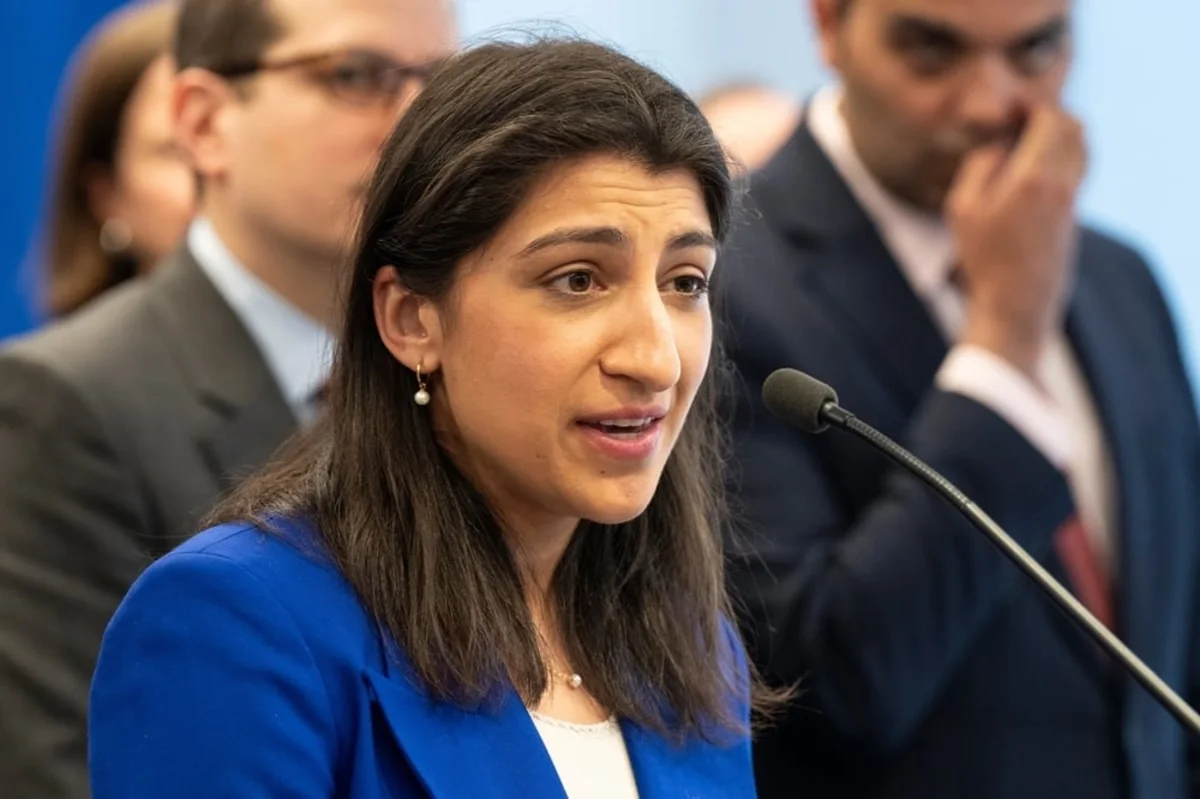
New York City Mayor Zohran Mamdani has appointed former Federal Trade Commission Chair Lina Khan to lead the board of the city’s Economic Development Corporation (EDC). The move places one of the most vocal critics of corporate monopolies at the centre of Mamdani’s economic agenda, signalling a distinct shift in the city’s approach to development and market regulation.
Khan, who served as FTC Chair from 2021 to 2025, will work alongside Anthony Shorris, a former deputy mayor and McKinsey partner, who serves as the EDC’s president and CEO. The EDC is a nonprofit entity responsible for managing city assets, financing development projects, and attracting businesses and jobs to the metropolitan area.
During her tenure at the federal regulator, Khan became the face of the Biden administration’s aggressive antitrust push. Her agency sued Amazon.com Inc. in 2023, alleging the e-commerce giant had illegally maintained monopoly power, and pursued a case against Meta Platforms Inc. in September 2025 over its strategy regarding Instagram and WhatsApp.
The FTC’s record under Khan included significant victories, such as helping to block Kroger Co.’s $25 billion purchase of Albertsons Companies Inc. in December 2024 and Tapestry Inc.’s $8.5 billion deal with Capri Holdings Ltd. The agency also challenged Microsoft Corp.’s $69 billion acquisition of Activision Blizzard and opened a broad investigation into Microsoft’s cloud and artificial intelligence businesses, although courts rejected the Activision challenge and an effort to block Meta’s purchase of virtual-reality developer Within.
Khan stated that her goal is to ensure the city’s economy grows in a way that is affordable, efficient, and resilient. She described the EDC’s role as vital to making life materially better for New Yorkers and ensuring that justice is the driving principle behind its work. Mamdani praised Khan for fighting exploitation and dishonesty, stating she provides the blueprint for a government that delivers for working people.
The appointment has renewed debate regarding Mamdani’s relationship with the business community. Khan’s earlier transition-team role reportedly left some wealthy New Yorkers concerned, while corporate critics have described her regulatory approach as overly aggressive. Her record has also drawn mixed reactions across party lines, with House Republicans accusing her of politicising the FTC, while Vice President JD Vance previously commented that she was doing a good job.
Deputy Mayor Julie Su said that Khan and Shorris would help build a city that is more affordable and more just. The appointment marks a significant moment for Wall Street and corporate leaders, who will now watch closely as a former regulator with a history of challenging tech giants helps shape New York’s economic future.