NXP Semiconductors retains Moderate Buy consensus despite market lag
The Netherlands-based chipmaker’s shares have trailed the S&P 500 and semiconductor peers over the past 52 weeks, weighed down by slowing Chinese vehicle demand and limited AI infrastructure exposure.
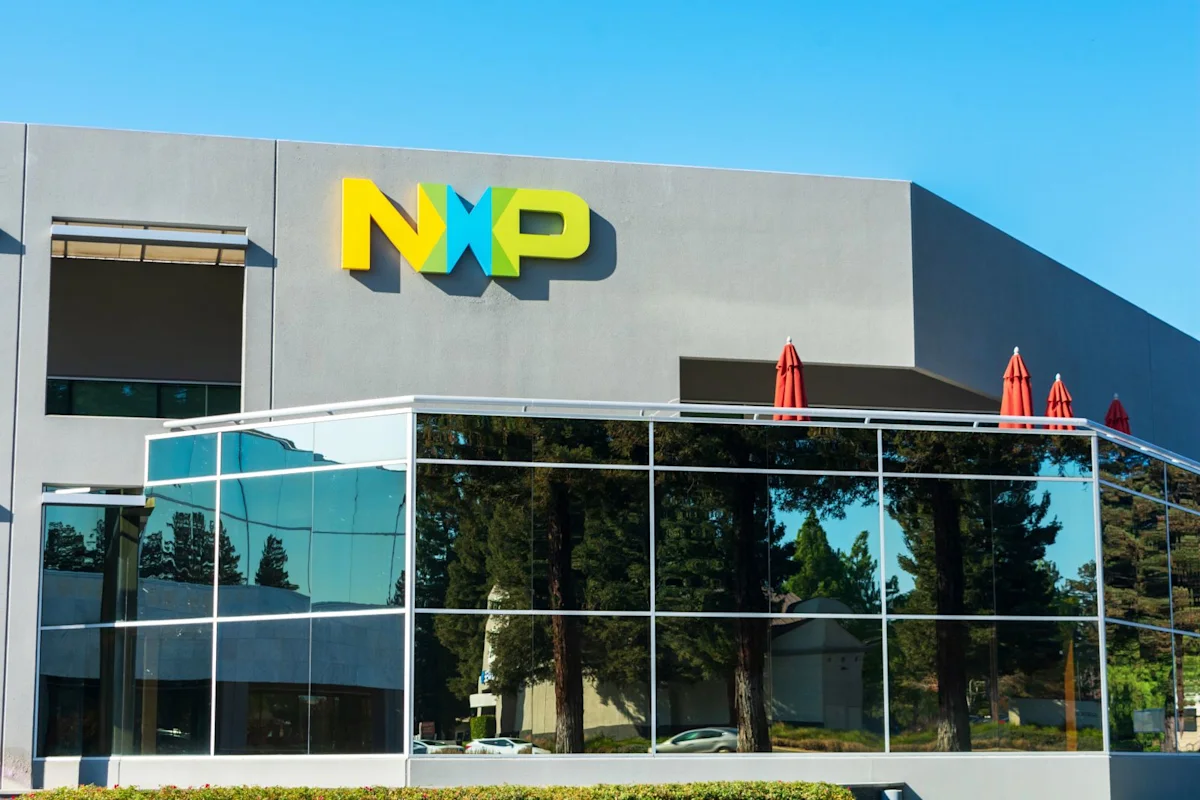
Wall Street analysts maintain a Moderate Buy consensus on NXP Semiconductors, projecting earnings per share to grow 34.6% to $13.73 for the fiscal year ending December 2026. Despite this optimism, the Netherlands-based technology partner has underperformed the broader market and its semiconductor peers over the past 52 weeks. The stock has risen 17.1% during this period, lagging the S&P 500’s 21.7% gain and significantly trailing the State Street SPDR S&P Semiconductor ETF, which surged 98.7%.
The chipmaker’s relative underperformance is attributed to heavy exposure to the automotive sector, specifically slowing vehicle demand in China and potential inventory corrections. Additionally, NXP’s limited involvement in AI infrastructure has caused it to miss out on the rally benefiting peers more directly engaged in the artificial intelligence boom. On a year-to-date basis, NXP shares are up 10.6%, compared to the S&P 500’s 13.3% rise.
Among the 26 analysts covering the stock, the current rating configuration comprises 15 Strong Buy, two Moderate Buy, eight Hold, and one Strong Sell. This sentiment is less bullish than three months ago, when the stock held 18 Strong Buy ratings. However, the company’s earnings surprise history remains robust, having beaten consensus estimates in each of the last four quarters.
Morgan Stanley analyst Joseph Moore recently raised his price target to $338 on 29 July, maintaining an Overweight rating. The mean price target across the analyst group stands at $309.17, representing a 29.5% upside from current levels. The highest Street target is $400, implying a potential 67.6% gain.
NXP Semiconductors, with a market capitalisation of $58.9 billion, operates across automotive, industrial, IoT, mobile, and communications infrastructure markets. While the consensus outlook remains positive on earnings growth, investors continue to monitor the impact of regional automotive slowdowns and the company’s strategic positioning within the evolving AI landscape.