Nvidia expands DLSS 5 to RTX 40-series GPUs, but gamers get only a simple toggle
The chipmaker confirms support for older graphics cards, though it declines to re-confirm previously announced titles, leaving some developers’ commitments in doubt.
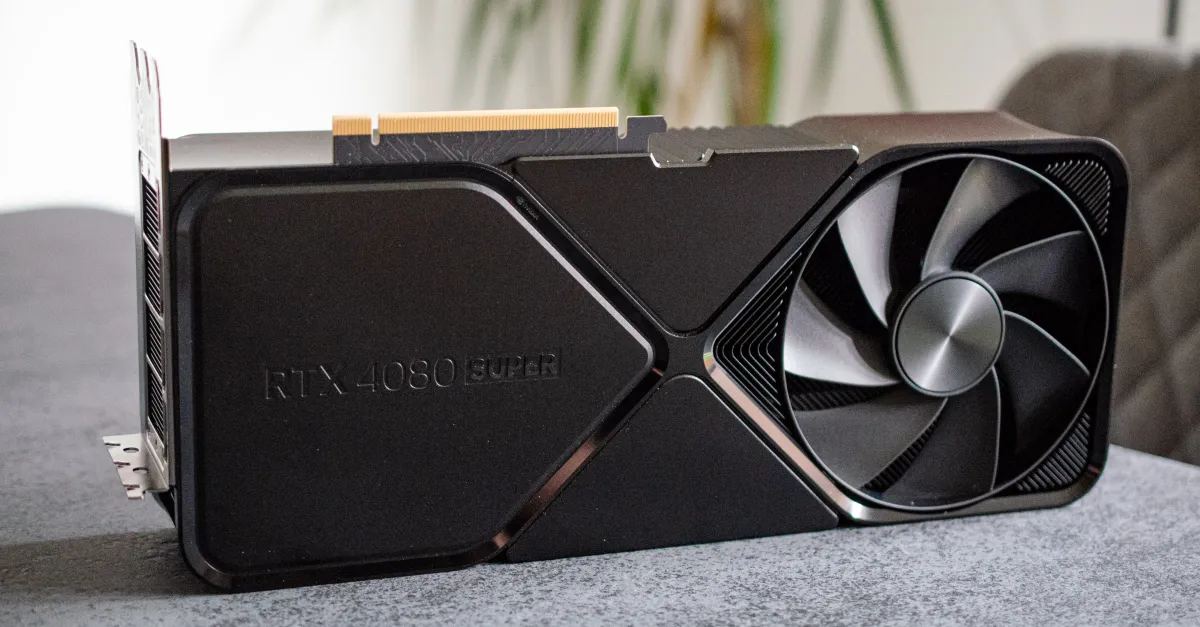
Nvidia has officially confirmed that its DLSS 5 AI rendering technology will expand support to GeForce RTX 40-series GPUs, following an initial launch on its latest RTX 50-series cards. The move marks a shift from the company’s original plan to release the feature exclusively on its newest hardware, a strategy that had already been undermined by modders who successfully ported a leaked version of the technology to older RTX 30 and RTX 20-series cards.
According to Nvidia spokesperson Rajal Maharaj, the company’s current focus remains on optimising performance for the GeForce RTX 50 Series, with model updates expected later this fall. Once performance on the 50-series is fully tuned, Nvidia plans to expand official support to the 40-series. For now, the company is taking a cautious approach, with Maharaj noting that the focus is on the 50-series and that the rollout will proceed one step at a time.
Despite the expanded hardware support, Nvidia has clarified that gamers will not have full control over the technology’s settings. The feature will be presented as a simple on-or-off toggle for end-users, while granular artistic controls—including model selection, structure intensity, tone intensity, and automatic masking—are reserved for developers. However, the company noted that developers could choose to pass along certain controls in their own settings menus, similar to how other graphics technologies have evolved over time.
The technology relies on AI models that run on every single frame, meaning there is no minimum framerate requirement for it to function. These models automatically recognise and isolate objects within a scene, such as faces, textiles, and foliage, to apply varying levels of processing. To facilitate integration, Nvidia provides a native plugin for Unreal Engine 5 and SDKs for other engines, allowing developers to apply the technology to entire games or specific scenes and cutscenes.
A notable uncertainty remains regarding which titles will actually ship with DLSS 5. When asked to re-confirm previously announced games, including Assassin’s Creed Shadows, Hogwarts Legacy, Starfield, and Resident Evil Requiem, Nvidia offered a non-committal response. The company stated that “more games are on the way” and that many developers are actively integrating the technology, but did not explicitly confirm that the original list of titles would retain support. This silence has led to suggestions that some developers may have backed away from the feature due to early backlash.