NVIDIA commits $3 billion to Lancium power infrastructure in strategic AI push
The initial $2 billion investment secures a 20 per cent stake, with a further $1 billion contingent on grid interconnection milestones, as Jensen Huang identifies power as the primary bottleneck for AI growth.
NVIDIA Corporation has agreed to invest up to $3 billion in Lancium, a power infrastructure developer and the operator of the Stargate data centre project in Abilene, Texas. The transaction, first reported by The Information on August 7, represents a significant deepening of the chipmaker’s involvement in the physical layer of artificial intelligence infrastructure.
The deal is structured in two tranches. NVIDIA will provide an initial $2 billion for approximately 20 per cent equity in Lancium. A further $1 billion is contingent on the company meeting specific operational goals, primarily the securing of additional grid interconnections. This structure underscores the critical nature of electricity access in the current AI buildout cycle.
Lancium’s flagship asset, the 1,000-acre Lancium Clean Campus in Abilene, serves as the first operating site for Stargate. Stargate is an AI infrastructure joint venture formed by SoftBank, OpenAI, and Oracle, which was unveiled by President Donald Trump in January. The partners have previously committed to investing up to $500 billion in AI infrastructure over time.
NVIDIA’s move aligns with a strategic shift observed throughout 2026, where the company has moved beyond merely selling processors to taking equity stakes in the infrastructure that makes its chips viable at scale. Reports throughout the year have identified electricity, rather than chip supply, as the limiting factor preventing hyperscalers and AI labs from placing new capacity online.
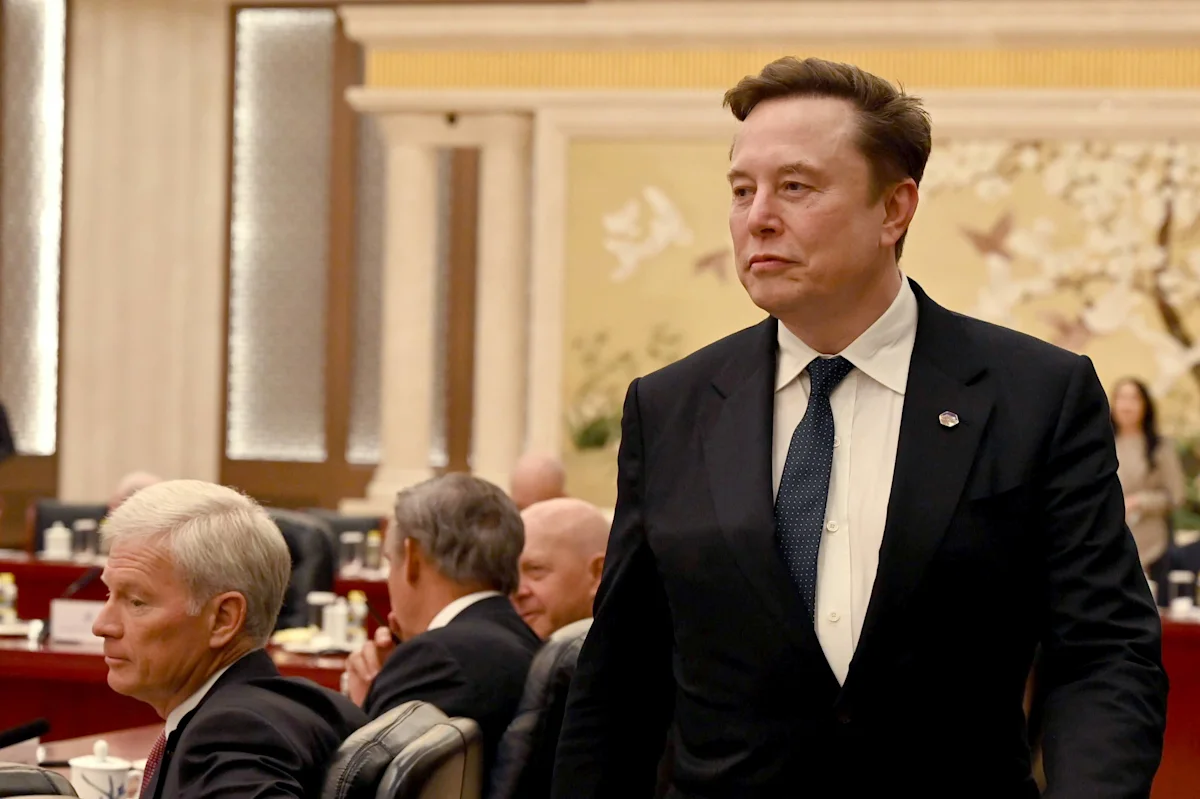
Jensen Huang, NVIDIA’s chief executive, outlined the logic behind the investment at a private gathering in Taipei. He stated that returns on AI infrastructure investment have reset significantly over the last six months and are now profitable at a scale that has calmed earlier skeptics. Huang defined the requirements for AI infrastructure as land, power, and funding, in that order.
For Lancium, the capital injection provides growth funding ahead of a potential initial public offering as early as 2027. The presence of NVIDIA on the cap table also offers a credibility signal that may assist in future fundraising. Meanwhile, institutional sentiment toward NVIDIA remains robust, with hedge fund ownership increasing from 264 funds in the fourth quarter of 2025 to 275 funds in the first quarter of 2026, according to 13F filing data. Fisher Asset Management remains the largest institutional stakeholder, holding a $15.4 billion position.
By securing grid hookups for gigawatt-scale data centres, NVIDIA aims to ensure long-term demand visibility for its Blackwell and next-generation GPU architectures. The investment effectively creates a strategic moat by tying the company’s core hardware sales to the energy infrastructure required to run it.