NPT Review Conference Opens in New York as US-Israeli Conflict Casts Shadow Over Nuclear Order
Delegates gather to examine the integrity of safeguards and the protection of non-nuclear-weapon states while the IAEA reports no evidence of a structured weapons programme in Tehran
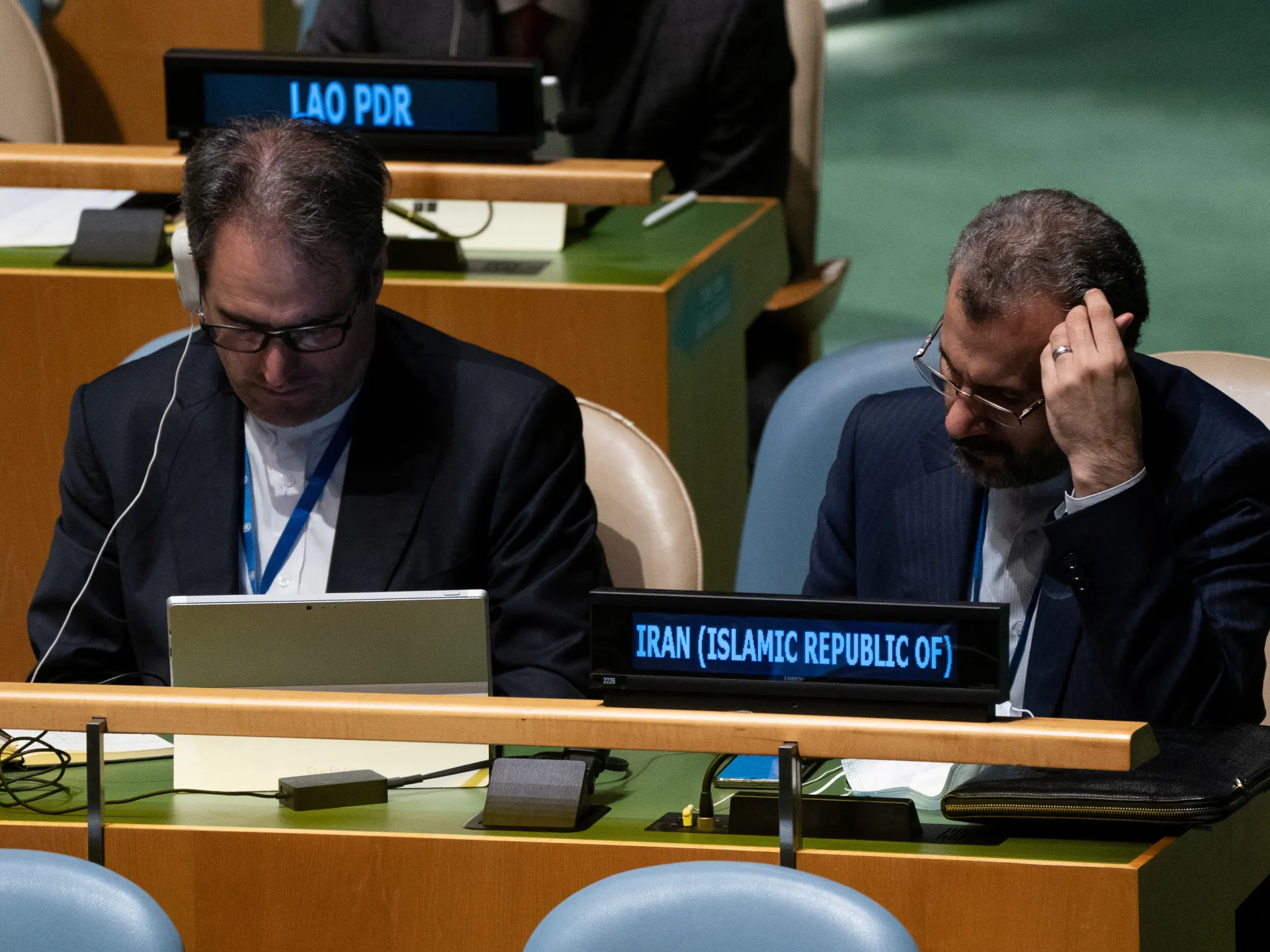
States party to the Treaty on the Non-Proliferation of Nuclear Weapons (NPT) convened in New York on 27 April 2026 to commence their five-year review conference. The proceedings commenced under the shadow of ongoing military attacks launched by the United States and Israel against Iran, which were justified as a measure to halt Iran's nuclear weapons programme. This convergence of diplomatic review and active conflict has raised immediate concerns regarding the erosion of confidence in the treaty's core bargain.
The central agreement, which entered into force in 1970, obliges non-nuclear-weapon states to forgo nuclear arms while five recognised nuclear-weapon states commit to curbing proliferation and pursuing disarmament. All parties retain the right to pursue peaceful nuclear technology under safeguards overseen by the International Atomic Energy Agency (IAEA). The review conference is designed to assess whether this grand bargain remains honoured, yet the current military actions threaten to undermine the logic of the treaty by targeting safeguarded facilities.
Iran has submitted working papers to the conference arguing that attacks on safeguarded nuclear facilities violate the logic of the NPT and citing Article IV regarding the right to peaceful nuclear technology. Tehran highlights the double standard of Israel's non-membership in the treaty and the unfulfilled promise of a Middle East free of nuclear weapons. These arguments resonate with wider anxieties among non-nuclear-weapon states that rules are applied selectively, with the powerful exempt from the constraints imposed on the weak.
The IAEA has raised concerns about Iran's unresolved safeguards issues, limited inspector access, and uranium enrichment levels that exceed normal civilian needs. However, the agency has found no evidence of a structured weapons programme, a conclusion reportedly confirmed by US intelligence. Despite this finding, the coercive approach of bombing and blockading risks teaching other states that remaining below the weapons threshold provides neither reassurance nor protection.
The location of the review conference in New York, a venue chosen by the United States, adds a layer of complexity to the proceedings. The ongoing conflict, alongside other alleged violations of international norms such as the abduction of Venezuelan President Nicolas Maduro, casts doubt on the commitment to diplomacy and international law. The war prevents the use of the venue for supplementary talks that might otherwise have resolved differences between the US and Iran.
As the conference enters its four-week session, state parties face the task of reaffirming that attacks on safeguarded nuclear facilities are unacceptable. They must press Iran on safeguards without relying on force for verification and remind the United States that zero enrichment is not an NPT requirement. Preserving the treaty is key to maintaining the nuclear order established over the past 50 years, and delegates must ensure the basic bargain is not rewritten by war.