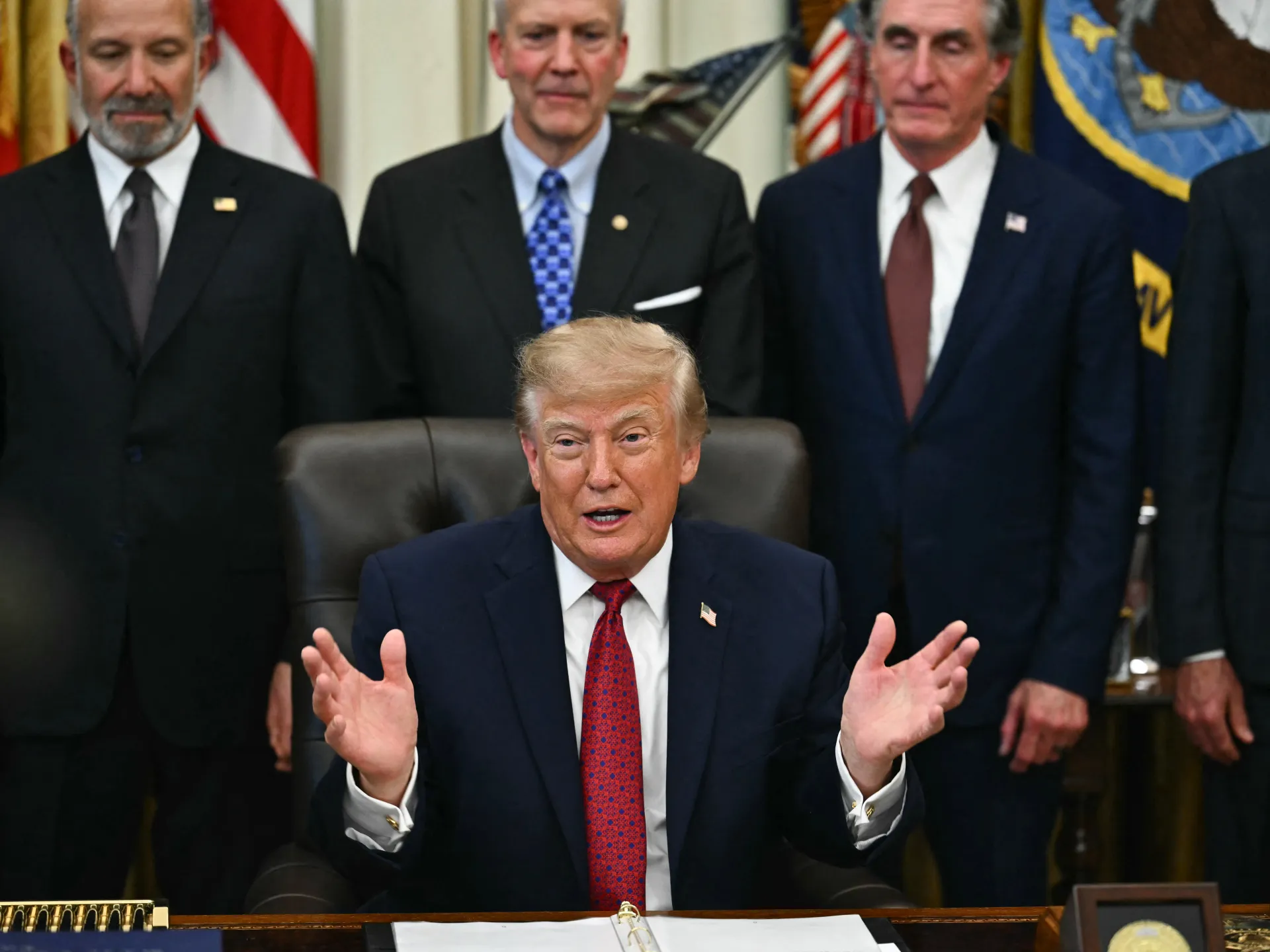
NPT Review Conference Opens in New York Amidst Fragile Ceasefire and Nuclear Tensions
The five-year review conference for the Treaty on the Non-Proliferation of Nuclear Weapons has convened in New York, occurring under the shadow of a fragile ceasefire between the United States and Iran, with debates intensifying over the future of Tehran's nuclear programme and the precedent set by non-signatory Israel.
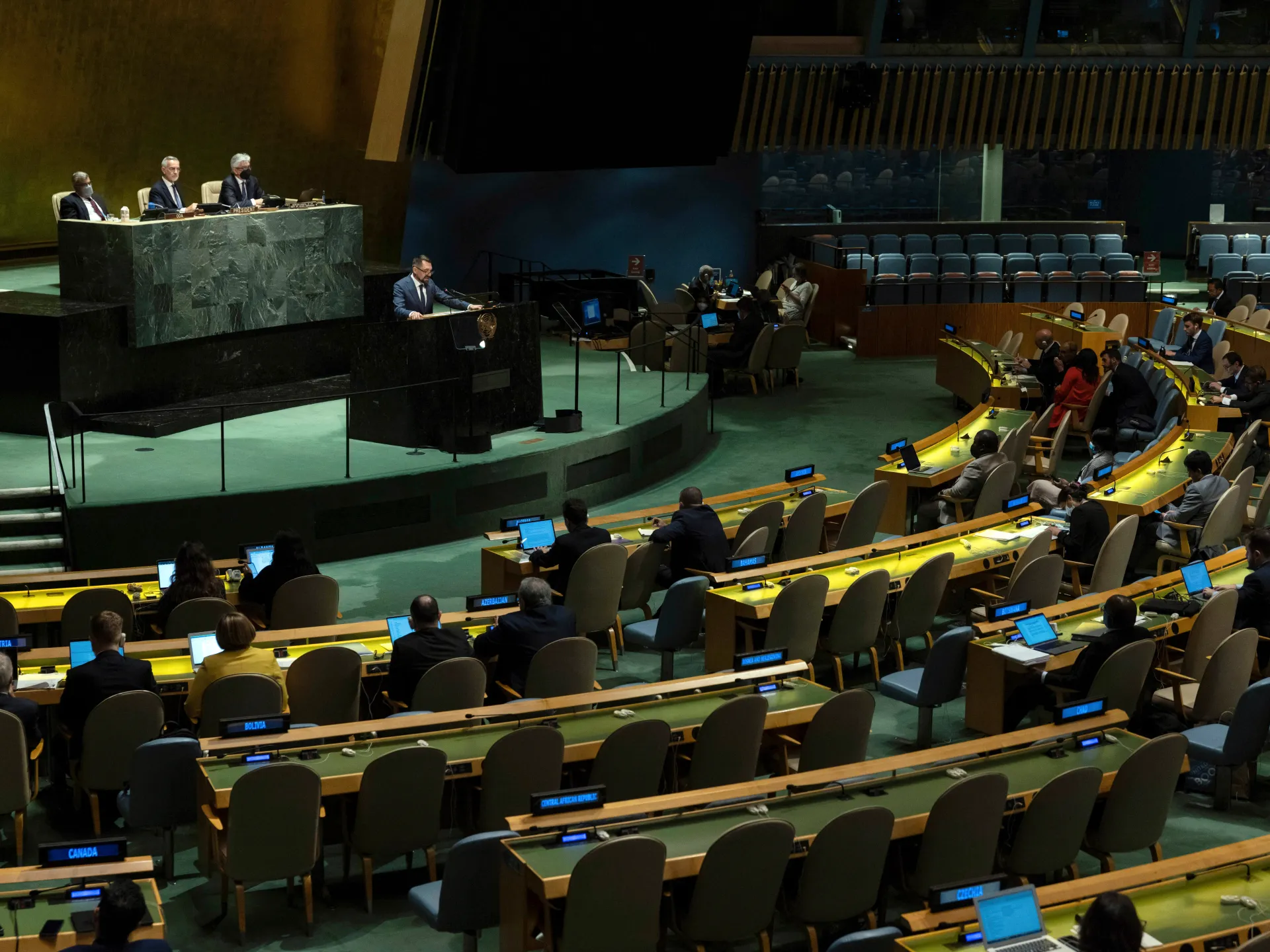
The five-year review conference for the Treaty on the Non-Proliferation of Nuclear Weapons (NPT) has opened in New York, proceeding against the backdrop of a fragile ceasefire between the United States and Iran. The proceedings are dominated by discussions regarding Iran's enriched uranium stockpile, specifically concerning its location, remaining quantity, and ultimate disposition. These deliberations take place while the international community grapples with the implications of recent military actions that have reportedly undermined previous diplomatic efforts to secure a nuclear accord.
Central to the summit's agenda are reports from Omani Foreign Minister Badr Albusaidi, who mediated talks between Washington and Tehran. The Omani minister stated that Iran had agreed to "zero accumulation," "zero stockpiling," and full verification of its existing stockpile by the International Atomic Energy Agency (IAEA), with the material to be downblended to natural uranium levels. However, these diplomatic claims were reportedly nullified hours later by US and Israeli strikes, casting a long shadow over the conference's potential outcomes.
Analysts caution that the NPT's survival as a credible mechanism is now at stake due to the precedent set by non-signatory Israel possessing nuclear weapons and attacking an NPT member state. The conflict challenges the treaty's fundamental architecture, which rests on a "grand bargain" where states without nuclear weapons agree not to acquire them in exchange for the right to peaceful nuclear technology under international supervision. Experts argue that the consistency of this arrangement is being tested by the actions of recognised nuclear powers and the involvement of a nuclear-armed non-signatory.
The credibility of the treaty is further compromised by inconsistent enforcement and the nuclear modernisation of recognised powers. Sahar Khan, a Washington-based independent analyst, noted that the "grand bargain" has fundamentally broken down because all nuclear-weapon states are modernising their arsenals at an alarming rate. Hossein Mousavian, who worked on Iran's nuclear diplomacy team, added that the record of the treaty has come under serious strain as nuclear-weapon states fall short of disarmament commitments while continuing to modernise their capabilities.
Furthermore, the perception of fairness among non-nuclear states is eroding due to what many view as selective application of the treaty's principles. Mousavian highlighted that attacks on nuclear facilities under IAEA safeguards have not been met with clear and consistent responses from the UN Security Council or the IAEA. This lack of uniform enforcement is driving a growing perception that the NPT is shifting from a rules-based regime toward a politicised instrument shaped by power dynamics rather than the uniform application of its principles.
Historical context suggests that the current situation mirrors previous eras where consensus fractured under the weight of geopolitical conflict. Rebecca Johnson, director of the Acronym Institute for Disarmament Diplomacy, observed that the possession of nuclear weapons creates a sense of impunity, emboldening conventional military action. She noted that frustration with the NPT process has historically driven support for alternative disarmament frameworks, such as the Treaty on the Prohibition of Nuclear Weapons, adopted in 2017.
The conference faces significant challenges as it attempts to address these structural imbalances while two major wars rage globally. Tariq Rauf, a former IAEA official, expressed pessimism about the effectiveness of the review process, citing the deep hypocrisy and double standards riddling nuclear issues. He warned that even if agreements are reached, nuclear states often find ways to diminish their importance and scope shortly after, leaving the core issues of non-proliferation and disarmament largely unresolved.