Nottingham Forest midfielder Elliot Anderson redefines leadership as a quiet, example-driven role
Anderson credits his move from Newcastle United and recent England call-up for dispelling perceptions of his reserved nature.
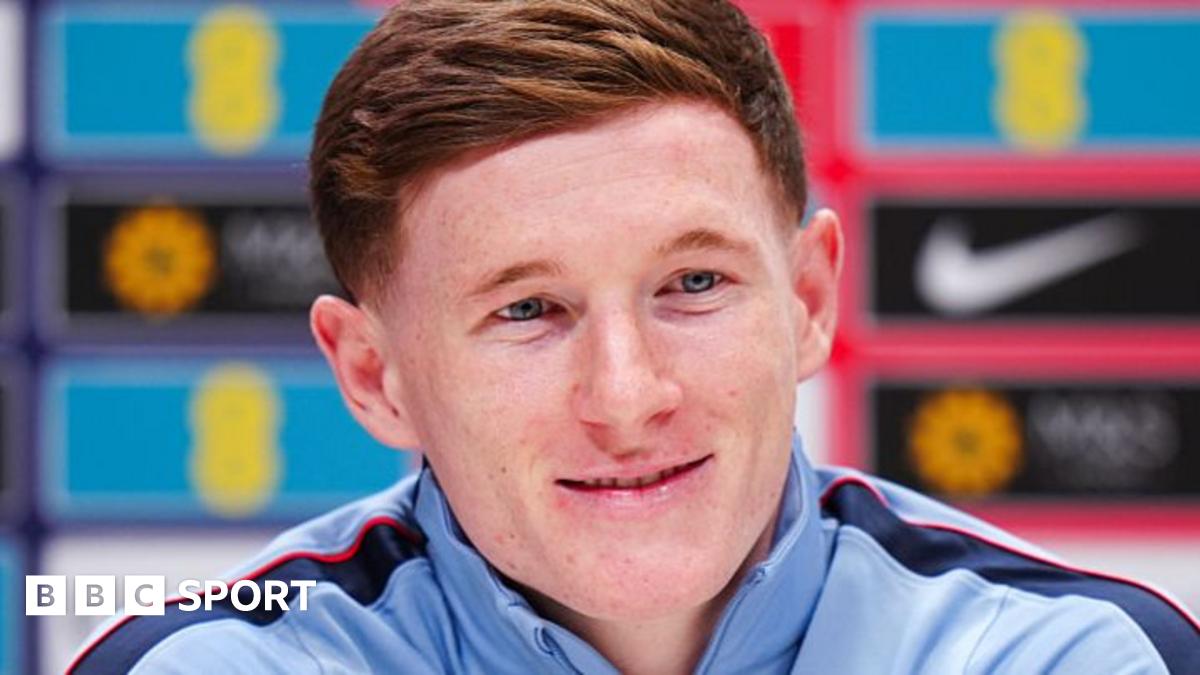
Nottingham Forest midfielder Elliot Anderson has publicly articulated a distinct approach to leadership, one that prioritises on-pitch example over vocal commands in the changing room. In a recent conversation with host Kelly Somers for The Football Interview, the 23-year-old detailed his evolution from a player perceived as shy to one who now feels a sense of responsibility within the squad.
Anderson addressed the perception that he was previously viewed by teammates as having a "poker face" or appearing "miserable." He acknowledges that his quiet nature often led to misconceptions about his feelings, but he is now actively working to dispel these views. While he admits to being reserved, he emphasises that his current confidence allows him to engage more freely with his peers.
Regarding his specific duties as a leader, Anderson explicitly stated that he leaves the vocal responsibilities to teammates such as Ryan Yates and Morgan Gibbs-White. His philosophy is rooted in leading through performance rather than through words, a style that aligns with his preference for dropping back into the number six or eight positions to facilitate play for his attackers.
The midfielder credited his transition from Newcastle United's academy to Nottingham Forest as a pivotal moment in his development. Having joined the club four years ago after a stint in League Two with Bristol Rovers, Anderson noted that the club provided the necessary platform to showcase his abilities. He described the move as stepping out of his comfort zone, which ultimately helped him settle in and gain the backing of the group.
Anderson's confidence has been further bolstered by his inclusion in the England squad under manager Thomas Tuchel. He recalled the nervousness surrounding his first training session with the Three Lions, noting his primary focus was on gaining the approval of his new teammates to prove his quality. This national team experience has reinforced his belief in his own abilities and contributed to his growing leadership role.
Beyond football, Anderson mentioned the supportive dynamic he shares with his older brother, a professional boxer. The brothers support each other in their respective sports, with Anderson attending his brother's fights and receiving support in return. This personal connection highlights the broader support network that has helped him navigate the pressures of professional sport.