Norwegian archaeologists recover artefacts from 18th-century shipwreck
Archaeologists working in southern Norway have successfully retrieved Chinese porcelain and European goods, including a chandelier, from an 18th-century vessel, according to reporting by Al Jazeera.
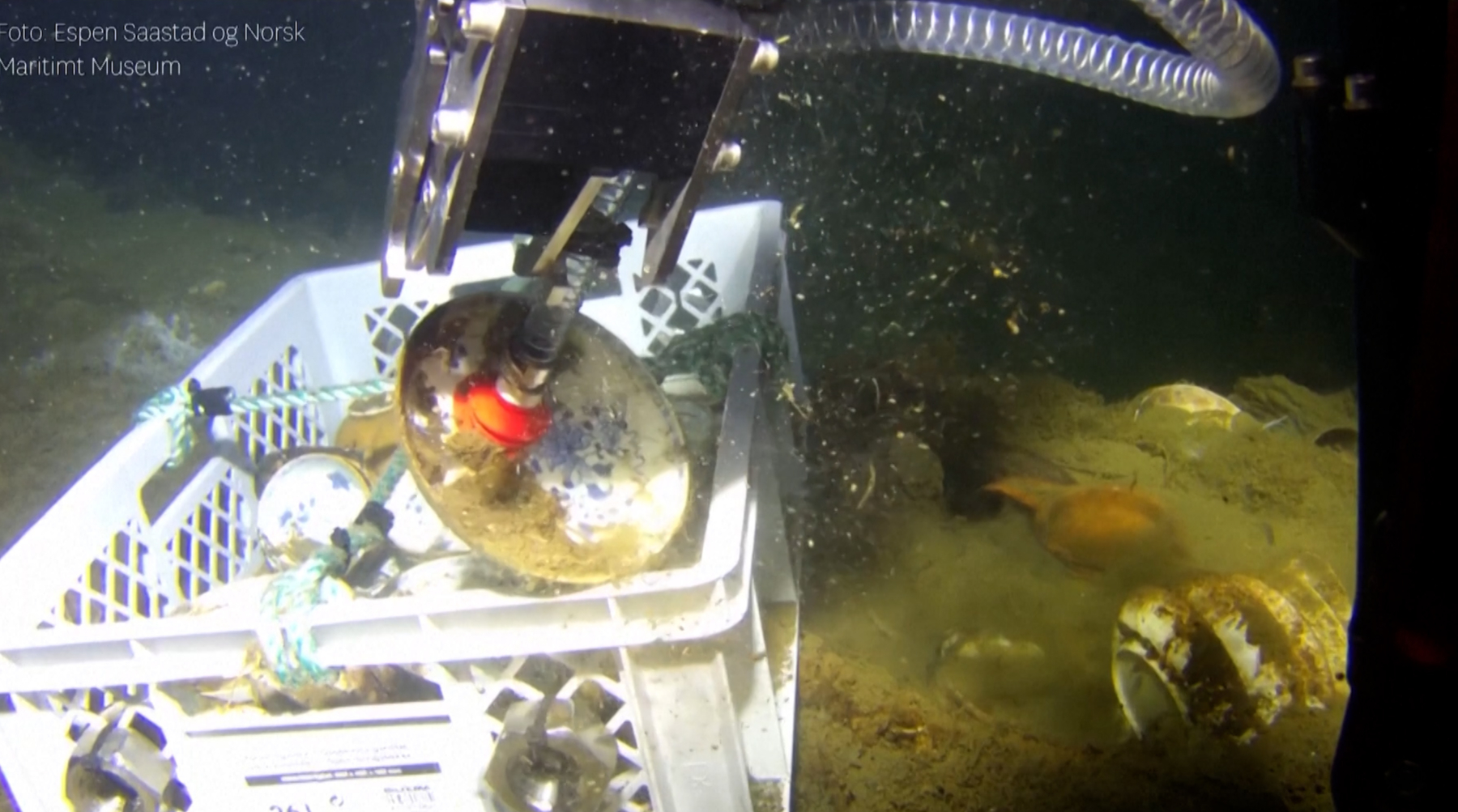
Archaeologists have conducted a salvage operation on an 18th-century shipwreck located in southern Norway, recovering a range of historical artefacts. The mission, which has been reported by Al Jazeera, resulted in the retrieval of Chinese porcelain and various European goods.
Among the items recovered from the wreck is a chandelier, alongside the porcelain. The specific identity of the vessel and its original destination remain unspecified in the available reporting. Similarly, the precise location within southern Norway where the wreck was found has not been detailed.
The salvage operation highlights the ongoing efforts to recover and preserve maritime history from the 18th century. The recovery of these items provides tangible evidence of trade and material culture from that period, although the provenance and current custodianship of the artefacts are not yet confirmed.
Details regarding the specific cargo manifest of the ship or the broader context of its voyage are not provided in the source material. The report focuses solely on the successful extraction of the identified goods from the seabed.
The operation underscores the technical capabilities required for underwater archaeology in the region. While the exact timeline of the salvage is not explicitly dated in the summary, the recovery marks a significant find for the study of 18th-century maritime history in Norway.
Further analysis of the artefacts may provide additional insights into the trade routes and manufacturing techniques of the era. However, at this stage, the primary focus remains on the successful recovery of the porcelain and the chandelier from the southern Norwegian waters.