Northern Vietnam’s Hmong communities face governance gaps amid climate crisis
Rising temperatures and landslides threaten traditional agriculture in northern Vietnam, leaving marginalised Hmong communities to navigate adaptation with minimal government intervention.
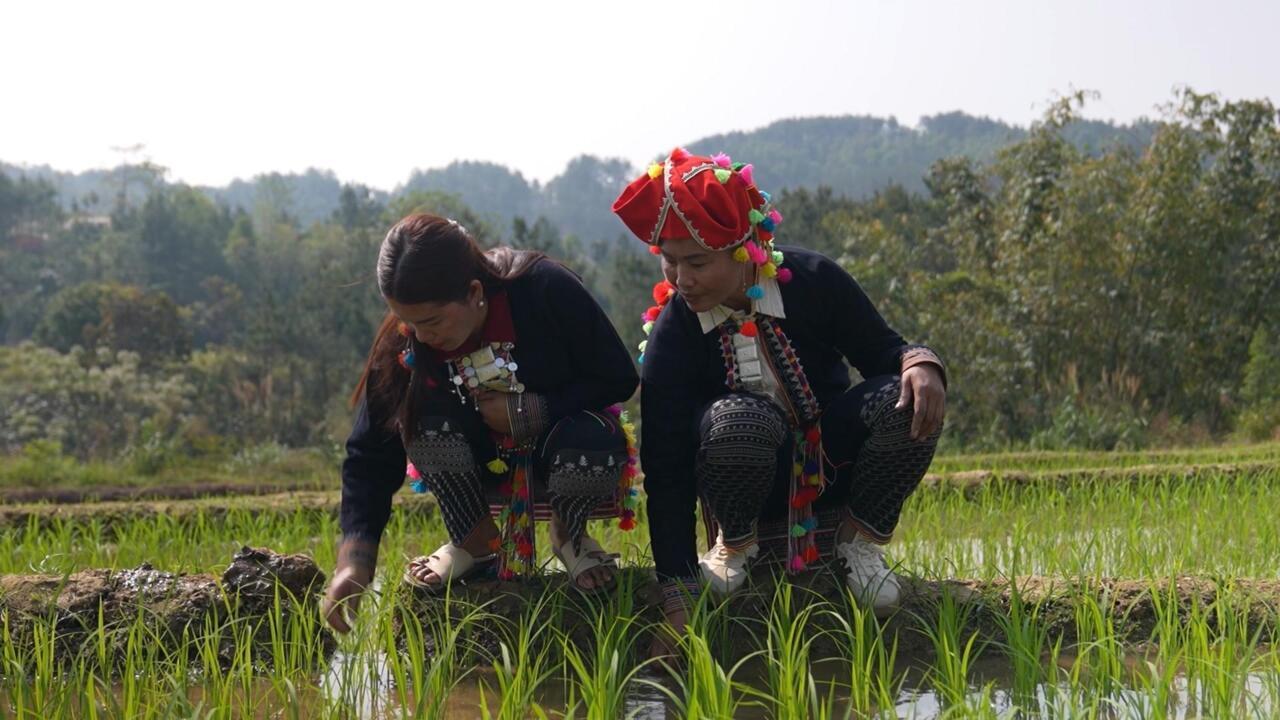
Indigenous Hmong farming communities in the mountainous regions of northern Vietnam are confronting severe environmental disruptions driven by the climate crisis. According to a report by France 24, these groups are experiencing rising temperatures, unpredictable rainfall patterns, and increased landslide activity, which have become integral parts of their daily existence.
The traditional agricultural systems that have sustained these communities for centuries are under significant strain. Generations-old terraced rice paddies are struggling to cope with the shifting climate, while deforestation is causing the disappearance of vital medicinal plants. The geographical isolation of the Hmong people is exacerbating these vulnerabilities, limiting their access to broader support networks.
Despite their long-standing presence in the region, the Hmong are described as marginalised and receive little support from the Vietnamese government. As climate conditions worsen, many families have been left to fend for themselves. The scarcity of resources has forced some to migrate to urban centres, where they face the additional challenge of retaining their cultural identity in a rapidly changing social landscape.
In response to these systemic pressures, some communities are attempting to adapt their agricultural practices on their ancestral land. With assistance from Vietnamese non-governmental organisations, villagers are cultivating new, climate-resilient crops designed to withstand the changing environmental conditions. This shift represents a critical adaptation strategy in the absence of substantial state-led intervention.
The situation highlights the intersection of indigenous rights, environmental policy, and governance in Vietnam. While local NGOs are providing essential support for adaptation, the broader implications of limited government aid for marginalised ethnic groups remain a significant concern for policymakers and human rights observers.