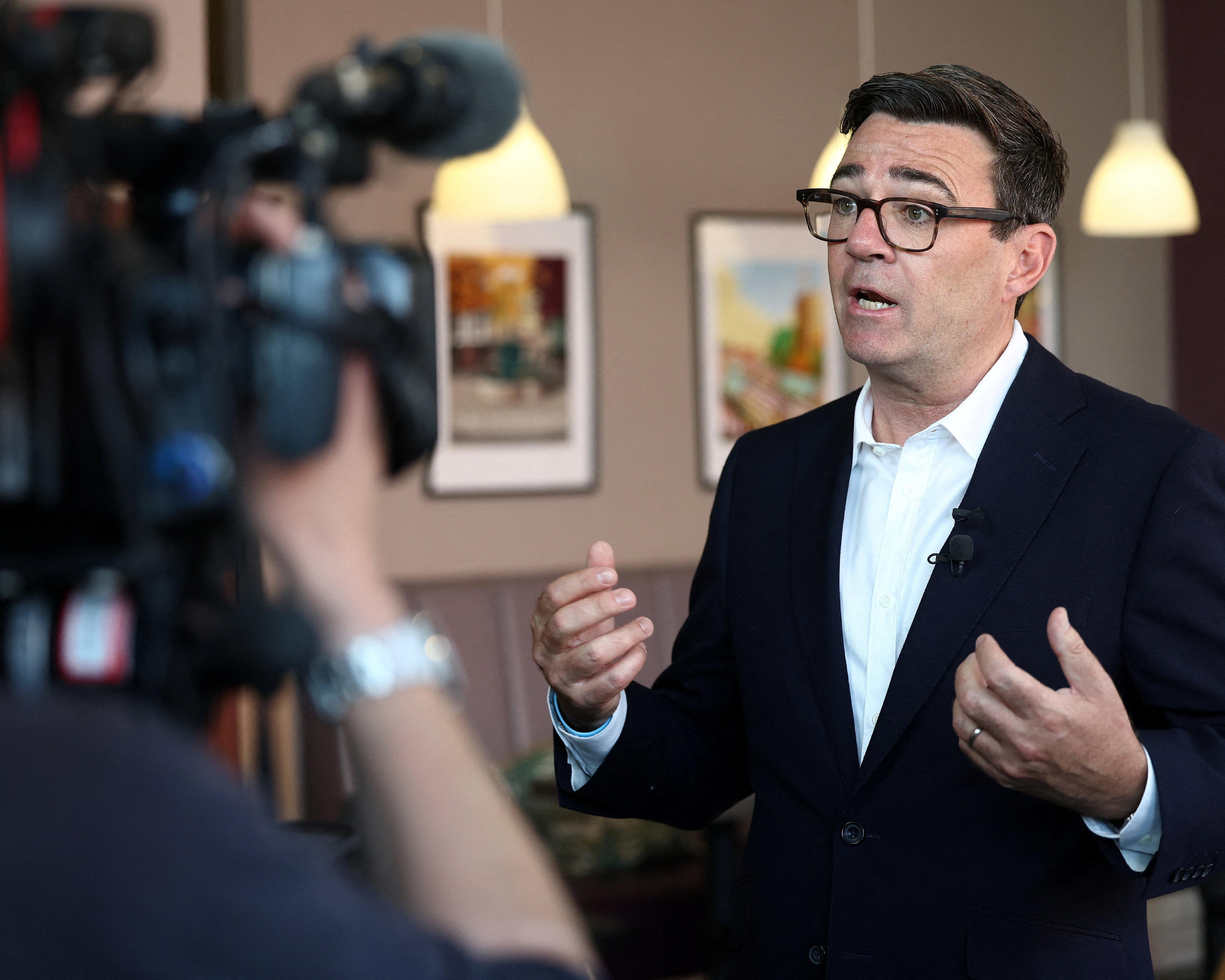
North Sea lobby pressures Burnham on Rosebank and Jackdaw approvals
Offshore Energies UK and business partners urge Labour to consent to projects licensed under the previous government, citing high electricity costs and manufacturing needs.
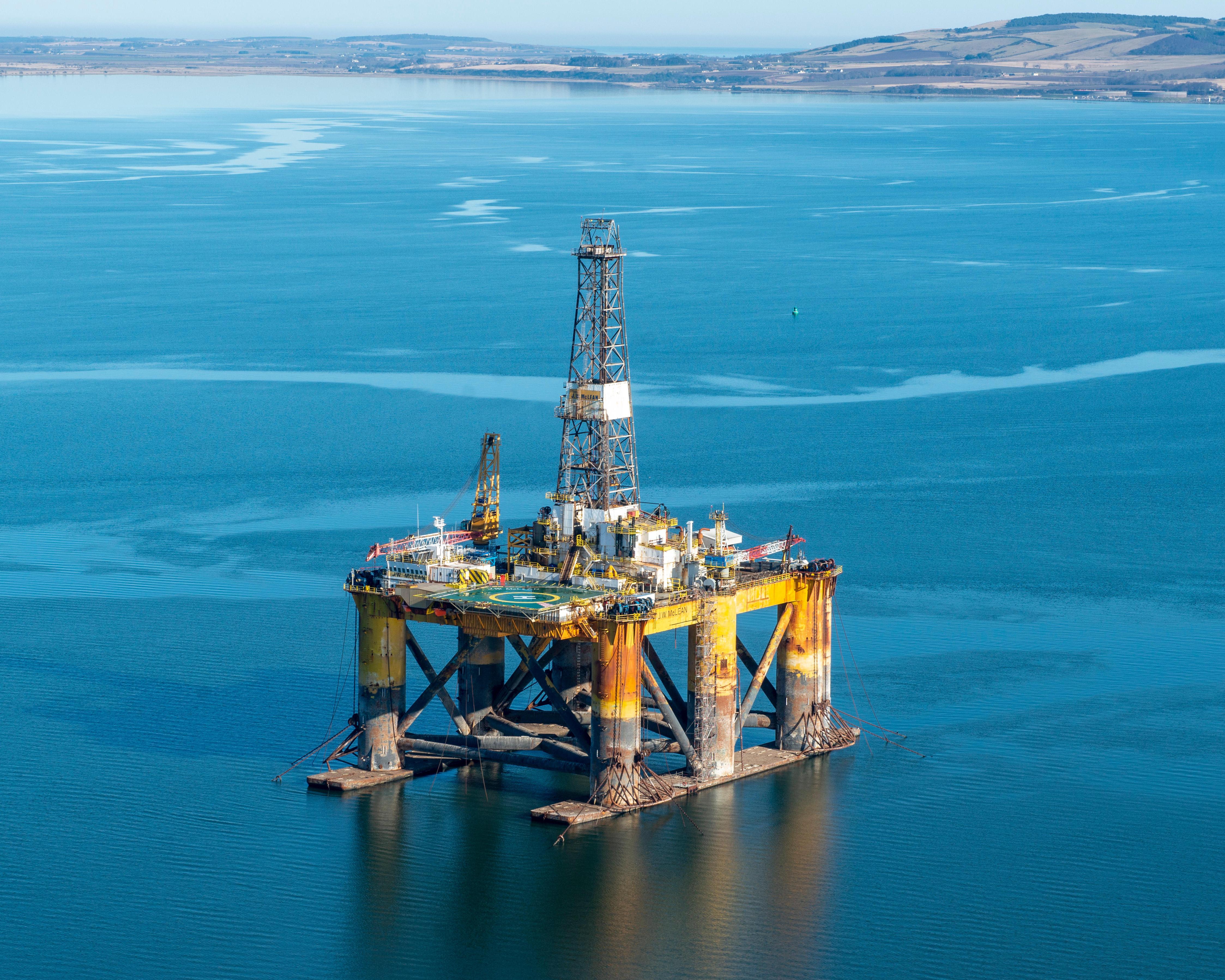
The UK’s North Sea oil and gas sector has intensified its lobbying efforts ahead of Andy Burnham’s expected appointment as prime minister, urging the prospective leader to approve new drilling in UK waters. Through a letter co-signed by Offshore Energies UK (OEUK) and more than 40 business groups, including the GMB trade union, industry representatives are appealing directly to over 400 Labour MPs. The coalition argues that domestic production aligns with Burnham’s reindustrialisation agenda, which prioritises safeguarding sovereign manufacturing capabilities and supporting the skilled workforce that has underpinned the nation’s industrial base for generations.
The correspondence specifically targets the final consent for the Rosebank and Jackdaw projects, both of which were licensed under the previous Conservative administration. Industry lobbyists contend that an “all-energy approach” is essential for energy security and industrial competitiveness. They argue that Britain will continue to require oil and gas for decades, and that maximising domestic output is preferable to increasing reliance on volatile overseas imports. Steve Elliott, chief executive of the Chemical Industries Association, stated that supporting North Sea resources alongside renewables strengthens industrial competitiveness and protects jobs in an increasingly uncertain global market.
Business groups have highlighted significant economic pressures facing UK enterprises, noting that electricity prices are approximately 45% above the G7 median. A report by the CBI and Energy UK described these elevated costs as an “anchor weighing down productivity and competitiveness across the whole economy.” Louise Hellem, chief economist at the CBI, characterised the reduction of business energy costs as a “day-one priority” for the new prime minister, warning that high electricity bills hinder investment, electrification, and global competitiveness.
The fate of the Jackdaw and Rosebank projects has remained in limbo since Labour came to power with a manifesto pledge to ban new exploration licences. However, because these specific projects were granted licences prior to the election, granting final consent would not breach that pledge. Energy Secretary Ed Miliband, who previously described such developments as “climate vandalism,” is reportedly considering consenting to the Jackdaw gas development. Reports from the Observer suggest this move could demonstrate fiscal credibility, positioning Miliband as a credible successor to Rachel Reeves as chancellor, particularly given Jackdaw’s potential to supply gas to British homes by the coming winter.
Conversely, campaigners argue that new drilling offers limited benefits to energy security and that investment should instead focus on renewable energy industries. Robert Palmer, deputy director of Uplift, asserted that without a rapid shift to abundant renewable energy, the UK will become increasingly reliant on imported gas. He urged the government to ignore what he termed “special pleading” from companies that have profited while households faced soaring bills, advocating instead for investment in future-facing industries such as wind manufacturing.