North Korean football team to face South Korea in historic Asian Champions League semifinal
Naegohyang Women's FC will play Suwon FC Women in Suwon on 20 May, marking the first visit by a North Korean squad since 2018, though national security laws prohibit the display of North Korean flags or anthems.
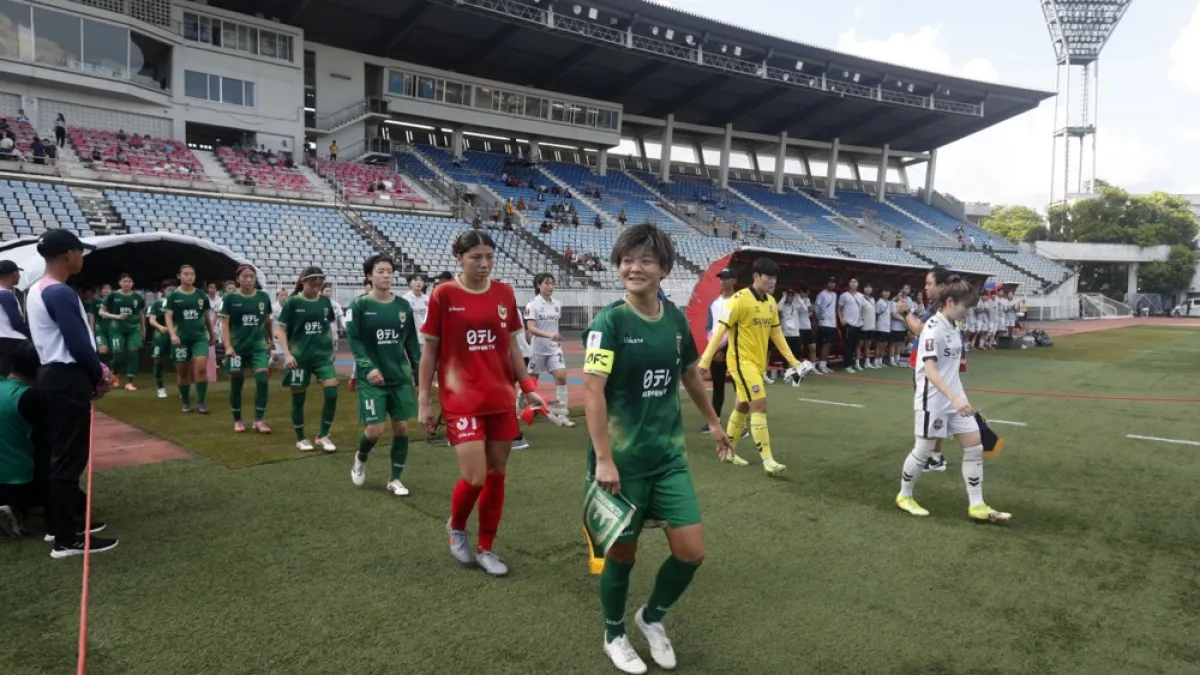
North Korea's Naegohyang Women's FC is set to compete against South Korea's Suwon FC Women in the Asian Champions League semifinal on 20 May. This fixture in Suwon represents the first occasion since 2018 that a North Korean sports team has played within the South. The match occurs against the backdrop of ongoing inter-Korean tensions, as the two nations technically remain at war following an armistice rather than a formal peace treaty.
Civic organisations across South Korea are mobilising volunteers to attend the game, viewing the event as a potential catalyst for reconciliation. The Korean Council for Reconciliation and Cooperation reported enrolling approximately 300 supporters, while the Korean Sharing Movement recruited around 100 within an hour of announcing the initiative. The Hankyoreh Foundation for Reunification and Culture also claims to have secured about 60 attendees. Despite this enthusiasm, the absence of North Korean citizens entering the South means there will be no away fans from the North to support their team.
Significant legal and regulatory hurdles constrain how the match can be conducted. South Korean national security laws strictly prohibit the ownership or display of North Korean flags in public spaces, and playing the North Korean national anthem is similarly illegal. An official at the Ministry of Unification confirmed that only club flags will be permitted in the stadium and that no national anthems will be played. These restrictions align with broader Asian Football Confederation rules that ban political expression within stadiums.
The use of the Korean unification flag, which depicts the entire peninsula in blue on a white background, faces potential limitations under AFC regulations regarding political symbolism. While civic groups hope the event will rekindle the fading flame of peace, the operational framework remains tightly controlled to ensure compliance with both domestic law and continental sporting statutes. This balance between promoting dialogue and maintaining security protocols defines the nature of the engagement.
The stakes for the match are high, with the winner advancing to the final scheduled for 23 May in Suwon. The victor will face either Australia's Melbourne City or Japan's Tokyo Verdy Beleza in the concluding game of Asia's top women's club competition. This tournament structure highlights the continued integration of regional clubs within the Asian Champions League, even as diplomatic relations between neighbouring states remain complex.
The event underscores the delicate interplay between sporting diplomacy and rigid governance in the region. While the presence of hundreds of South Korean supporters signals a desire for connection, the strict adherence to legal prohibitions ensures that the match proceeds without violating national security frameworks. As the teams prepare for the semifinal, the focus remains on the competition itself, operating within a carefully managed environment of political sensitivity.