North Korea launches second ballistic missile in week amid regional tensions
South Korea and Japan condemn the launch as a provocation, while diplomatic ties with Russia and China continue to deepen for the isolated regime.
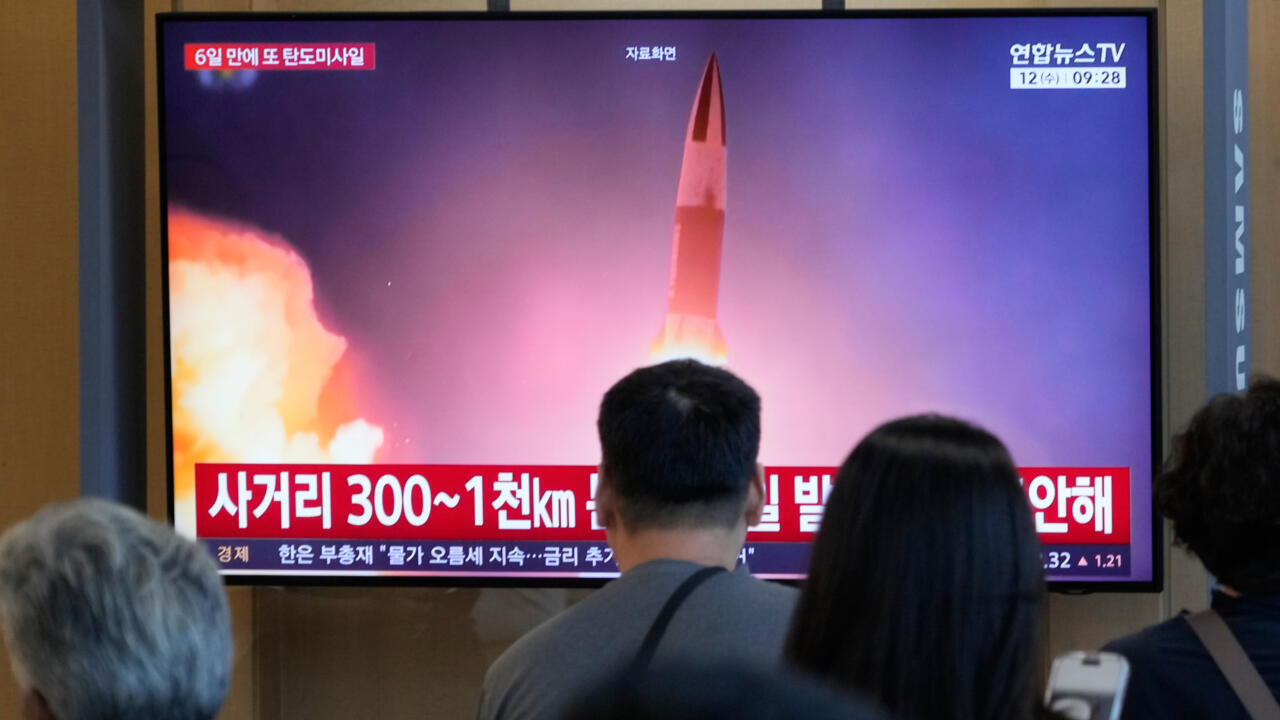
North Korea conducted its second ballistic missile test in less than a week, firing a projectile from the eastern coastal city of Wonsan on Wednesday morning. The launch, which occurred around 6 a.m. local time, saw the missile travel more than 700 kilometres before landing in waters outside Japan’s exclusive economic zone.
The timing of the test coincides with heightened military readiness in the region. South Korea and the United States announced on 14 August that they would commence their annual Ulchi Freedom Shield drills on 17 August. The exercises, involving 18,000 South Korean soldiers and running for 11 days, are designed to bolster defensive capabilities against North Korean threats. Pyongyang has long characterised these joint exercises as rehearsals for invasion.
South Korea’s Joint Chiefs of Staff confirmed the trajectory and origin of the missile, describing the launch as an act of provocation. The South Korean national security council urged an immediate halt to such activities, stating it remains ready to repel any further aggression in cooperation with its American ally. The launch follows a short-range ballistic missile test on 6 August, marking the first such activity from Pyongyang since late June.
Japan’s Defence Ministry detected the launch and lodged a strong protest through embassies in Beijing. Japanese Defence Minister Shinjiro Koizumi described the event as a serious problem affecting the safety of Japanese people. The incident has drawn sharp condemnation from regional neighbours, who view the rapid succession of tests as a destabilising escalation.
Experts suggest North Korea frequently uses the military training of its rivals as a pretext to advance its own weapons programmes. The regime has refused to return to diplomatic talks with the US and South Korea for years, having ramped up testing since high-stakes diplomacy with US President Donald Trump collapsed in 2019. Analysts note that Kim Jong Un may be leveraging his expanded arsenals to seek concessions, such as the relaxation of international economic sanctions.
In a broader geopolitical shift, the isolated state has strengthened ties with major powers outside the traditional diplomatic framework. Kim has deepened cooperation with Russia, supplying troops and ammunition for its war in Ukraine, and recently bolstered relations with China, where President Xi Jinping visited in June for the first time in seven years. Multiple UN Security Council resolutions continue to ban North Korea from launching ballistic missiles, yet the regime persists in its testing activities.