Noreva warns hyperscalers of tripled natural gas costs for AI data centres
Amazon, Google, Meta, and Microsoft are locking in gigawatt-scale natural gas plants in Texas and Louisiana, but Noreva CEO Peter Gardett says declining supply growth and rising exports expose them to severe price volatility.
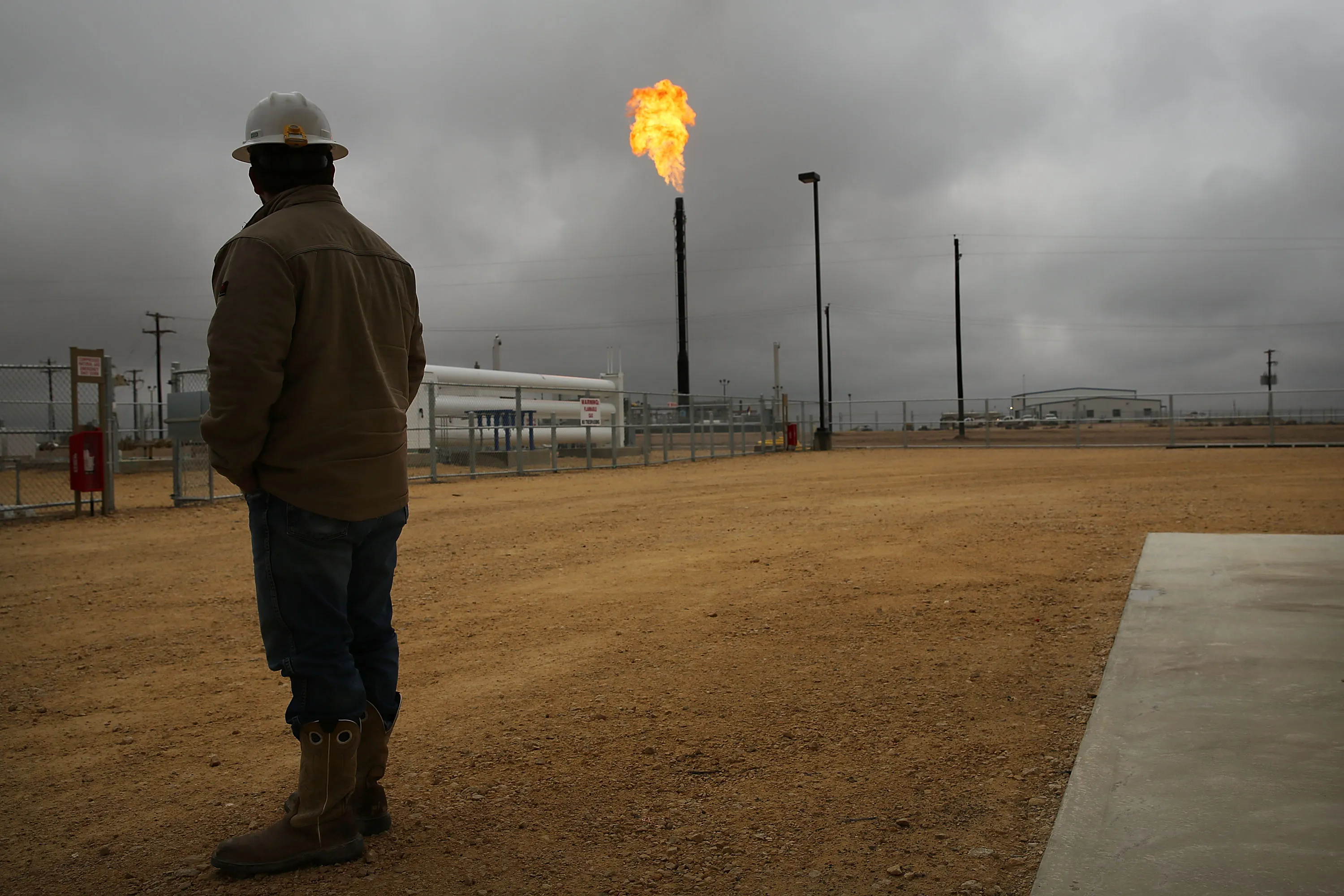
A new report from energy research firm Noreva warns that natural gas prices in parts of the United States could triple in the coming years, potentially imposing massive costs on hyperscalers powering artificial intelligence data centres. The forecast suggests prices in certain hubs could exceed $10 per million BTUs, a sharp rise from current levels of $2 to $4.50 per million BTUs.
Hyperscalers including Amazon, Google, Meta, and Microsoft are investing heavily in natural gas power plants to support their AI infrastructure. Recent announcements include Meta’s plan for a 7.5-gigawatt facility in Louisiana to power its Hyperion data centre, alongside gigawatt-scale plants from Microsoft and Google in Texas. Amazon has also outlined plans for a 7.6-gigawatt gas power plant in the same state.
Noreva CEO Peter Gardett predicts the price surge will be driven by declining supply growth, rising liquefied natural gas exports, and surging AI demand. He noted that new pipelines are connecting West Texas gas supplies to export markets, effectively linking domestic prices to global markets and exposing hyperscalers to significant price volatility.
Fuel represents approximately half the cost of electricity from a large power plant. Gardett stated that at least one investor he spoke with was surprised by the extent of natural gas price risk hyperscalers are taking on, describing their actions as unusual for an off-taker. He warned that even modest price swings near data centres could be magnified elsewhere, leading to extended periods where prices exceed $10 per million BTUs.
The shift marks a departure for technology companies that historically prioritised wind and solar developments. Gardett observed that hyperscalers are entering energy markets with relatively little prior experience, a move that could materially impact their businesses. He suggested that future earnings calls may see executives discussing the correlation between natural gas pricing and search results, highlighting the deepening entanglement with the fossil fuel sector.
This development comes as 80% of consumers are already concerned about the impact of data centres on utility bills. Gardett warned that hyperscalers’ natural gas consumption could add a new dimension to this backlash, potentially driving up consumer electricity and gas bills as companies connect to the grid or absorb higher operational costs.
While futures contracts currently do not anticipate big changes, Gardett cautioned that the market is being lulled into a false sense of security. He argued that simple arithmetic points to a much tighter gas market than existed a few years ago, with new wells becoming more expensive and supply additions failing to keep pace with demand.