NOAA forecasts subdued Atlantic hurricane season as El Nino takes hold
While the weather phenomenon typically suppresses storm development in the Atlantic, officials warn that preparation remains critical given the potential for significant damage from even a single system.
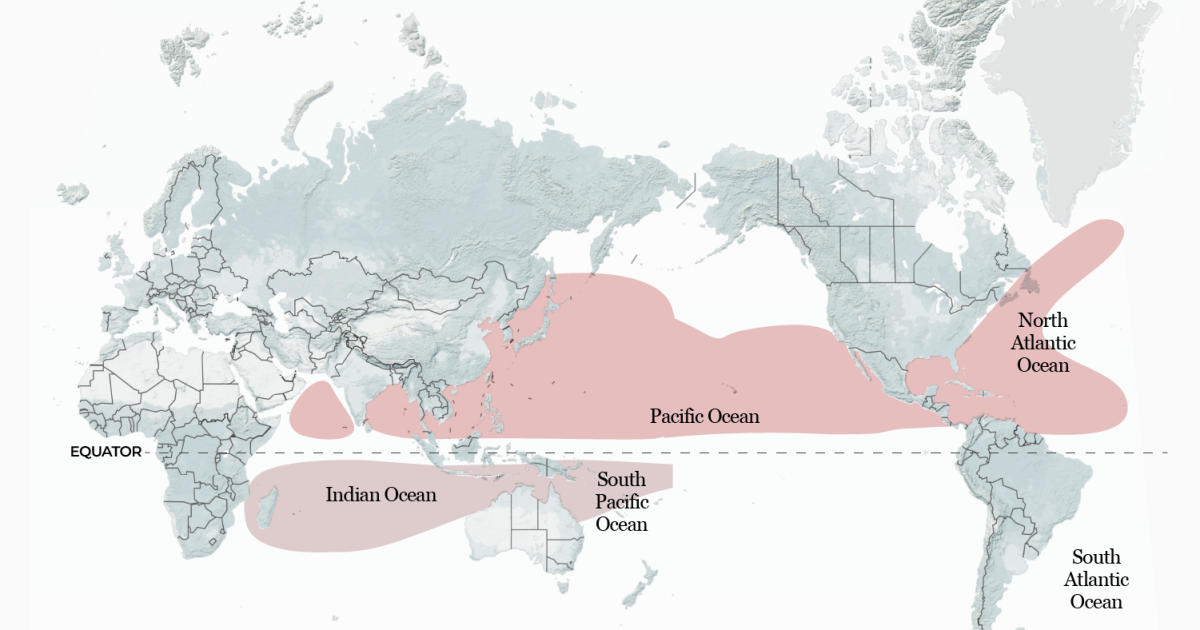
Forecasters at the US National Oceanic and Atmospheric Administration (NOAA) have predicted a quieter-than-usual Atlantic hurricane season for 2026, attributing the reduced activity primarily to the El Nino weather phenomenon. The agency has assigned a 55 per cent chance of below-normal activity, alongside a 35 per cent probability of near-normal conditions and a 10 per cent chance of above-normal activity. This forecast marks a shift from historical averages, where an average season typically sees 14 named storms, seven hurricanes, and three major hurricanes.
El Nino, characterised by the periodic warming of surface sea temperatures in the central and eastern tropical Pacific Ocean, disrupts global wind and rainfall systems. During this phase, trade winds weaken or reverse, allowing warm water to surge east towards the Americas. This atmospheric shift typically suppresses Atlantic hurricane development while increasing storm activity in the Pacific. Historically, El Nino phases have resulted in a 60 per cent reduction in hurricane days and an overall decrease in system intensity within the Atlantic basin.
Despite the statistical likelihood of a quieter season, NOAA National Weather Service Director Ken Graham emphasised that preparation remains essential. He noted that uncertainty persists in how each season will unfold and warned that a single storm can cause significant damage. Tropical storms in the Atlantic remain among the world’s deadliest and costliest natural disasters, with hurricanes in the US alone causing 7,211 deaths and approximately $1.55 trillion in economic losses between 1980 and 2024.
The impact of El Nino extends beyond the Atlantic, reshaping tropical storm patterns globally. In the Pacific, fewer storms form near Australia’s coastline, with activity shifting eastward into the South Pacific near the international dateline. Similarly, in the northwestern Pacific, fewer typhoons form near Asia, with development moving farther east. The southwestern and northern Indian Oceans do not appear to show major changes in storm numbers during this phase.
The 2026 Atlantic storm name list has been released by the World Meteorological Organization, following the retirement of names associated with historically destructive storms. Names such as Katrina, Sandy, Irma, and Maria have been removed from the rotation due to their impact, ensuring that new lists remain clear and effective for public warnings. The season runs from June 1 to November 30, with activity typically peaking in mid-September.