NIL spending surge reshapes college football economics
The Name, Image, and Likeness market has doubled in value in two years, with Big Ten schools projected to spend an average of $48.2 million annually in 2026.
The Name, Image, and Likeness (NIL) market in college football has doubled in value over the past two years, a shift driven by a win-at-all-costs mentality and increasing commercialisation. According to a report from Fox Sports, the financial requirements to compete at the high level have doubled almost every offseason for the last five years, fundamentally altering the governance landscape of the sport.
NIL data provider Opendorse estimates that Big Ten schools will spend an average of $48.2 million annually across all sports in 2026. The Southeastern Conference (SEC) follows closely with an estimated $44.5 million, while the Atlantic Coast Conference (ACC) and Big 12 are expected to spend $29.4 million and $24.3 million respectively. These figures highlight a widening gap in competitive spending between the top-tier conferences.
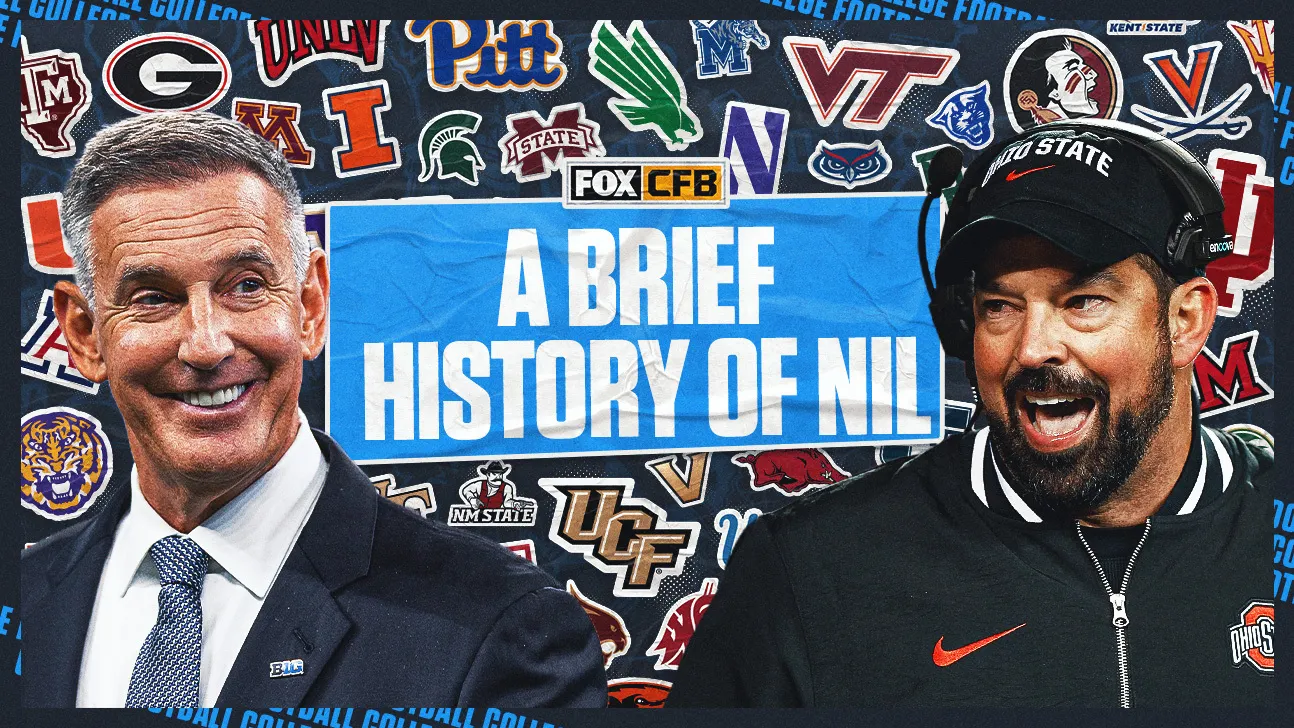
The trajectory of this spending is illustrated by the case of Ohio State. In 2022, head coach Ryan Day stated the Buckeyes needed $13 million in NIL funds to retain their roster. Two years later, Ohio State won the national championship with a $20 million roster, a figure that was then considered the benchmark for elite competition. However, with the 2026 campaign kicking off at the end of the week, that previous figure is now viewed as insufficient for top-tier Power Four competitiveness.
Opendorse co-founder and president Blake Lawrence noted that the same forces driving up coaches' salaries and buyouts are now pushing player compensation to similar heights. He observed that there is a more direct tie between athlete compensation and championship outcomes, making it easier to sell donors on the potential return on investment. Lawrence warned that this dynamic will continue to drive numbers up indefinitely.
The surge in spending has led to discussions involving Congress and threats of breakaway conferences from the NCAA. Conference-level governance in the SEC and Big Ten is also under scrutiny as institutions attempt to manage the escalating costs. Kansas State athletics director Gene Taylor warned that the system may break due to schools over-promising to donors, suggesting that many institutions are already writing checks they cannot cash.
As the 2026 season approaches, the tension between competitive necessity and financial sustainability remains unresolved. While coaches and administrators decry the rising costs, they continue to spend heavily to fund football rosters, leaving the long-term stability of the current model in question.