Nikkei Average Plunges Below 63,000 as US-Iran Tensions Escalate
The Nikkei Average fell by more than 1,800 yen on 11 June 2026 following announcements of additional US defensive attacks against Iran, while the IAEA Council passed a resolution demanding transparency on uranium enrichment.
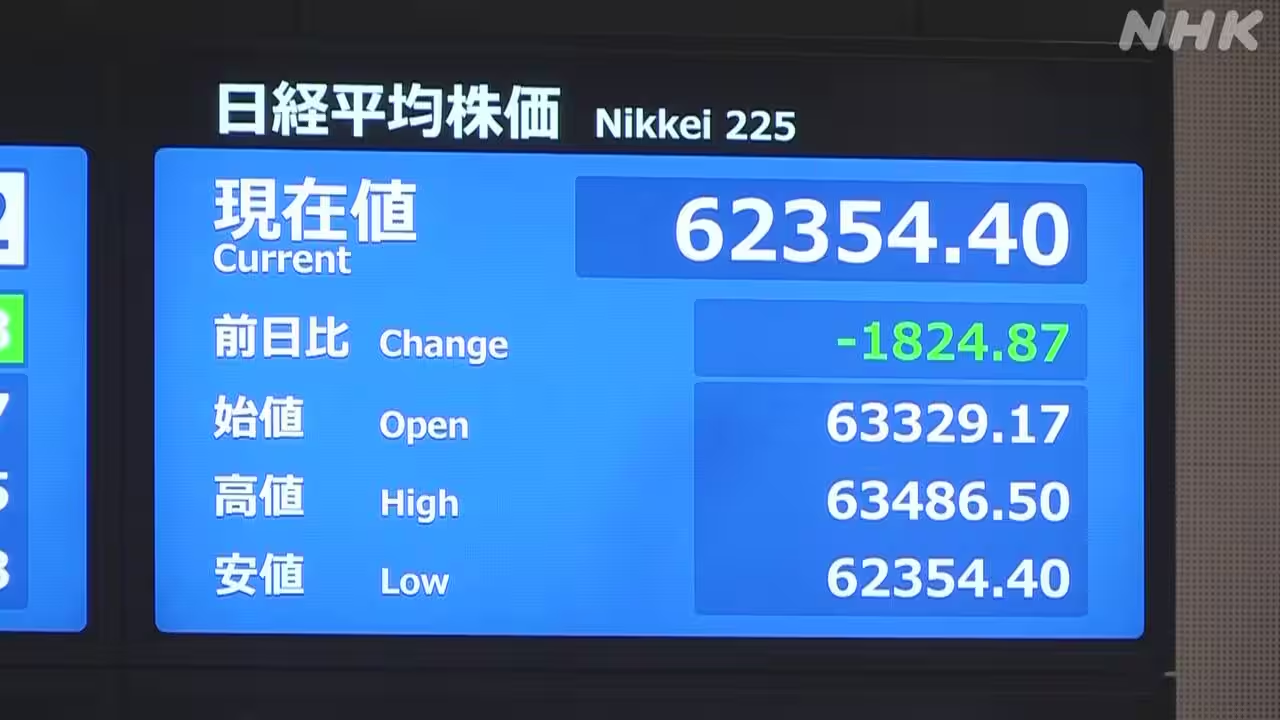
The Nikkei Average in Tokyo experienced a sharp decline on 11 June 2026, dropping by more than 1,800 yen to dip below the 63,000-point mark. The volatility in the Japanese equity market was triggered by reports that the United States had launched additional defensive attacks against Iran, raising immediate concerns regarding a further deterioration of geopolitical stability in the Middle East.
According to NHK News Japan, the intraday fall reflected investor anxiety over the escalating conflict. The market downturn coincided with official announcements from Washington regarding the military operations, which were described as additional measures for self-defence. The rapid escalation has prompted a re-evaluation of risk across Asian financial centres, with the Nikkei’s performance mirroring broader global apprehensions about regional security.
Concurrent with the market turmoil, the International Atomic Energy Agency (IAEA) Council passed a resolution on the same day. The resolution formally requests that Iran provide information regarding its highly enriched uranium programme and allow for inspections. This diplomatic move adds a layer of institutional scrutiny to the military developments, highlighting the dual nature of the crisis involving both kinetic conflict and nuclear non-proliferation concerns.
The current tensions are set against a backdrop of long-standing diplomatic friction. Historical analysis notes that the origins of the US hardline stance on Iran date back 47 years, suggesting that the current escalation is part of a protracted geopolitical struggle rather than an isolated incident. The combination of immediate military action and historical context has contributed to the uncertainty driving the market decline.
While the exact final closing value of the Nikkei Average was not specified, the intraday drop below 63,000 points underscores the sensitivity of financial markets to geopolitical shocks. The situation remains fluid, with the IAEA resolution and US military actions occurring simultaneously, creating a complex environment for policymakers and investors alike.