Niijima village reports over 60,000 Imperial Japanese Army munitions processed in ongoing cleanup
The Niijima Village administration in Tokyo has confirmed that more than 60,000 abandoned artillery shells and bullets from the Imperial Japanese Army have been discovered and processed, with approximately 1,500 items handled in the current year.
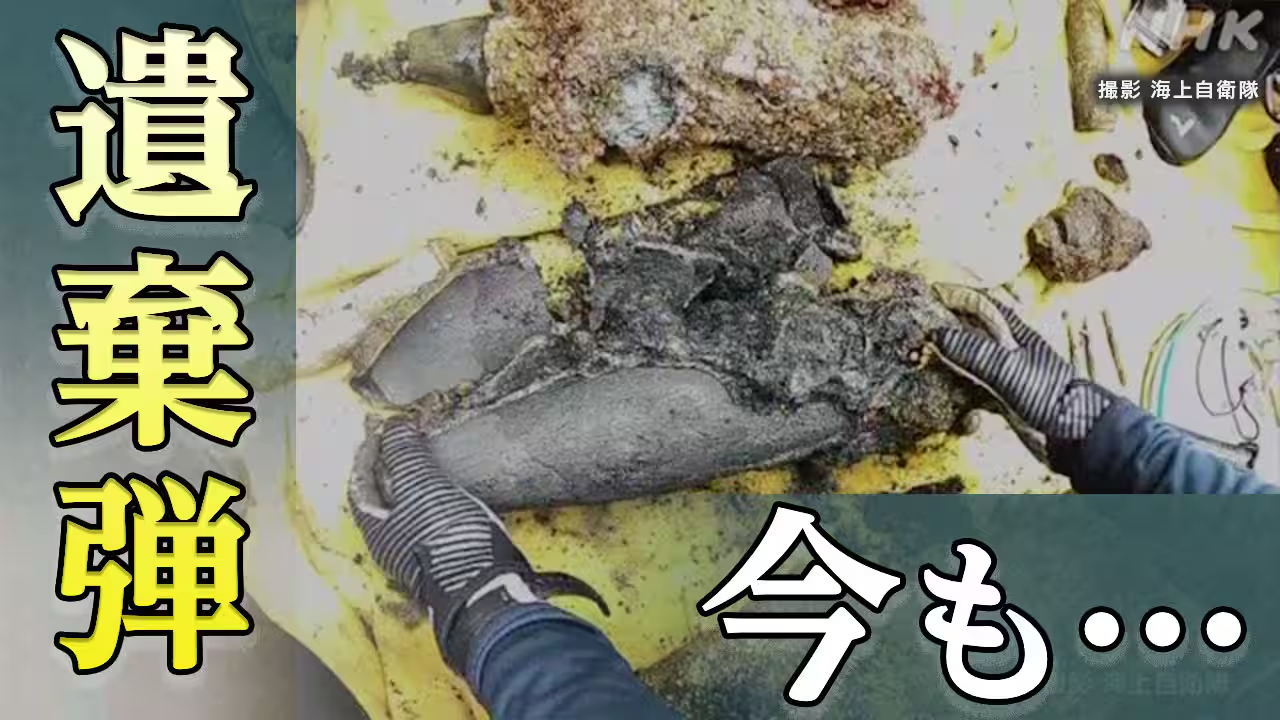
The Niijima Village administration has reported that more than 60,000 abandoned munitions from the Imperial Japanese Army’s Pacific War era have been discovered and processed on the island. These items, comprising artillery shells and bullets, were recovered from the sea and other locations on Niijima, a village within Tokyo.
According to data released by the village, approximately 1,500 munitions were found and processed in the current year, 2026. The figures represent items that have been both located and safely handled, rather than the total original stockpile deployed during the conflict.
Officials noted that cleanup efforts remain ongoing more than 80 years after the conclusion of the war. The Niijima Village administration highlighted the persistent nature of these post-war operations, underscoring the long-term logistical and safety challenges associated with managing historical military remnants.
The recovered ordnance dates back to the Pacific War, reflecting the island’s historical role during the conflict. The continuous discovery of these items, even after eight decades, indicates that significant quantities of unexploded or abandoned ordnance remain buried or submerged in the local environment.
NHK News Japan reported the findings, noting that the village’s statement regarding the ongoing cleanup was truncated in initial broadcasts. The administration’s emphasis on the passage of time since the war serves to contextualise the scale of the remaining cleanup task for residents and local authorities.
The processing of these munitions is a critical component of local safety and environmental management. While the specific methods used for neutralisation or disposal were not detailed in the source material, the term "processed" implies that the items have been rendered safe.
This ongoing work coincides with the 80th anniversary of the end of World War II, a milestone that has prompted broader reflection on post-war remembrance and the physical legacy of the conflict across Japan. The Niijima case illustrates the tangible, long-term responsibilities that persist for communities with significant wartime histories.
As cleanup operations continue, the village administration maintains that the work is far from complete. The discovery of new munitions in the sea and on land suggests that the total number of items requiring attention may exceed the current cumulative figures.