Nigeria's creative sector turns to artificial intelligence to safeguard oral history
A shift from Silicon Valley discourse sees local artists using digital tools to preserve culture, though the scale of adoption remains limited
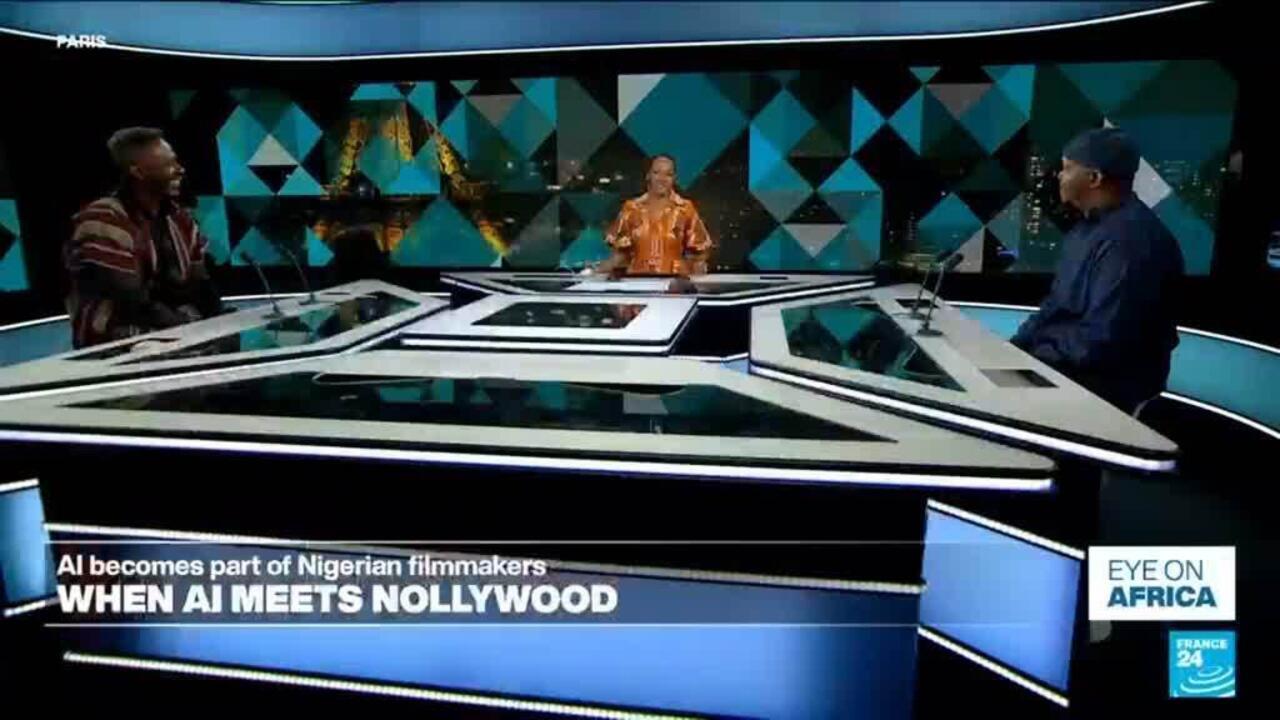
Artificial intelligence has moved beyond the exclusive domain of Silicon Valley to become a central element of Africa's creative revolution. In Nigeria, this technological shift is manifesting within Nollywood, where filmmakers and digital artists are actively experimenting with AI tools to generate film content and archive disappearing oral histories.
The urgency of this initiative stems from the recognised risk that traditional oral traditions are fading. To counteract this loss, Obinna Okere-keocha, founder of the Naija Artificial Intelligence Film Festival, is collaborating with filmmaker Malik Afegbua to establish digital archives. These institutions aim to systematically record oral histories that might otherwise be lost to time.
According to the Naija Artificial Intelligence Film Festival, the primary objective of integrating these technologies is to create films and preserve cultural narratives without compromising their authenticity. The creators emphasise that the application of AI must occur without losing the soul of African storytelling, ensuring that the resulting narratives remain culturally grounded despite the technological intervention.
This development marks a significant divergence from global trends, positioning African creative industries as active participants in the broader debate surrounding artificial intelligence. Rather than merely consuming technology developed elsewhere, local practitioners are adapting these tools to address specific regional challenges regarding heritage preservation and future storytelling.
However, the extent of this movement remains confined to specific individuals and initiatives at this stage. While Okere-keocha and Afegbua are leading these preservation efforts, the source material does not provide details on the technical methodologies employed or the current scale of the digital archives being constructed.
Consequently, the broader industry-wide adoption of AI for these purposes remains unclear. The current activity represents a pilot phase where the intersection of global technology and local culture is being tested, with the potential to reshape how African futures are imagined and documented.