Nigeria’s anti-corruption drive faces scrutiny as conviction rates diverge between elected and appointed officials
The arrest of former power minister Saleh Mamman highlights a broader institutional challenge: while appointed officials face higher conviction rates, elected politicians often exploit complex legal frameworks to prolong proceedings.
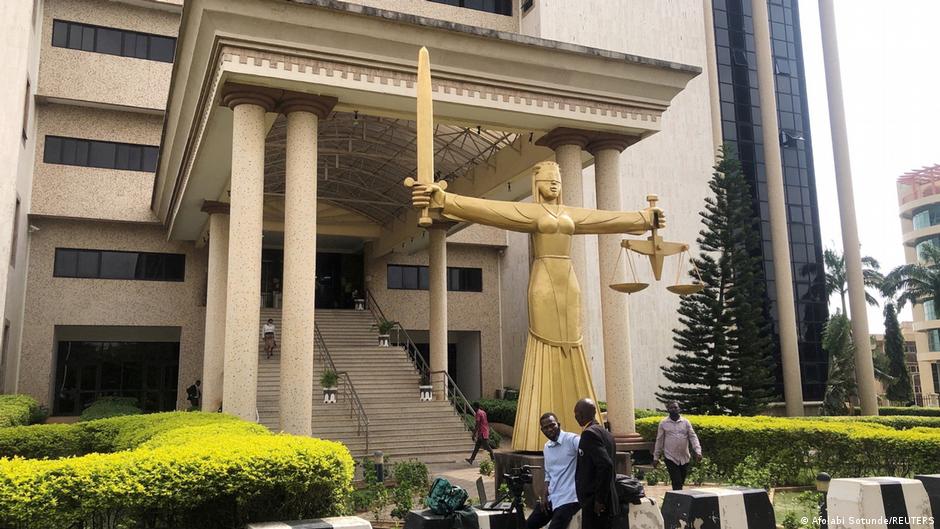
The arrest of former Nigerian Minister of Power Saleh Mamman in Kaduna has intensified debate regarding the efficacy of the country’s anti-corruption framework. Mamman, who served under President Muhammadu Buhari’s administration from 2015 to 2021, was taken into custody by the Economic and Financial Crimes Commission (EFCC) after being sentenced in absentia to 75 years in prison. The conviction relates to the laundering of 33.8 billion naira ($24.6 million) linked to government-financed hydroelectric projects, including the Mambilla and Zungeru power plants. A judge has ordered Mamman to repay 22 billion naira to the state.
This high-profile detention follows the recent sentencing of former acting accountant-general Chukwunyere Nwabuoku, who received a 72-year prison term for money laundering. However, these cases represent a minority within a broader judicial landscape characterised by significant delays. A review of 393 corruption cases between 2013 and 2026 by the research organisation Dataphyte indicates that only 144 have reached final judgment. More than 60% of these cases, involving alleged corruption worth 3.61 trillion naira, remain pending at various stages of trial.
Data analysis reveals a stark disparity in accountability between different tiers of public service. Of the 324 appointed officials charged during the review period, a significantly higher proportion have been convicted compared to elected officials. In contrast, only six of the 33 former governors prosecuted have secured final convictions, with some verdicts later overturned on appeal or pardoned. Legal experts attribute this gap to the structural complexity of cases involving elected leaders, who often utilise political connections and top-tier legal representation to delay proceedings.
Amina Umaru Miango, a legal expert at the Center for Journalism Innovation and Development, noted that the strategy for many exposed politicians is to prolong the process until a favourable government comes into power. "Where there is clear evidence of a crime, the strategy is often to keep delaying until they can negotiate a settlement," Miango said. She highlighted that elected officials possess the resources and networks necessary to exploit these judicial bottlenecks, undermining public confidence in the justice system.
David Alechenu, team lead at the Nigeria Anti-Corruption Agencies Strengthening Project, described the issue as a structural challenge rather than a failure of a single institution. He argued that elected officials control larger budgets and patronage networks, leading to investigations involving multiple agencies and cross-border transactions that naturally extend timelines. To address these inefficiencies, Alechenu has recommended the establishment of specialized fast-track courts with dedicated judges and streamlined procedures to reduce congestion and repeated adjournments.
The scale of the problem remains substantial, with Nigeria losing an estimated $18 billion annually to corruption and financial crimes. Contract fraud accounts for roughly 90% of cases in the public procurement sector. While recent convictions signal a push for greater accountability, analysts caution that isolated cases are insufficient. The real test for Nigeria’s governance, they argue, lies in whether anti-corruption efforts can become systematic, preventive, and institutionalised rather than relying on sporadic high-profile arrests.