Nigeria’s ‘algorithmic apothecary’ drives surge in herbal health risks
Doctors and regulators warn that the digital promotion of herbal cures is delaying treatment and straining a fragile healthcare system.
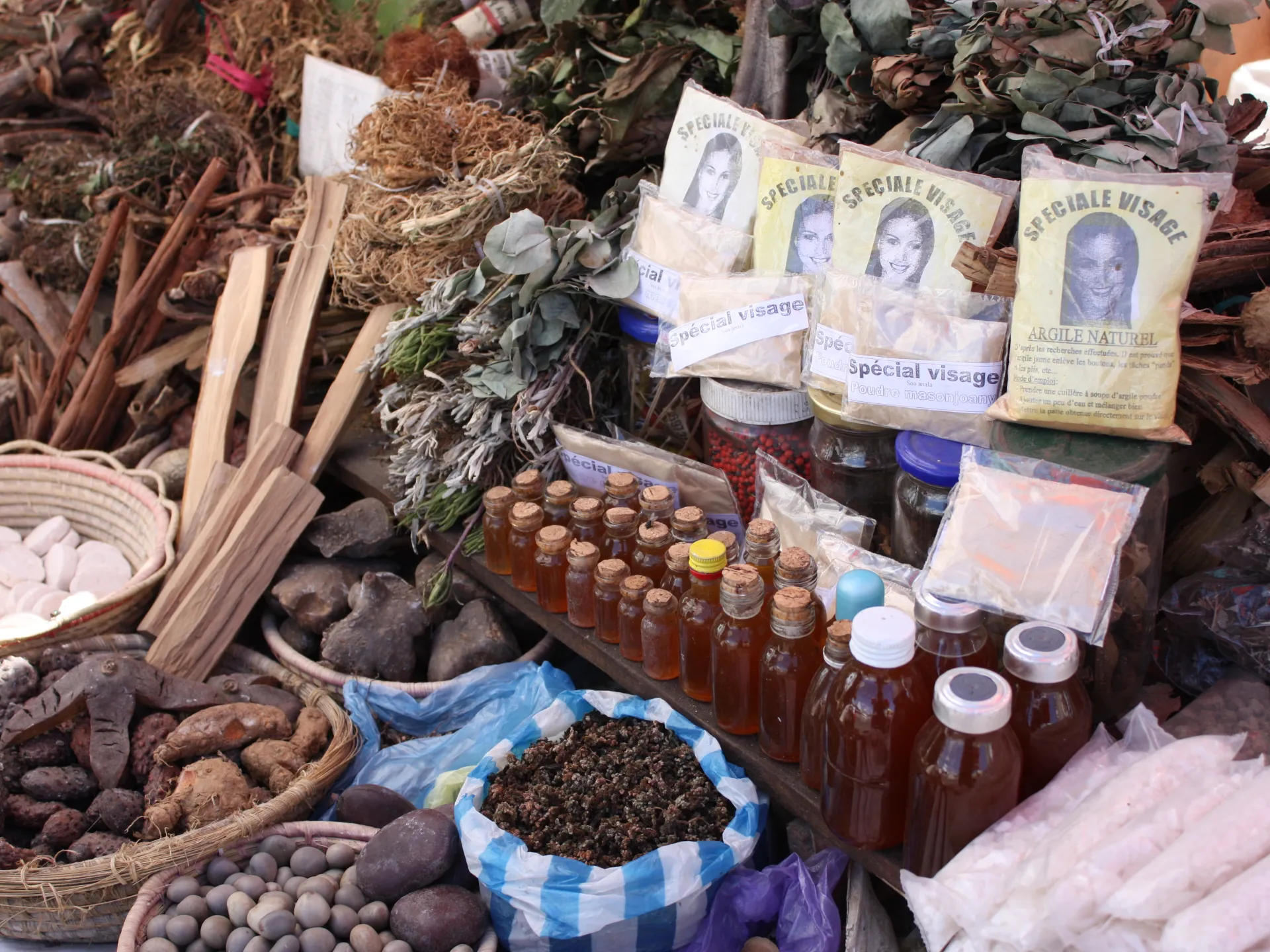
A surge in unverified herbal remedies promoted via social media algorithms is driving rising health risks and delayed treatment in Nigeria. Users report adverse reactions, including kidney and liver stress, from products such as the Jinja Herbal Mixture and unregulated eye treatments. Doctors and pharmacists warn that the 'algorithmic apothecary' exacerbates strain on the healthcare system, with patients often arriving late after prolonged use of unverified products. The National Agency for Food and Drug Administration and Control (NAFDAC) cites weak enforcement and fake addresses as barriers to regulation, while experts call for improved healthcare access and platform accountability.
Specific case studies highlight the dangers: Oke Bola experienced breathing difficulties after taking Jinja Herbal Mixture, while Temi Ahondiwura’s vision worsened after using a Facebook-marketed herbal eye treatment. A 2025 study, The Toxicological Evaluation of Jinja: A Local Herbal Mixture (LHM), found the product appeared safe for short-term use within tested dosage ranges but recorded biochemical changes (altered creatinine and sodium levels) at higher doses, indicating possible kidney and liver stress. Dr Yemi Raji, a consultant nephrologist at the University College Hospital in Ibadan, stated that 5-7 percent of his kidney disease patients fall into the category of herbal medication users, with dialysis costing between 50,000 and 100,000 naira ($36-72) per session.
A 2022 study found that 76.65 percent of participants had used herbal medicine, with 82.44 percent not informing their doctors. Dr Isaac Kolawole, NAFDAC’s southwest zonal director, noted that many sellers use fake or incomplete addresses, making them difficult to trace. Dr Egemba Chinonso Fidelis highlighted that scammers have used AI-generated versions of his image to promote fake products. A report by Surjen Healthcare links rising self-medication to easy access to health information online, associating this trend with rising drug resistance and late hospital admissions.