Nigerian authorities proceed with reintegration of over 700 former Boko Haram fighters despite community resistance in Borno state
Officials maintain rigorous screening ensures low-risk individuals are cleared for return, yet residents in Maiduguri demand relocation and restitution for displaced victims
Nigerian authorities have authorised the reintegration of more than 700 former Boko Haram fighters into civilian society under the Operation Safe Corridor deradicalisation programme. This latest wave marks a continuation of the policy initiative launched in 2016, which has seen over 2,000 individuals pass through its screening and rehabilitation processes since inception. Government officials assert that the programme is essential to ending the decade-long insurgency and that only those assessed as low-risk are released back into communities after undergoing psychological counselling and vocational training.
Despite official assurances that participants undergo rigorous vetting by the Department of State Services and assessment by community leaders, significant pushback has emerged in Borno state. Residents express deep scepticism regarding the safety of returning combatants, citing a lack of trust in the rehabilitation process and fears that the initiative may reignite violence in areas already scarred by extremist attacks. The policy is viewed by many locals as reopening wounds that have yet to heal, particularly in the context of recent instability.
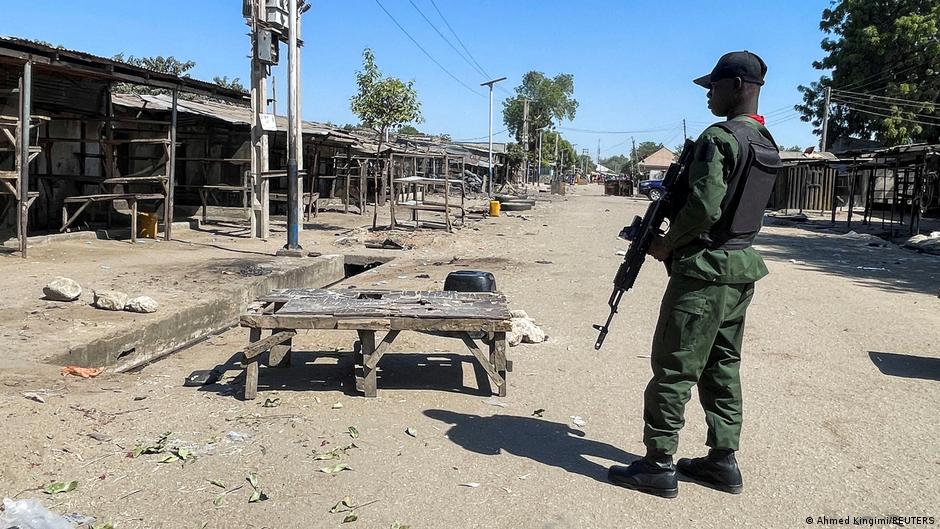
Recent violent incidents in Maiduguri have intensified these community concerns, with fears linking the unrest to the reintegration process. Attacks including a bomb blast at the University of Maiduguri Teaching Hospital and the Monday Market have heightened anxiety among residents. Local voices, such as Muhammad Sharif, argue that the current arrangement is improper, suggesting that former fighters should be relocated to different local government areas to prevent them from living among the populations they previously targeted.
Critics of the policy highlight a perceived injustice in rehabilitating former perpetrators while victims remain in Internally Displaced Persons camps without restitution. Lawyer Ahmed Abubakar has raised concerns about the fairness of the situation, questioning why individuals who caused displacement are being reintegrated while those displaced have not received justice. He notes that while international law permits reintegration, state authorities have not been clear regarding the specific involvement levels of those being returned to society.
While former security officials maintain that past cohorts have been accepted without negative reports, the sentiment on the ground remains divided. Some residents acknowledge the theoretical merit of the programme but point to instances where surrendered fighters allegedly threatened to return to the insurgency when government promises were not fulfilled. This gap between policy intent and community reality has led to calls for a more cautious approach to integration.
The debate continues to centre on whether the programme offers a genuine path to peace or merely recycles individuals into volatile environments. As the government pushes ahead with the current wave, the tension between the need to end the insurgency and the demand for community safety and justice remains unresolved in the northeast.