Nigeria-South Africa ties strained as returnees grapple with trauma
Nigerian nationals returning from South Africa are seeking to recover from psychological trauma sustained during widespread protests, while bilateral relations face significant diplomatic pressure.
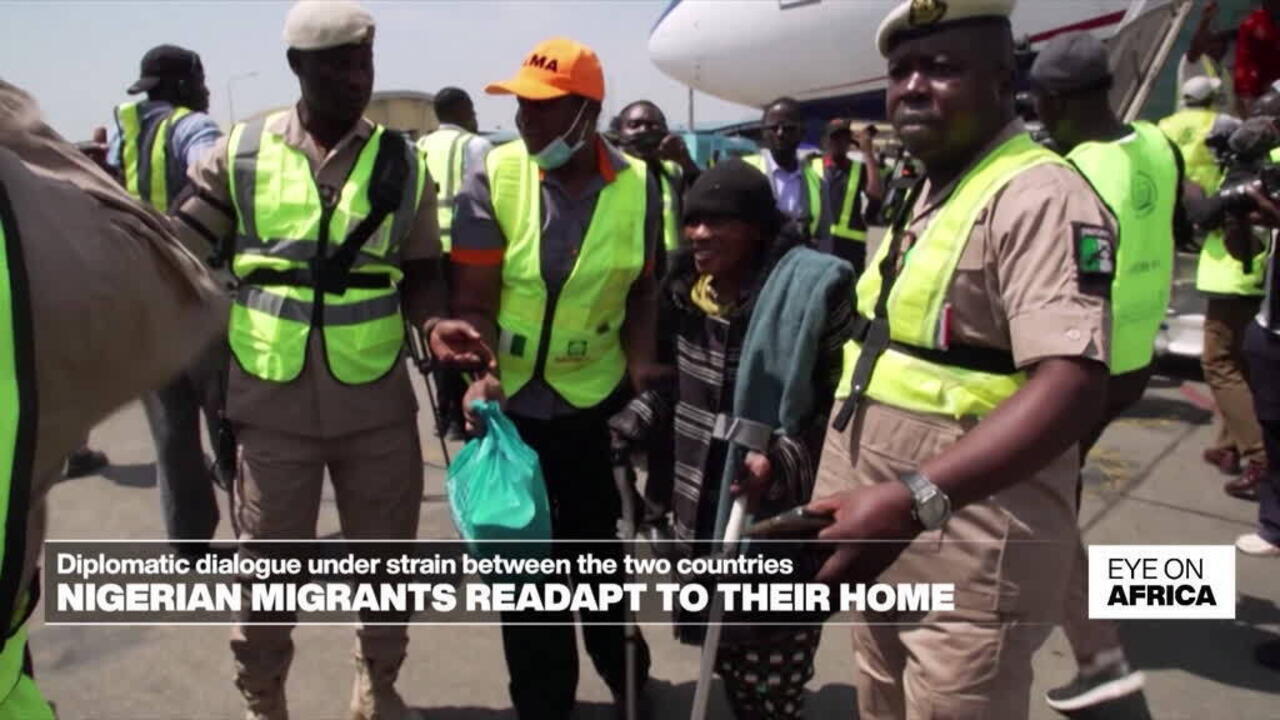
Nigerian returnees are currently attempting to re-adapt and recover from the trauma experienced during months of xenophobic protests in South Africa, according to a report by France 24 International. The ongoing psychological challenges faced by these individuals underscore the human cost of the unrest, which has simultaneously strained diplomatic relations between the two nations.
The protests, which have persisted for several months, have created a volatile environment for Nigerian nationals residing in South Africa. The resulting displacement and violence have left many returnees grappling with significant psychological distress as they attempt to reintegrate into their home country. The report highlights the difficulty these individuals face in trying to forget the traumatic events they witnessed or endured.
Beyond the immediate humanitarian concerns, the unrest has had tangible geopolitical consequences. Diplomatic ties between Nigeria and South Africa, widely regarded as two of Africa’s major economic powerhouses, have been frayed by the crisis. The strain on bilateral relations reflects the broader instability caused by the xenophobic violence, complicating diplomatic engagement between the two states.
The coverage, sourced from France 24’s “Eye on Africa” programme, places the Nigerian situation within a wider regional context. The broadcast also noted developments in Chad, where authorities claim that cooperation with General Khalifa Haftar’s Libyan National Army has improved security along their shared border.
Additionally, the report touched on security enforcement in Liberia, where the country has appointed a new drug enforcement official. This move comes as Liberia intensifies its crackdown on illicit substances, following two record-breaking cocaine seizures in recent weeks.
The current diplomatic and humanitarian landscape in Southern Africa remains complex. As Nigerian returnees continue their recovery process, the long-term implications for Nigeria-South Africa relations remain uncertain, with the xenophobic protests serving as a persistent source of tension.
The situation illustrates the intersection of domestic security failures and international diplomatic fallout. While the focus remains on the re-adaptation of returnees, the broader implications for regional stability and bilateral cooperation between African powerhouses continue to evolve.