Nigeria security crisis deepens as Zamfara attacks kill at least 20
The death toll in Zamfara State rises following coordinated village invasions, underscoring the persistent failure of state security apparatuses to contain banditry and ransom-driven violence.
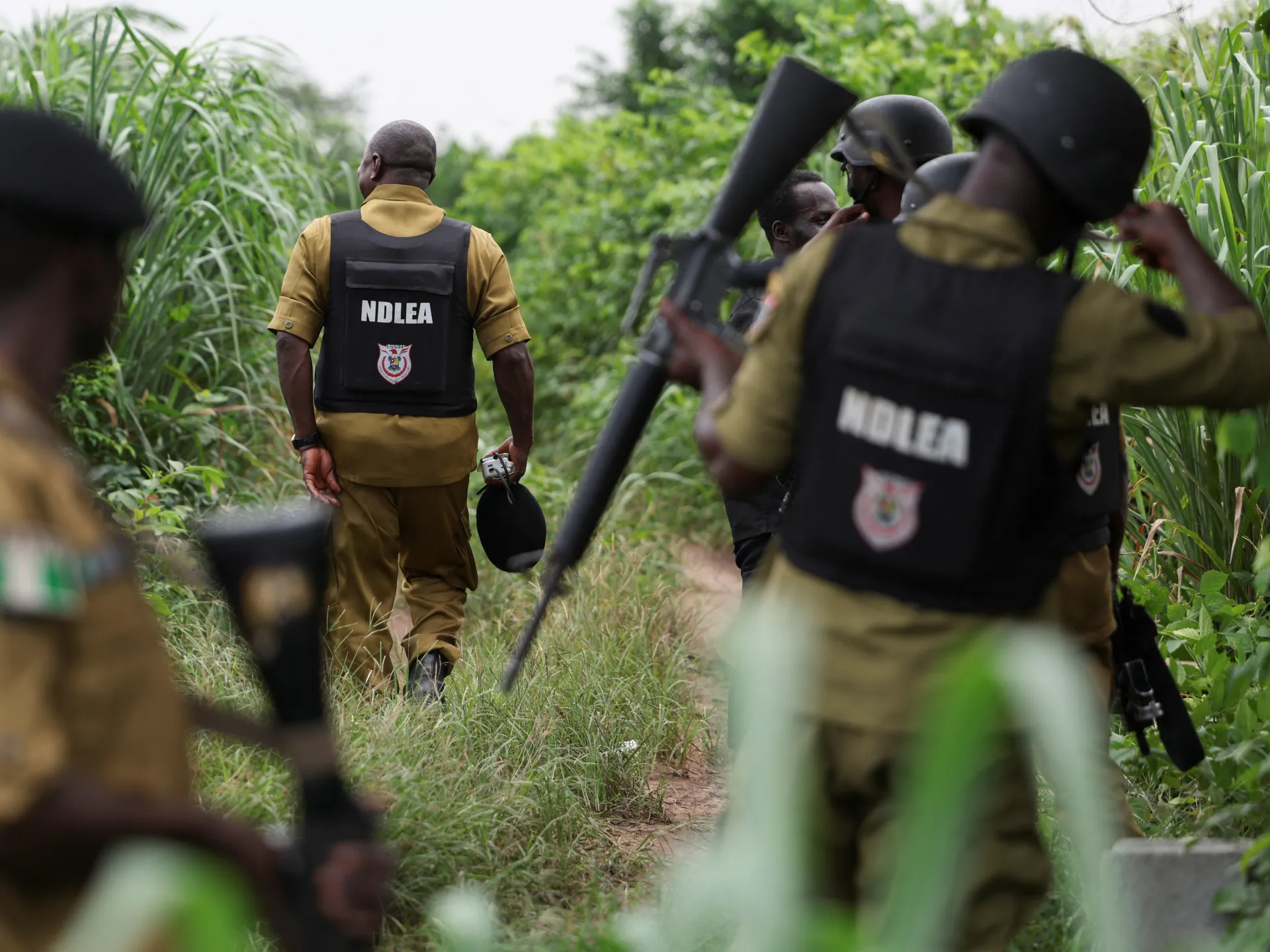
At least 20 people have been killed in northwest Nigeria after armed gangs invaded villages in Zamfara State on Wednesday, marking another escalation in the country’s protracted security crisis. Local officials confirmed that the attackers targeted all residents encountered during the incursions, which occurred between 14:00 and 15:00 GMT. The incident highlights the growing inability of state authorities to protect civilian populations in regions increasingly dominated by organised criminal networks.
Nasiru Lauwali, the representative of the Sauna district in the Talata Mafara local government zone, told the AFP news agency that a large number of bandits had invaded the communities. The nature of the assault, described as indiscriminate targeting of inhabitants, reflects a broader pattern of violence across northwest and central Nigeria. Armed gangs have increasingly utilised such raids to destabilise local governance structures while pursuing economic gains through the theft of livestock and the abduction of residents for ransom.
The violence in Zamfara follows a series of security operations across the country, indicating a complex and multi-front conflict. Late on Tuesday, security forces in Kwara State killed at least three suspected bandits and rescued a businessman, Tuhkur Sanni. These engagements underscore the reactive nature of current security strategies, which often focus on tactical interventions rather than addressing the systemic drivers of banditry.
Kidnapping for ransom has emerged as a primary revenue stream for these groups, with SBM Intelligence reporting that attackers earned more than $1.6 million in such payments in 2024 alone. This financial incentive sustains the operational capacity of armed gangs, allowing them to procure weapons and maintain logistical networks despite periodic military crackdowns. The economic dimension of the crisis complicates efforts to secure lasting peace, as the profitability of crime continues to outweigh the risks for many participants.
The security environment is further complicated by the ongoing Boko Haram rebellion in the northeast, which diverts resources and attention from other volatile regions. In a related development in Oyo State, Defence Minister Christopher Musa revealed that suspects involved in the kidnapping of 56 students and teachers had planned to use the hostages as leverage to pressure the government into releasing imprisoned commanders. President Bola Tinubu announced that eight suspects were arrested and an unspecified number killed during the rescue operation, which ended after the hostages were held for 56 days.
As assessments of the Zamfara casualties continue, the final toll may rise, reflecting the chaotic aftermath of such attacks. The convergence of banditry, insurgency, and criminal ransom networks presents a significant challenge to the Nigerian government’s governance agenda. Without a coordinated policy approach that addresses both the security and economic roots of the violence, the cycle of raids and kidnappings is likely to persist across the nation’s most vulnerable regions.