Nigeria reports 19 million children out of school due to kidnapping fears
France 24 reports that 27% of Nigerian children are not attending classes, with abduction threats cited as a primary obstacle to education following the rescue of 46 hostages in Oyo state.
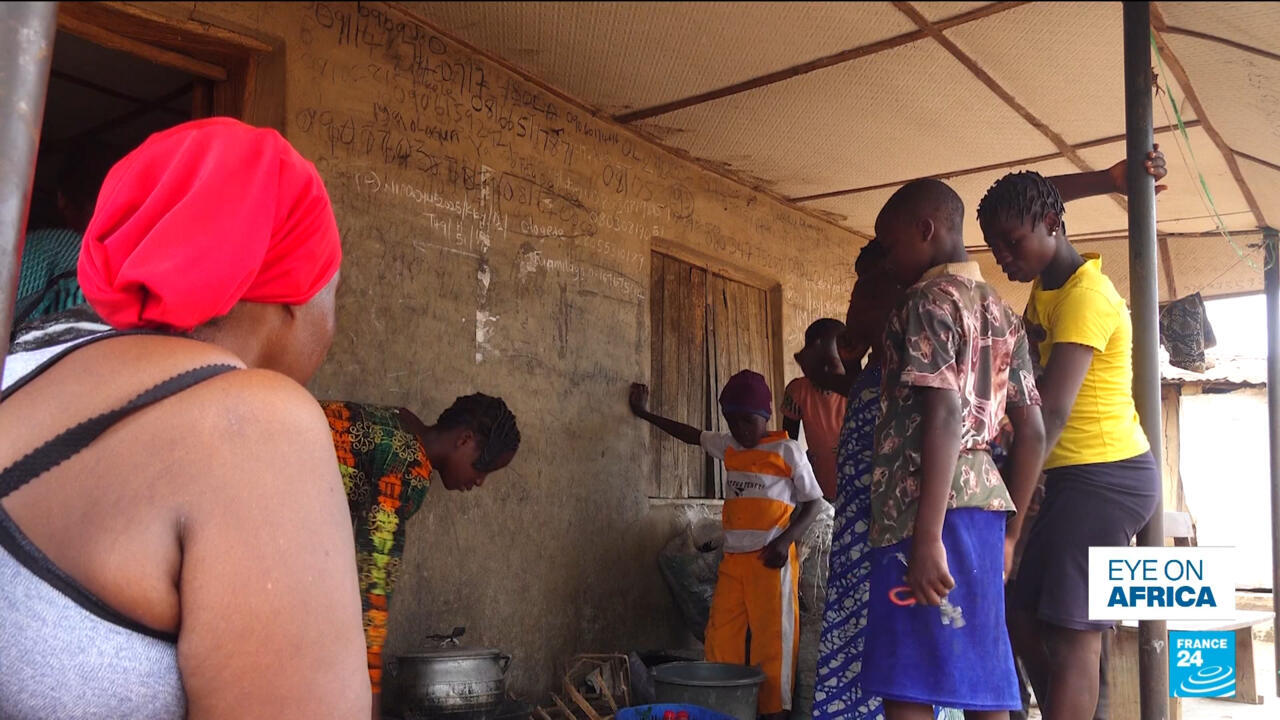
Nigeria is facing a severe educational crisis, with reports indicating that 19 million children are currently out of school due to fears of kidnapping. According to data highlighted by France 24 International, 27% of children nationally are not attending classes, a figure that places the country among those with the highest out-of-school rates globally. The threat of abduction is cited as one of the most significant obstacles preventing children from pursuing their education.
The scale of the issue was underscored by the recent abduction and subsequent rescue of 46 children and teachers in Oyo state, located in southwestern Nigeria. The individuals were taken on 15 May and were successfully rescued and reunited with their families on 10 July. This incident serves as a stark reminder of the ongoing security challenges affecting educational institutions across the region.
Mass school kidnappings have persisted in Nigeria since the dramatic abduction of schoolgirls in Chibok in 2014. That event marked the beginning of waves of similar incidents, embedding kidnapping fears deeply into the social fabric of communities. The persistence of these threats continues to disrupt schooling and destabilise local governance structures responsible for student safety.
While the 27% out-of-school rate reflects a complex set of socioeconomic and logistical factors, the security dimension remains a dominant driver. The inability of families and institutions to guarantee safety in schools has led to widespread avoidance of formal education, exacerbating the national deficit in educational access.
The situation in Oyo state illustrates the broader national trend, where even recent rescues do not immediately alleviate the pervasive fear that keeps millions of children at home. As the government grapples with these security failures, the long-term impact on Nigeria’s human capital and social stability remains a critical concern for policymakers and international observers alike.