Nigeria military and officials report release of hundreds from Boko Haram captivity
Authorities confirm the freeing of women and children abducted from the Ngoshe area, though the exact mechanism of their release remains disputed between military and local representatives.
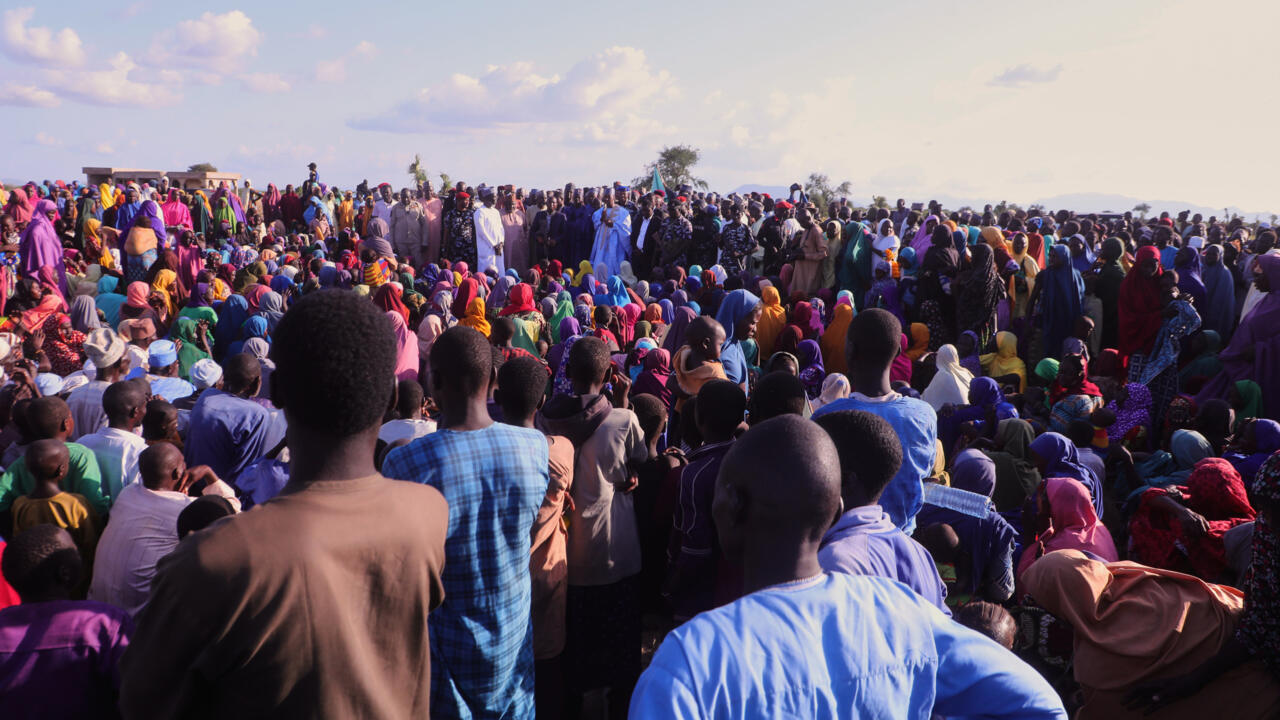
Hundreds of women and children abducted by Boko Haram jihadists in northeastern Nigeria were released over the weekend, marking a significant development in the region’s ongoing security crisis. Local representatives and government officials confirmed the liberation of individuals taken from the Ngoshe area in Borno state, although discrepancies in the total number of freed captives have emerged between different sources.
Samaila Kaigama, president of the Borno South Youth Alliance (BOSYA), stated that his organisation secured the release of 416 women and children who had been abducted from Ngoshe on Saturday. This figure was corroborated by Senator Mohammed Ali Ndume, a representative from Borno, who confirmed the release to AFP. The release comes amid a broader kidnapping crisis in Nigeria, where armed groups, including jihadists and bandit gangs, have increasingly utilised ransom demands as a primary tactic.
In a separate statement, the Nigerian military claimed responsibility for an intelligence-led rescue operation that freed 360 people. The military asserted that troops conducted psychological operations to sow mistrust within insurgent ranks prior to launching an assault phase. The armed forces noted that the victims had been held under harsh conditions in the Ngoshe axis, an area located less than 10 kilometres from the Cameroonian border in the Gwoza hills, a known Boko Haram stronghold.
The humanitarian toll of the captivity was underscored by the death of two infants, who succumbed to exhaustion resulting from prolonged captivity and the harsh terrain. Daniel Bwala, a spokesman for President Bola Tinubu, reported the deaths on social media, highlighting the severe physical deterioration suffered by those held by the militants. The military’s account of the operation contrasts with the local narrative of a secured release, leaving the precise method of liberation unclear.
Authorities have denied paying ransoms for the captives, despite militants having demanded millions of naira. This denial persists even as analysts note that ransom payments are a common practice involving both government entities and victims’ families. A report by SBM Intelligence, a Lagos-based consultancy, indicated that ransom payments raised approximately $1.66 million between July 2024 and June 2025, reflecting the scale of the financial burden imposed by the insurgency that has plagued Nigeria since 2009.
The Ngoshe incident occurs in a region that has faced repeated attacks and serves as a focal point for Boko Haram activities. Since the jihadist insurgency erupted in 2009, it has killed tens of thousands of people and displaced millions across the country. The conflicting reports regarding the number of freed individuals and the method of their release underscore the complex operational environment in which Nigerian security forces and local communities navigate the persistent threat of armed groups.
As investigations into the specifics of the operation continue, the release of hundreds of civilians remains a critical event in the long-running conflict. The disparity between the 416 individuals confirmed by local representatives and the 360 freed by the military suggests ongoing challenges in coordinating information during rescue missions. The event highlights the enduring volatility in Borno state and the persistent efforts by various actors to mitigate the impact of the insurgency on civilian populations.