Niger confirms 49 deaths in Sahara desert after vehicle breakdown
At least 49 people died of thirst in northern Niger after a truck carrying passengers returning from Mali broke down in a remote district. The incident highlights the lethal risks facing travellers in the region, which serves as a transit route for migrants and refugees.
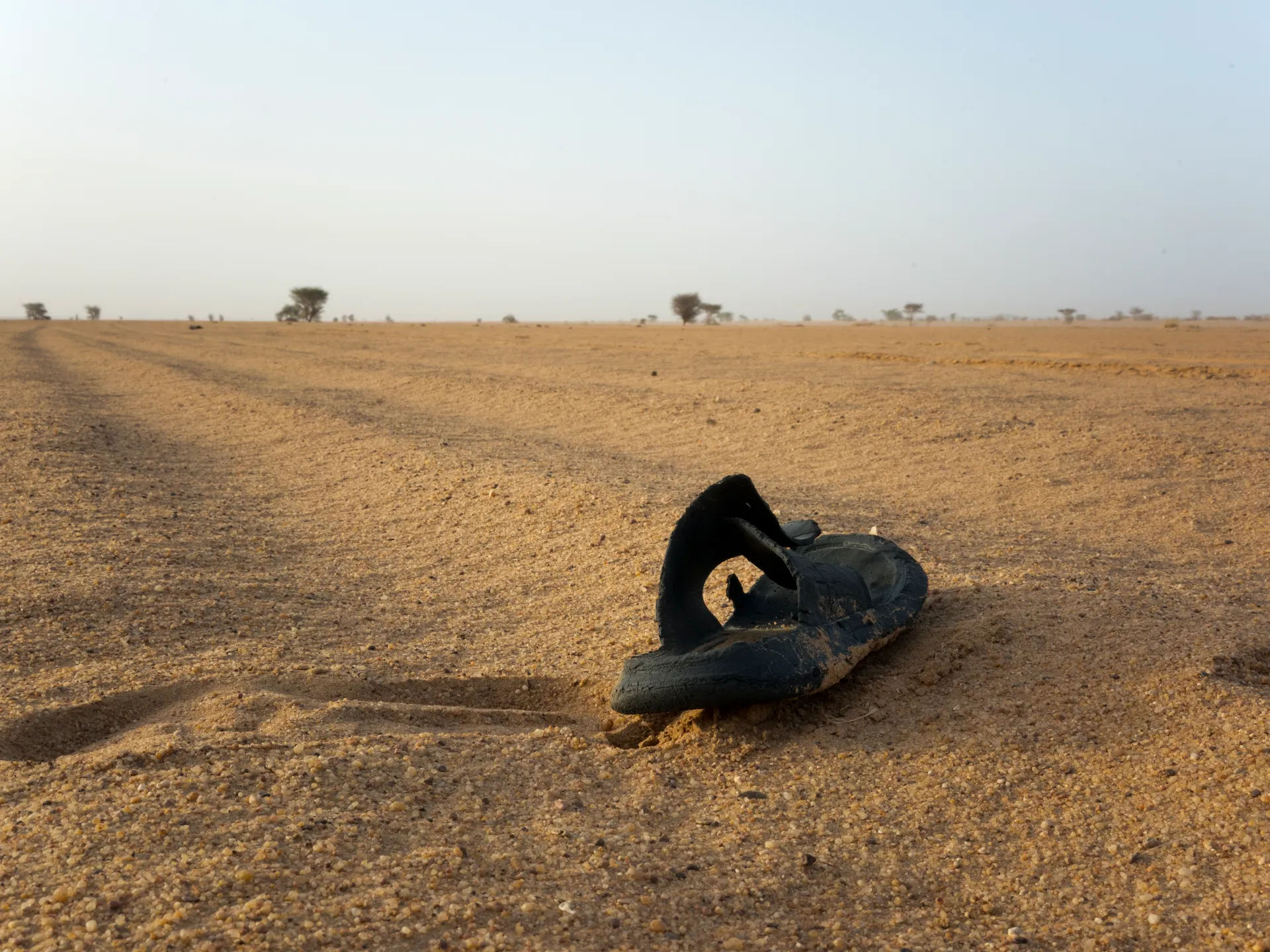
Nigerien authorities have confirmed that at least 49 people died of thirst in a remote district of the Sahara desert in northern Niger. The deaths occurred after a truck carrying a group of passengers broke down, leaving them stranded in extreme heat without water for several days.
The victims were part of a group returning from the Malian town of Talhandek to Niger to celebrate Eid al-Adha. According to a statement released by the Agadez governorate on Friday, the vehicle had travelled for several days, covering approximately 300km from the Malian border, before failing in an area more than 80km west of Assamaka.
Efforts by the driver, his assistants, and passengers to repair the vehicle were unsuccessful. Deprived of water and trapped in a hostile environment with extreme temperatures and no nearby supply points, the group was unable to survive. The governorate reported that rescuers subsequently buried the victims in mass graves.
Two survivors managed to escape the immediate tragedy by walking more than 50km to a water source and then continuing on foot to Assamaka, where they alerted authorities. Assamaka serves as a main crossing point between Niger and Algeria and is located close to the Mali frontier.
A delegation led by Agadez Region Governor General Ibra Boulama Issa visited the scene and described the findings as particularly disturbing. The governorate noted that dozens of lifeless bodies were found under the immobile truck and in its surroundings. The exact cause of the breakdown and the total number of people on board remain unclear, though the death toll stands at 49.
The desert zone is a known transit point for refugees and migrants attempting to travel from African nations to Europe, with many previously dying from thirst or starvation in the scorching sands.