NHS outsourcing costs hit record £241m as radiologists warn of quality risks
Spending on private scan analysis has tripled since 2018, with department heads raising serious concerns about report integrity and long-term sustainability.
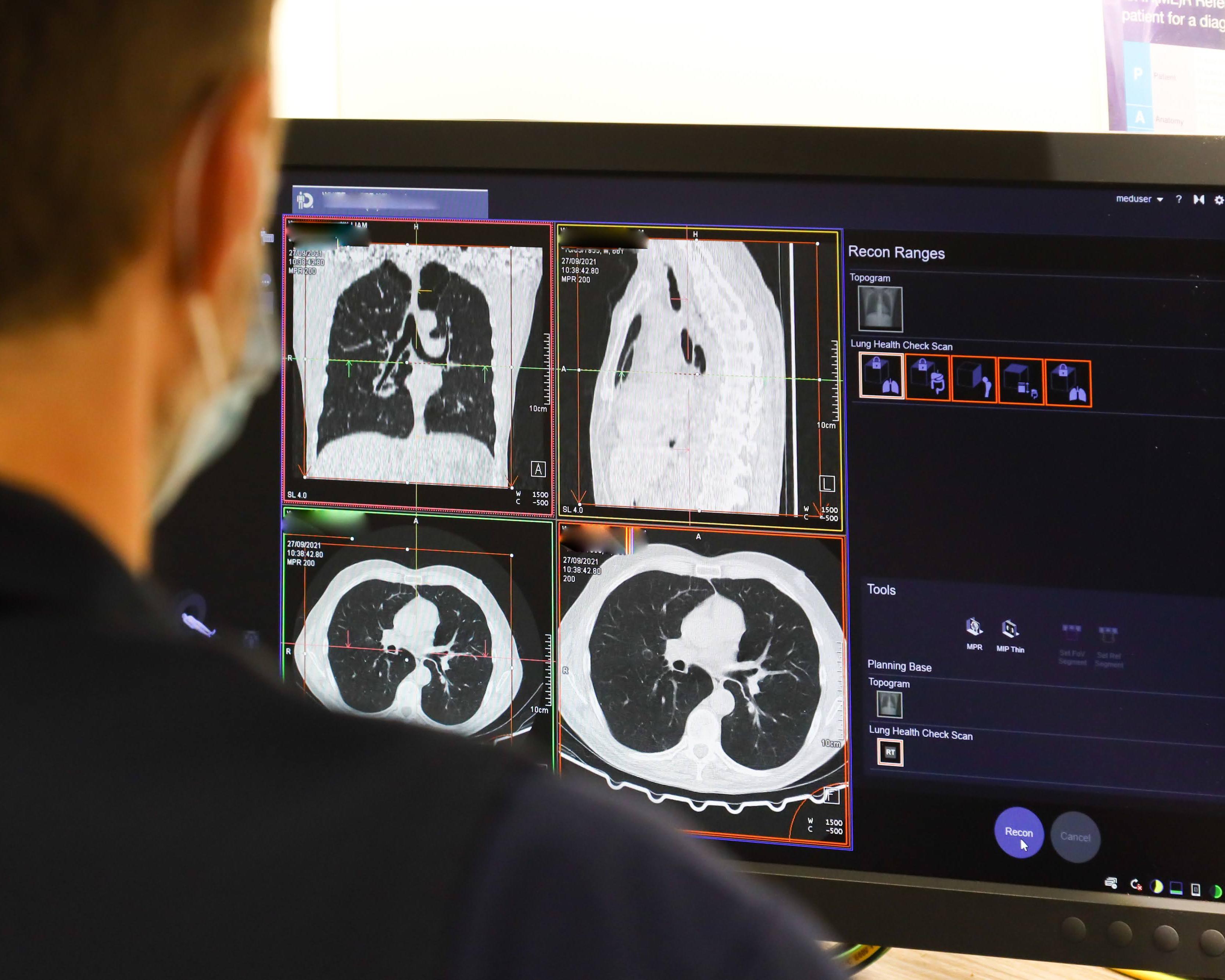
The National Health Service spent a record £241m in 2025 outsourcing the interpretation of CT and MRI scans to private firms, a figure that represents a 12 per cent increase from the previous year and a tripling of costs since 2018. The Royal College of Radiologists (RCR) presented these findings in its annual workforce census, warning that the spiralling expenditure reflects a systemic failure to train sufficient numbers of doctors and leaves the health service vulnerable to unsustainable financial and clinical pressures.
The surge in outsourcing spending, which doubled from £120m in 2021, has been driven by severe staffing shortages that have left hospitals unable to process diagnostic volumes internally. Dr Stephen Harden, president of the RCR, described the situation as the NHS “haemorrhaging” cash to independent providers. While outsourcing has provided a short-term mechanism to manage diagnostic backlogs, Harden cautioned that it cannot serve as a long-term solution to workforce deficits, urging ministers to create more training roles to address the immediate shortage.
Concerns regarding the integrity of outsourced work are widespread within the profession. Eighty-six per cent of NHS radiology department heads expressed serious concerns that privatisation leads to lower-quality reports, while 90 per cent stated that NHS radiologists must double-check the outputs of private firms. The RCR noted that poor quality in some private reports has necessitated re-reading by NHS staff, raising fundamental questions about the clinical and financial benefit of the current outsourcing model.
The Centre for Health and the Public Interest thinktank has warned that the NHS risks becoming permanently reliant on private teleradiology companies. David Rowland, the thinktank’s director, argued that history shows such roles rarely return to the public sector once handed over. He warned that this shift removes revenue from NHS hospitals and eliminates opportunities to train the next generation of staff, potentially leaving the health service wholly dependent on private entities focused on commercial returns.
In response to the growing pressure, the Department of Health and Social Care (DHSC) acknowledged the strain on radiology services and highlighted that 30 million diagnostic tests were carried out in the last year. The department noted that 95,000 more patients were diagnosed with cancer or given an all-clear within 28 days compared to the previous 12 months. However, it pointed to a forthcoming 10-year workforce plan as the primary mechanism to address staffing needs and ensure the right skills are available to care for patients.