NFL players cite World Cup precedent in push for natural grass transition
With half the league’s stadiums still utilising synthetic surfaces, players contend that the logistical success of the 2026 FIFA World Cup demonstrates that a league-wide switch to natural grass is both feasible and necessary for injury reduction.
NFL stars, led by San Francisco 49ers tight end George Kittle, are intensifying their campaign for a league-wide transition from artificial turf to natural grass. The movement, which has gained significant traction following the 2026 FIFA World Cup in the United States, argues that the successful use of natural surfaces at major venues provides a clear blueprint for the NFL to follow.
Kittle, who attended the World Cup final between Spain and Argentina, publicly highlighted the pristine condition of grass fields at stadiums such as MetLife Stadium and SoFi Stadium. He suggested that the logistical hurdles of maintaining natural grass are surmountable, stating that the league could play on grass year-round if owners prioritised the change. Kittle estimates that approximately 90 per cent of players would prefer natural surfaces if given the option, a sentiment that has galvanised the broader player base.
The NFL Players Association (NFLPA) has elevated the issue to a primary priority, with executive director JC Tretter embracing the cause upon assuming leadership. The union has utilised the hashtag #WorthTheCost to urge league stakeholders to invest in player safety, arguing that the financial and logistical costs of conversion are justified by the reduction in injury rates. The NFLPA has been calling for full adoption of natural surfaces for three years, with Tretter previously citing injury data that showed a 28 per cent higher rate of non-contact lower-extremity injuries on turf compared to grass between 2012 and 2018.
Specific data indicates that artificial turf contributes to 32 per cent more non-contact knee injuries and 69 per cent more foot and ankle injuries over that seven-year span. Tretter, who served as NFLPA president during the release of this data, noted that the physical difference in surface give between grass and turf results in greater force on players' legs when using synthetic materials. This statistical evidence forms the core of the union’s argument for mandatory surface changes.
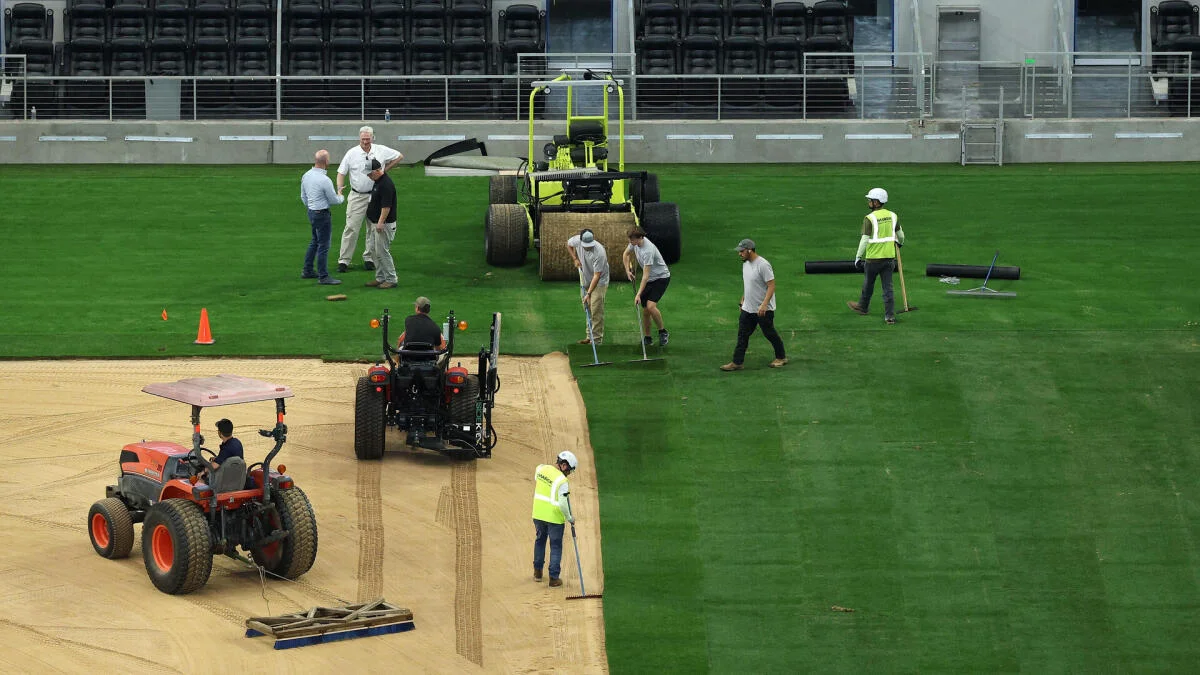
The logistical process for converting stadiums is resource-intensive, as demonstrated by the preparation at MetLife Stadium. The conversion required the removal of AstroTurf, the installation of 20 truckloads of Tahoma 31 bermudagrass, two feet of sand, an irrigation system, and vacuum ventilation. The grass itself was grown for approximately 10 months at Carolina Green Turf Farm in North Carolina before installation. Despite the complexity, indoor venues such as AT&T Stadium, NRG Stadium, and Mercedes-Benz Stadium successfully hosted World Cup matches on natural grass without playability issues, challenging assumptions about the viability of grass in controlled environments.
Exactly half of the NFL’s stadiums currently use artificial turf, while the other half utilise natural grass. MetLife Stadium, which hosted eight World Cup matches on its new grass field, has faced scrutiny regarding player injuries while using AstroTurf over the previous six years. The NFL season, comprising 18 weeks plus playoffs, presents significant maintenance challenges due to weather and wear, yet players argue that the league’s resources are sufficient to manage the transition.