NFL expands replay powers and changes discipline rules for 2026 season
The NFL’s 2026 rule changes give replay officials limited authority to impose penalties, introduce new suspension thresholds and revise kickoffs, challenges and onside kicks.
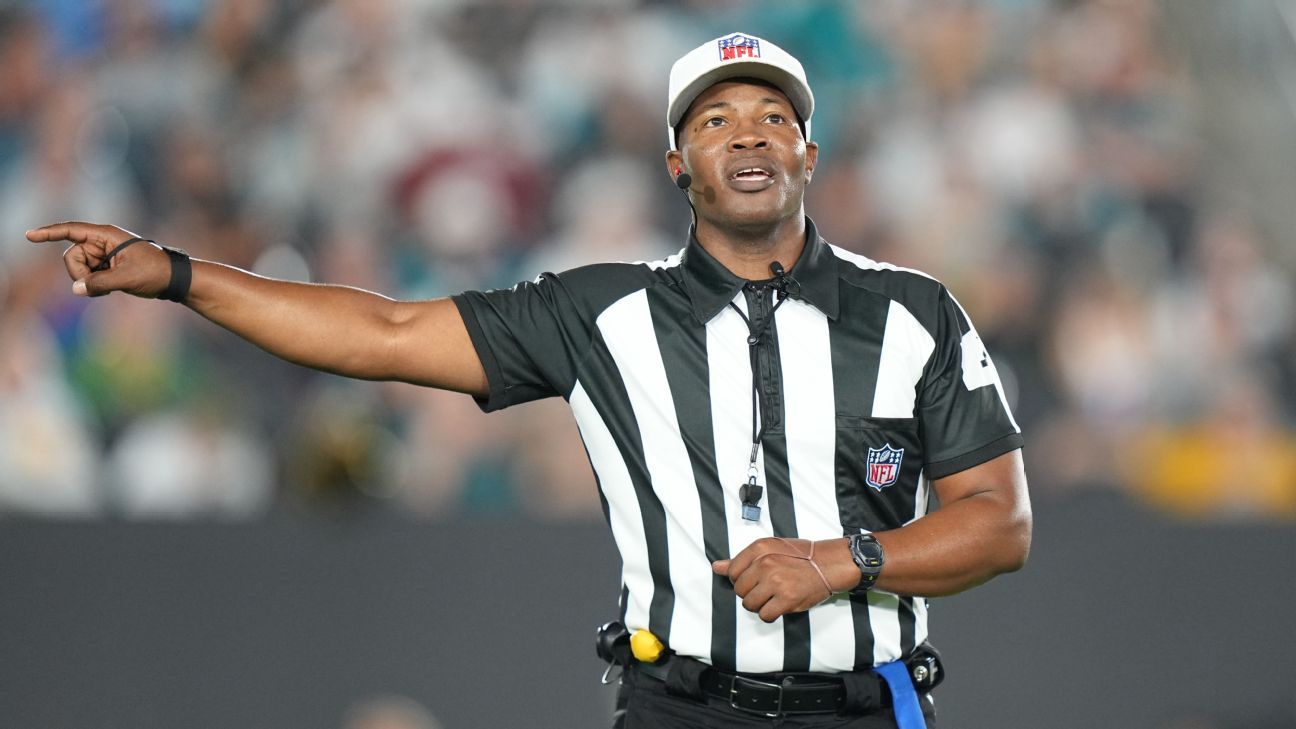
The NFL has introduced a series of rules and officiating changes for the 2026 season, shifting some authority towards replay officials while altering how player discipline, kickoffs and coach challenges are handled.
Under the new rules, replay officials may direct that a penalty be enforced and disqualify a player for a flagrant football or non-football act, even when an on-field official has not thrown a flag. The authority is limited to flagrant acts and represents an expansion of the replay role.
The NFL and NFL Players Association have also agreed to new consequences for four safety-related fouls: hip-drop tackles, horse-collar tackles, launching into defenseless players and blindside blocks. A player penalised three times for any of those fouls, or fined for them after a postgame review, will receive a one-game suspension.
The discipline system includes partial or full refunds for some first-offence fines, subject to eligibility conditions. A one-time offence involving one of the four specified fouls may attract a 50 per cent refund, while some other penalties may qualify for a full refund. Players with multiple fouls from different categories will be eligible for only one first-offence refund.
Kickoff formations and touchback placement have also been revised following changes introduced in 2024. The minimum number of receiving-team players required on the restraining line has been reduced from six to five, while the setup zone has new limits and alignment guidelines. A kickoff from the 50-yard line that results in a touchback will now be placed at the 20-yard line.
Head coaches may designate a sideline staff member to throw a challenge flag, provided the alternate is identified before the game. Teams retain at least two challenges and receive a third if either of the first two succeeds. Separately, teams may declare an onside kick at any point, whether ahead, level or behind.