NFC franchises chart 2026 strategic directions amid roster overhauls
From Philadelphia’s bold personnel shifts to Carolina’s financial commitment, CBS Sports outlines the core identities each National Football Conference team has adopted for the 2026 season.
CBS Sports has published a comprehensive analysis of the 2026 National Football Conference (NFC) offseason, detailing the primary strategic focus and key acquisitions for each franchise. The report categorises each team’s biggest improvement with a single descriptor, such as 'big' for the Carolina Panthers and 'bold' for the Philadelphia Eagles, highlighting how front offices are attempting to bridge the gap between their current roster construction and their desired competitive identity.
The Dallas Cowboys prioritised defensive balance after finishing 30th in total defense last season. To address this structural imbalance, the team focused almost exclusively on defensive upgrades, selecting Downs 11th overall and adding free agent Jalen Thompson. The Cowboys also bolstered their front seven with first-round pick Malachi Lawrence, trade acquisition Rashan Gary, and linebacker Dee Winters, aiming to create a more cohesive unit capable of handling both the run and the pass.
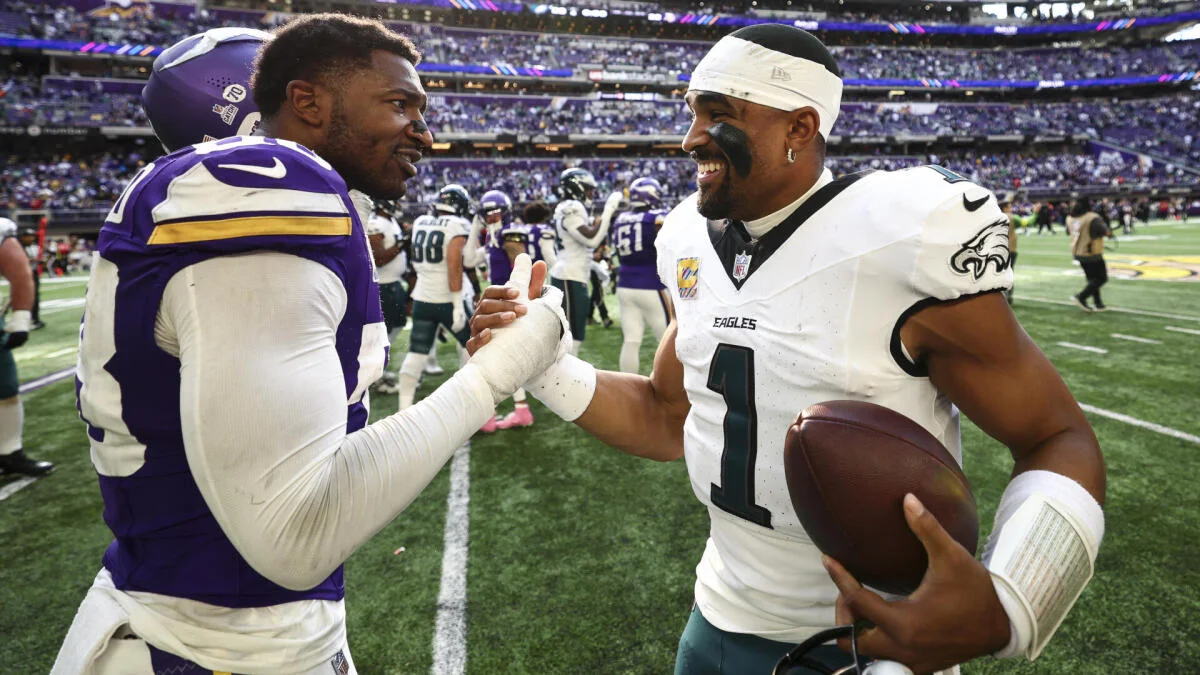
In Philadelphia, general manager Howie Roseman executed bold moves, trading up to acquire wide receiver Makai Lemon from the Pittsburgh Steelers. The Eagles also signed EDGE Jonathan Greenard and gave him a four-year extension, while adding receiving tight end Eli Stowers and cornerback Riq Woolen. In a significant coaching change, the team appointed Sean Mannion as offensive coordinator, introducing a system featuring under-center play action that differs from previous schemes used by quarterback Jalen Hurts.
The Carolina Panthers made headlines with a substantial financial investment in edge rusher Jaelan Phillips, signing him to a four-year, $120 million contract. The organisation also targeted linebacker Devin Lloyd and focused on drafting physically large players, including tackle Monroe Freeling and defensive tackle Lee Hunter. This approach signals a shift from incremental building to immediate competition, with the aim of securing the NFC South title.
Other franchises adopted distinct strategies to address specific vulnerabilities. The Minnesota Vikings and Atlanta Falcons prioritised quarterback upgrades, with Minnesota acquiring a new starter and Atlanta introducing a new leadership trio of coach Kevin Stefanski, GM Ian Cunningham, and president of football Matt Ryan. Meanwhile, the Los Angeles Rams and San Francisco 49ers focused on strengthening their rosters for championship contention, with the Rams acquiring Trent McDuffie and the 49ers adding depth to address roster holes exposed during their previous playoff run.
The New York Giants laid a foundation for future success by adding athletic talent like Arvell Reese and veteran presence such as Tremaine Edmunds and Isaiah Likely. The Chicago Bears worked around financial hurdles to make smart improvements, while the Detroit Lions emphasised physicality by adding Cade Mays and drafting Miller. The Green Bay Packers bet on internal improvements and the return of injured stars Micah Parsons and Devonte Wyatt, while the Washington Commanders added speed across all defensive levels.
The New Orleans Saints maintained a measured approach, avoiding major free-agent swings in favour of steady additions like David Edwards and Travis Etienne Jr. The Tampa Bay Buccaneers replaced franchise legends with resourceful signings like Alex Anzalone and drafted Rueben Bain Jr., while the Arizona Cardinals entered an early stage of rebuilding with a focus on young talent. The Seattle Seahawks trusted their previous formula by retaining key holdovers and drafting players who fit their existing system.