New Zealand Football withdraws support for Infantino ahead of 2027 election
New Zealand joins England, Wales, and the Republic of Ireland in opposing the FIFA president, while CAF and CONMEBOL continue to back him.
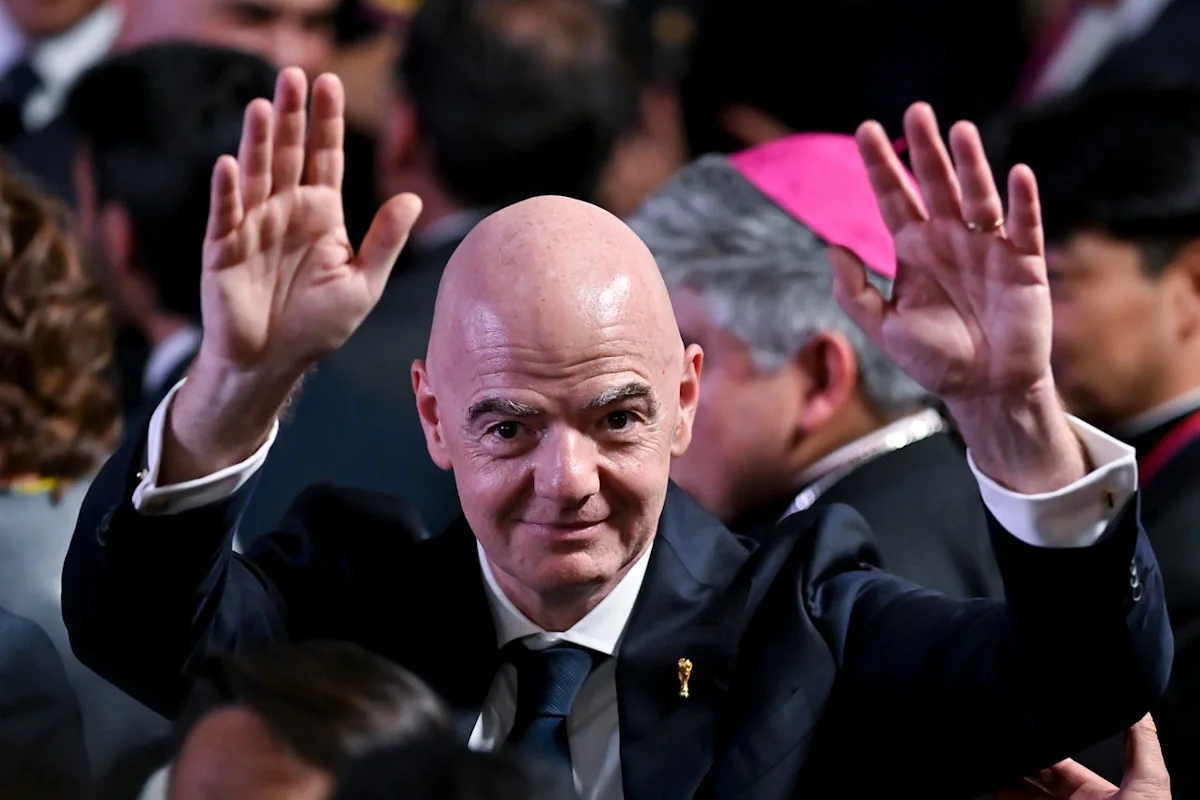
New Zealand Football has formally withdrawn its support for FIFA President Gianni Infantino ahead of his re-election bid at the 2027 FIFA Congress. The decision marks a significant departure from the position of the wider Oceania Football Confederation (OFC), with New Zealand becoming the only member of the regional body to oppose the incumbent president.
The national governing body cited a breakdown in trust and increased division within international football as primary reasons for the withdrawal. This shift follows Infantino’s aborted plan to sell a stake in the World Cup to private investors, a proposal that was scrapped after facing widespread rejection from major football confederations.
In a statement, New Zealand Football confirmed it would not back Infantino and announced it is seeking an independent review of the steps undertaken to develop the FIFA Forward Enterprise (FFE) scheme. The federation argued that recent decisions and actions within FIFA have eroded confidence, necessitating stronger governance, accountability, and transparency to restore trust in the global game.
The move aligns New Zealand with other dissenting voices, including England, Wales, and the Republic of Ireland, as well as continental bodies such as UEFA, CONCACAF, and the Asian Football Confederation (AFC), which have all withdrawn their support. Conversely, the Confederation of African Football (CAF) and South American governing body CONMEBOL continue to back Infantino for a fourth presidential term.
While the OFC Executive Committee welcomed the scrapping of the FFE proposal, it stopped short of condemning Infantino’s leadership, recognising progress in football development in Oceania over the last decade. The federation encouraged FIFA to use the review process as an opportunity to implement necessary changes, maintaining a more measured stance than New Zealand’s formal withdrawal of support.