New York Times probes links between hybrid warfare tactics and anti-Semitic violence in Europe
While British media focuses on the aftermath of a knife attack in London's Golders Green, The New York Times reports on a broader inquiry into whether state-sponsored methods are being used to orchestrate recent assaults on Jewish communities.
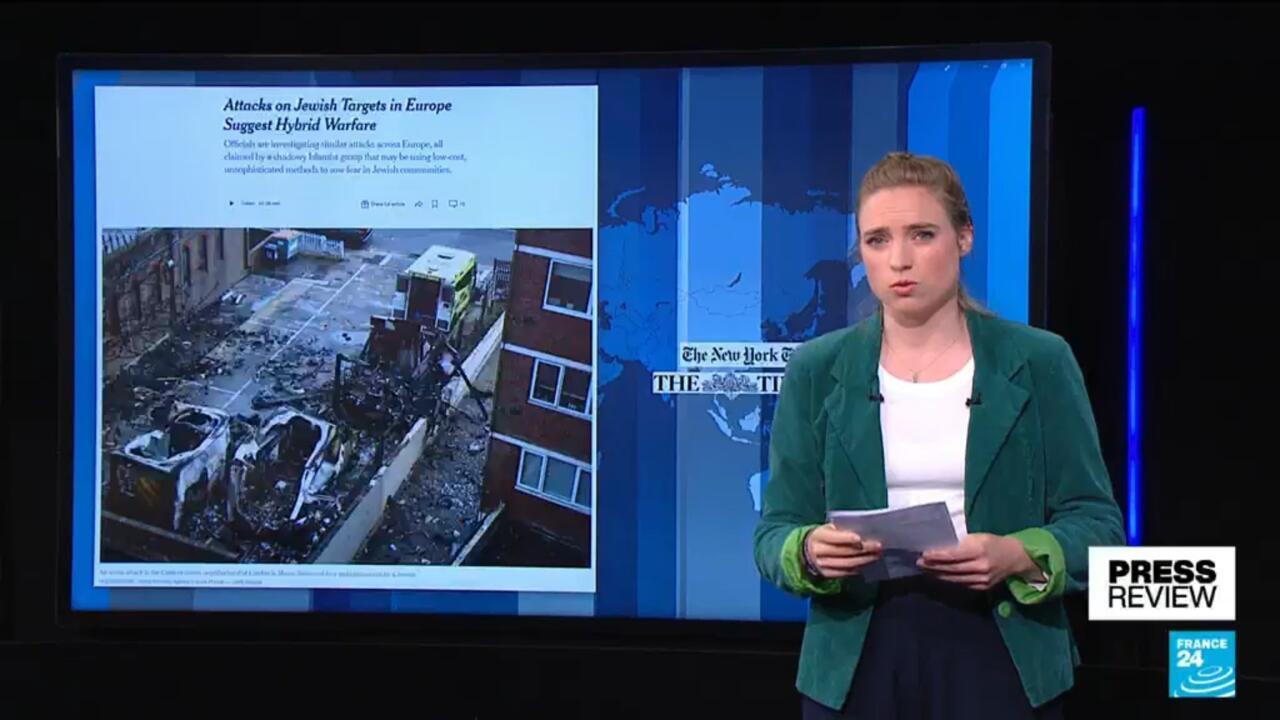
The New York Times has launched an investigation examining whether hybrid warfare methods are being employed to orchestrate recent anti-Semitic attacks targeting Jewish communities across Europe. The report questions the extent of state involvement, specifically exploring if Iran or Russia is behind the coordination of these incidents, though the findings remain under analysis.
According to the inquiry, many of the perpetrators involved in these recent assaults were unaffiliated teenagers who were recruited through social media platforms such as Snapchat and Telegram. These individuals were allegedly promised quick cash in exchange for carrying out the attacks, suggesting a method of mobilisation that bypasses traditional ideological affiliations.
The investigation draws significant parallels between these domestic incidents and Russia's hybrid warfare activities in Poland. This connection has prompted a Polish general to urge NATO to address the situation more seriously, highlighting concerns over the transnational nature of the threat and the potential for state actors to exploit local grievances.
Concurrently, British media outlets are continuing to report on the aftermath of a knife attack in London's Golders Green neighbourhood. Coverage from The Guardian and The Daily Mirror features Prime Minister Keir Starmer meeting with local Jewish security organisations, while The Telegraph highlights the protesters who were waiting for his arrival. The Daily Mail has specifically questioned why the suspect was able to roam the streets with a weapon.
The New York Times article notes that the specific extent to which Iran is directly orchestrating these attacks versus the role of Russia or unaffiliated actors remains under investigation. The headline poses the question of whether Iran's hybrid warfare is behind the events rather than stating a confirmed fact, reflecting the ongoing nature of the probe.
While the focus in London remains on the immediate security implications of the Golders Green incident, the broader inquiry into European attacks suggests a complex interplay between local criminality and potential state-sponsored hybrid tactics. The recruitment of teenagers via messaging apps presents a new vector for such operations, challenging traditional models of conflict and security.