New York Mayor Consults Legal Team on Potential Netanyahu Arrest Ahead of UN Visit
City officials review jurisdictional limits while political tensions within the Democratic party intensify over US aid to Israel.
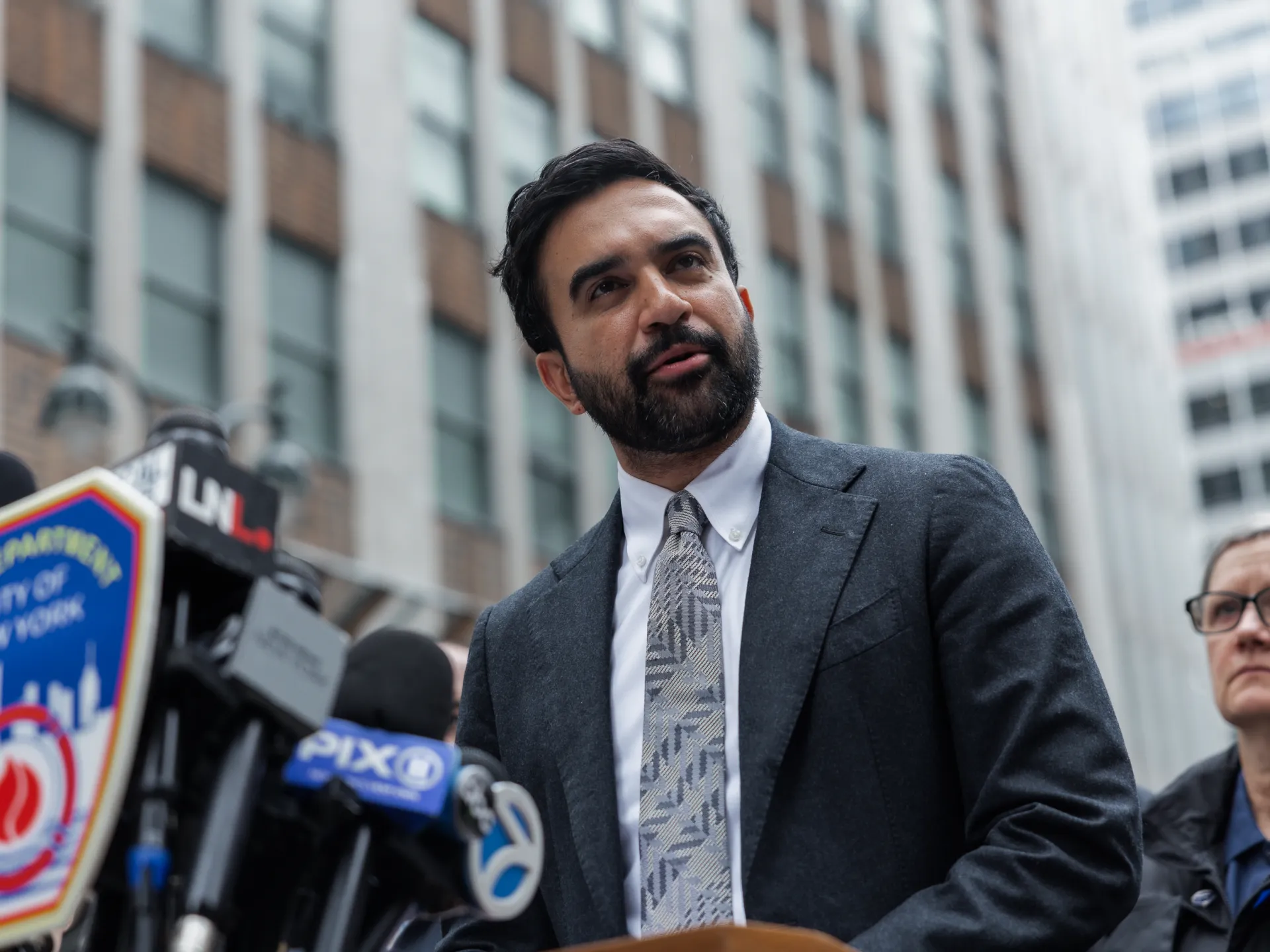
New York City Mayor Zohran Mamdani has initiated consultations with the city’s law department regarding the potential arrest of Israeli Prime Minister Benjamin Netanyahu, should the leader travel to New York for the United Nations General Assembly in September. Mamdani, who previously pledged to detain Netanyahu during his mayoral campaign, stated he is in “active conversation” with legal advisers to determine the extent of his authority under existing statutes.
In an interview with The New York Times program The Interview, released on Saturday, Mamdani reiterated his position that Netanyahu is subject to an International Criminal Court arrest warrant for alleged crimes against humanity in Gaza. “I believe that Prime Minister Netanyahu belongs in the Hague,” Mamdani said, describing the Israeli leader as a “war criminal.” He affirmed that the city would act within the bounds of current law but would not “write our own laws to that end.”
Israeli officials have confirmed Netanyahu’s intention to attend the General Assembly despite the threats. UN Ambassador Danny Danon insisted the Prime Minister would be present in New York this September. In response to the arrest proposal, Netanyahu told radio personality Sid Rosenberg that he believes Mamdani secretly “hates America.” Rosenberg had previously apologised for referring to the mayor as a “cockroach” during a prior exchange.
The mayor’s stance reflects a significant shift in Democratic voter sentiment regarding US foreign policy. A poll conducted in May indicated that nearly three-quarters of Democratic voters oppose US aid to Israel, a substantial increase from 45 percent three years ago. Nearly half of those surveyed expressed concern that their party remains too supportive of Israel, whose military actions in Gaza have been described as genocide by various human rights organisations and scholars.
This political realignment is evident in recent legislative movements. Nearly half of Democratic members of the US House of Representatives voted earlier this week to end US aid to Israel, a move commentators note would have been unthinkable just several years ago. While the party leadership has yet to enact concrete policy changes, the growing internal pressure signals a departure from longstanding bipartisan support for Israeli military assistance.