New York Assembly to review sexual-assault laws after Cornell lawsuit
A new working group will develop recommendations for the 2027 legislative session as lawmakers consider changes to intoxication rules, civil-case evidence protections and safeguards for people reporting misconduct.
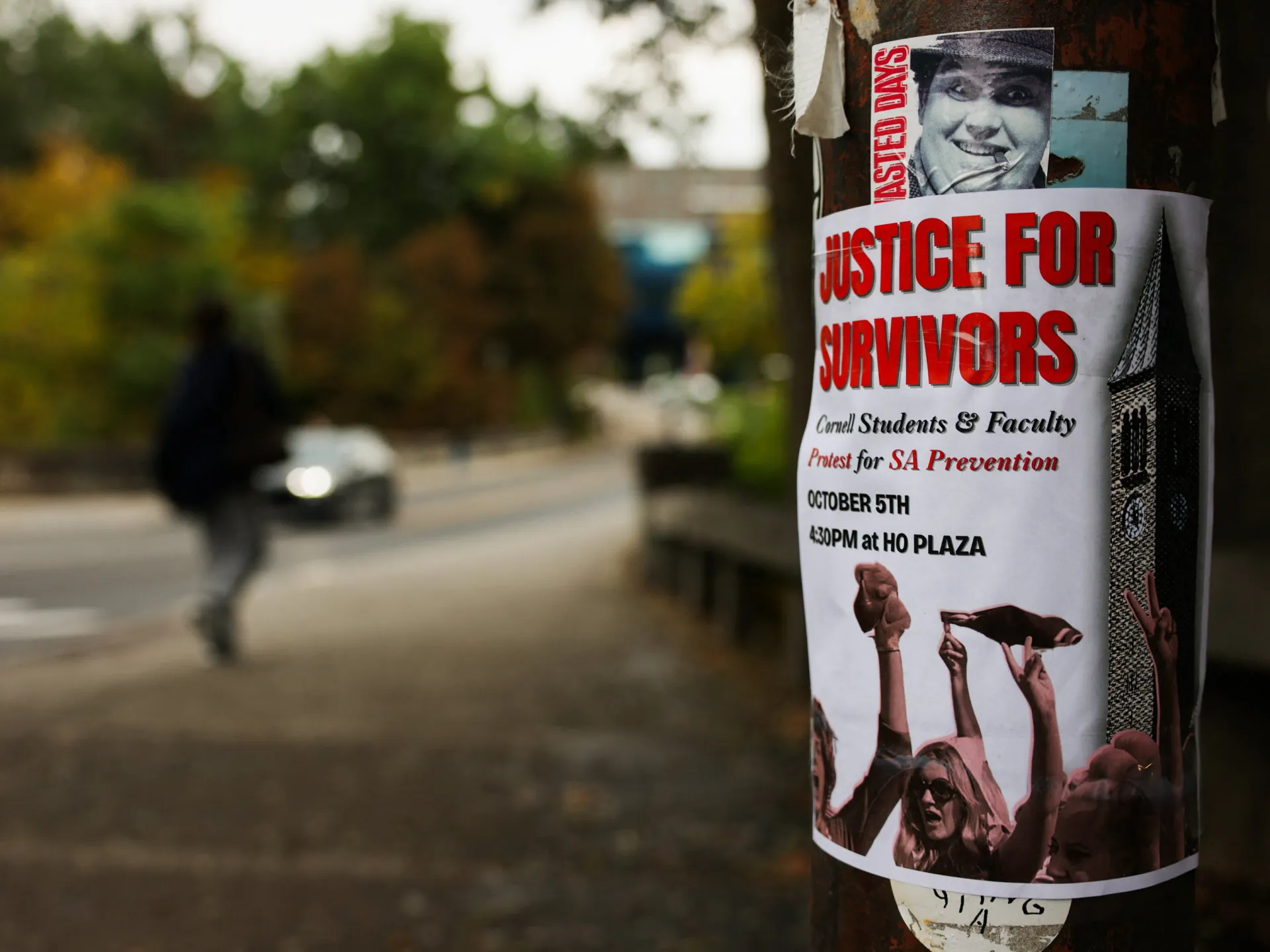
New York’s Assembly has formed a working group to review sexual-assault laws, with recommendations due for the 2027 legislative session. The move follows a civil lawsuit over allegations involving Cornell University, the Chi Phi fraternity and seven fraternity members. The allegations have not been established in court.
The lawsuit, filed by a woman identified as Jane Doe, alleges she was pressured to consume alcohol and ketamine before an assault on 19 October 2024. The case has renewed debate over a state law that does not treat voluntary intoxication as mental incapacitation in sexual-assault cases, a distinction that can complicate prosecution.
Governor Kathy Hochul said on Friday she would work with lawmakers on the intoxication rule. The state Senate unanimously passed a bill on the issue in June, but it has not been taken up by the Assembly. The Tompkins County district attorney initially declined to bring charges in the Cornell matter, citing the law; the investigation was later reopened.
Lawmakers are also considering whether rape-shield protections, which limit the use of a complainant’s sexual history and conduct in criminal proceedings, should extend to civil cases. A Senate bill to do so passed in June and is before the Assembly Judiciary Committee.
A separate proposal, the Speak Your Truth Act, would provide certain legal protections for people who report sexual assault, harassment or discrimination, including protections against some defamation claims. The bill remains in an Assembly committee. The working group’s recommendations and the fate of the proposals are not yet known.